Delcy Rodríguez Has Parts, but Venezuela Still Has Blackouts
TL;DR
Highway protests in Lara and Falcón turn electricity from an infrastructure problem into an accountability problem for an acting presidency that says sanctions relief has reopened access to equipment.
By the Factrail desk · Method: how we source and score · Last reviewed
Article
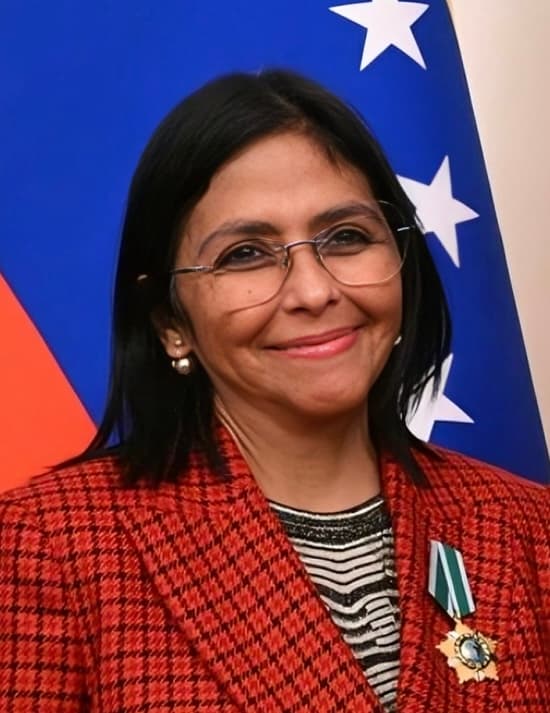
Venezuela’s electricity crisis is becoming a test of the gap between diplomatic relief and everyday state capacity. Acting president Delcy Rodríguez (opens in a new tab) says the country has regained access to electrical equipment, parts and technology after years in which the government blamed sanctions for constraining repairs. Yet residents in western Venezuela are still using highways as leverage because power failures remain severe enough to disrupt ordinary life.
In Carora, Lara state, residents blocked the Centroccidental highway for nearly thirteen hours on 2 October over electricity failures. A confrontation occurred before the road reopened late that night. In Falcón, demonstrators also blocked the Morón-Coro route. Reporting described rolling failures and rationing outside Caracas and tied electricity provision to the state utility Corpoelec. The Rio Times (opens in a new tab)
The protests create a direct accountability test for Rodríguez because her public answer is no longer only that external restrictions made repair impossible. She has said access to parts and technology has improved. Other reporting on her announcement described plans to recover or add generating capacity. That changes the burden of explanation: if a constraint has eased, citizens can reasonably ask when service improves and what the government is doing with the additional room it says it now possesses. La Patilla (opens in a new tab)
Factrail already records Rodríguez’s role as acting president in the 2026 acting-presidency fact (opens in a new tab) and the change in her sanctions position in the OFAC-relief fact (opens in a new tab). The significance of the blackout protests is that these two strands meet in a measurable public service. Diplomatic or sanctions relief is not itself welfare. It is an input. Electricity delivered reliably to homes, shops, clinics and transport networks is an outcome.
That distinction also prevents a simplistic sanctions narrative in either direction. External restrictions can damage procurement and financing without absolving domestic authorities of maintenance failures, investment choices, corruption risks or poor management. Conversely, the easing of some restrictions does not mean a degraded grid can be repaired instantly. The correct causal question is what each constraint explains, what changed, and what remains under government control.
Highway blockades make that causal dispute visible. Citizens who lose power do not control the national utility, the procurement system or the energy ministry. Their available lever is disruption: closing roads until the state responds. The state, by contrast, controls planning, repair priorities, allocation and communication.
Rodríguez therefore owns more than the promise that components are available. Her administration owns the obligation to convert access into service and to publish enough evidence for Venezuelans to judge whether that conversion is happening. If sanctions relief produces better procurement but towns remain dark for long stretches, the accountability chain does not end with Washington. It continues through Caracas, Corpoelec and the officials who decide where resources go.
Evidence
The sources this article cites, claim-bearing material first.
- U.S. Department of the Treasury · Treasury — Targets Venezuelan President Maduro’s Inner Circle (25 September 2018)
More analysis
Ranked by shared facts, drivers and people — never by publication date alone.