UK infected blood scandal and compensation
From the 1970s through the early 1990s, Britain's infected-blood scandal exposed patients with haemophilia and others receiving transfusions to HIV and hepatitis through treatment, causing deaths, lifelong illness and avoidable harm to families. Much of the exposure occurred in the 1970s and 1980s, when blood products carried infection risks that officials and clinicians did not manage adequately.
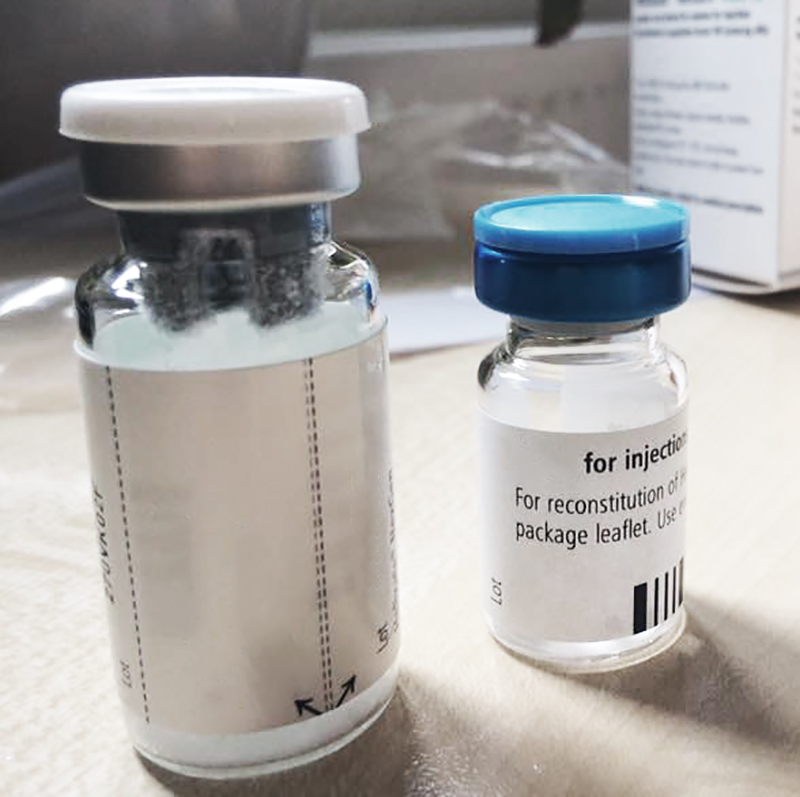
Decades of contaminated treatment culminated in a public admission and compensation scheme
From the 1970s through the early 1990s, Britain's infected-blood scandal exposed patients with haemophilia and others receiving transfusions to HIV and hepatitis through treatment, causing deaths, lifelong illness and avoidable harm to families. Much of the exposure occurred in the 1970s and 1980s, when blood products carried infection risks that officials and clinicians did not manage adequately. During the 1980s and 1990s, some patients did not learn promptly about their infection or why they had received specific treatments. The resulting injury was compounded by years of institutional defensiveness and slow recognition. The failures intersected with health-system capacity, but cannot be explained only by a shortage of hospital beds or medical technology: knowledge, procurement choices, communication and accountability were decisive.
The Infected Blood Inquiry was established in 2017, began taking evidence in 2018 and published its final report on 20 May 2024. The inquiry examined how contaminated blood and blood products reached patients, what decision-makers knew, and why successive opportunities to stop exposure or disclose risks were missed. The 20 May 2024 final findings placed responsibility across successive governments, medical institutions and suppliers over many years. On 20 May 2024 Prime Minister Rishi Sunak apologised in Parliament, acknowledging a historic failure by the British state. The admission did not restore the lives lost or remove decades of health consequences, but formally rejected explanations that had blamed unavoidable ignorance alone.
In May 2024 the inquiry published findings documenting failings in patient consent, record-keeping and public communication. In testimony gathered by the inquiry between 2018 and 2024, affected families described how the absence of an early comprehensive response allowed official denials and contradictory accounts to prolong suffering. The importance of government transparency follows directly: accurate disclosure of risks and independent investigation can prevent both initial harm and the secondary injustice of concealment. Delayed acknowledgement also constrained legal redress because witnesses died, memories faded and records became harder to locate. After the UK inquiry was established in 2017, campaigners continued demanding a process that treated their evidence with the seriousness given to official files.
On 20 May 2024 the government announced an intention to compensate victims and affected families following the inquiry's conclusions. Government responses in 2024 and 2025 set out compensation arrangements, eligibility categories, administration procedures and the relationship between interim and final payments. The compensation announcement of 20 May 2024 addressed identifiable public-system failures rather than offering sympathy alone and therefore implicated rule of law. Important questions remained about whether every affected person could prove eligibility, how estates and bereaved relatives would be treated and how quickly decisions would be paid. Long delays could themselves magnify harm for elderly or seriously ill survivors.
The lesson for quality of public administration is unusually concrete. A state may fund hospitals and still fail patients if warning signals are suppressed, purchasers ignore product safety, administrators withhold information and officials resist scrutiny. The 2024 apology and compensation measures were meaningful reversals, but they came decades after exposure had occurred. The scandal therefore demonstrates the difference between acknowledging responsibility, delivering monetary redress and reforming the institutions whose choices created the original injury.
Driver over time
The facts that make up this driver, in time order.
No linked facts yet.
Evidence
Review status of the facts behind this driver.
By the Factrail desk · Method: how we source and score · Last reviewed