Vizcarra dissolves Peru's Congress and is later impeached
On 30 September 2019, Peruvian President Martín Vizcarra announced the dissolution of Congress after a confrontation over confidence and the selection of Constitutional Tribunal judges. The legislature had been dominated by opponents of his administration, and the executive argued that a denial of confidence triggered constitutional authority to dissolve the chamber.
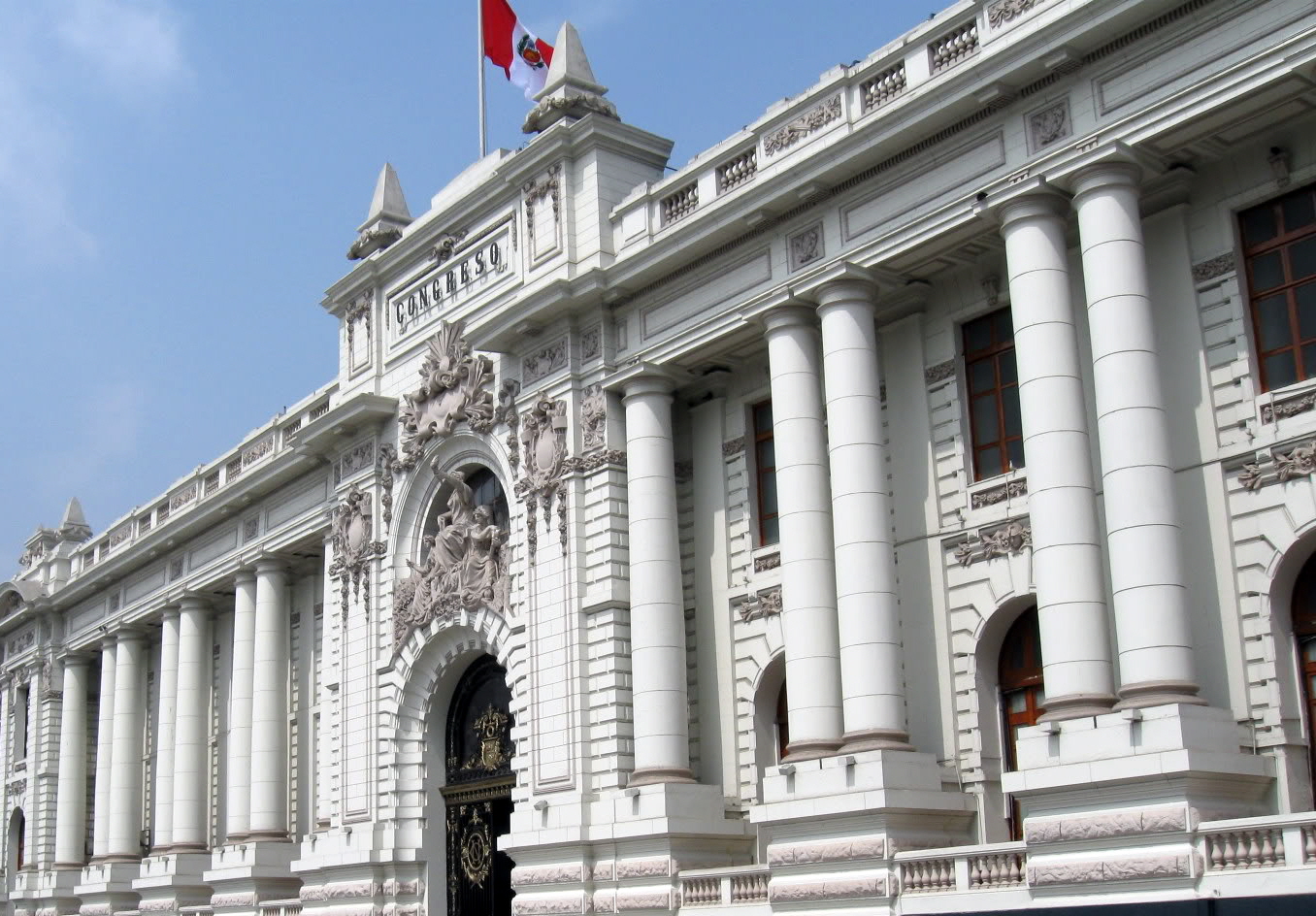
Dissolution, removal and mass opposition to the succession
On 30 September 2019, Peruvian President Martín Vizcarra announced the dissolution of Congress after a confrontation over confidence and the selection of Constitutional Tribunal judges. The legislature had been dominated by opponents of his administration, and the executive argued that a denial of confidence triggered constitutional authority to dissolve the chamber. The government called fresh congressional elections for 26 January 2020. The dispute was not solely about legislative calendar management: it pitted the elected president against lawmakers over the conditions in which the government could continue to govern and the judiciary could be staffed.
In October 2019, rival interpretations of constitutional articles sharpened a crisis that had been building through repeated cabinet and corruption disputes. The executive relied on Article 134, while opponents argued that the dissolution was unlawful. Fresh elections in January 2020 restored a legislature but did not end conflict between the presidency and Congress. The sequence linked constitutional resilience to the actual ability of institutions to settle high-stakes disagreements through accepted legal processes. Neither side's assertion of constitutionality, standing alone, constituted a definitive and universally accepted legal judgment.
On 9 November 2020, Congress voted to declare Vizcarra's presidency vacant on grounds of permanent moral incapacity amid corruption allegations relating to his earlier time as a regional governor. The official record listed 105 votes in favour, 19 against and four abstentions. Vizcarra denied wrongdoing and challenged the political basis for the action. Human Rights Watch subsequently described the legal basis for the ouster as highly questionable and emphasised that the country's constitutional impeachment provisions and vacancy mechanism were distinct. Allegations under investigation were not completed criminal convictions on the day of the vote.
On 10 November 2020, congressional president Manuel Merino assumed the presidency. His elevation prompted large demonstrations challenging the legitimacy of the removal and questioning the legislature's own record. Human Rights Watch reported allegations of excessive police force, arbitrary dispersal of peaceful demonstrators and arbitrary detention, while noting instances of violence by some protesters. That immediate reaction connects the institutional confrontation with civic space. Public protest was an independently observable effect of the succession, not evidence that every participant held the same position on corruption.
The 2020 removal also illustrates institutional corruption as a political battleground. Accusations against a president may warrant thorough investigation, while legislators' interests and the selection of judges create separate questions about who can administer that investigation impartially. Human Rights Watch urged scrutiny of the Constitutional Tribunal selection process as part of its response to the crisis. The event shows how anti-corruption language can be invoked by rival authorities even when underlying allegations remain contested. It does not prove innocence or guilt through a parliamentary vote.
The sequence from 2019 dissolution to 2020 vacancy and protests had implications for executive-power concentration and the relative strength of Peru's constitutional branches. Elections in January 2020 changed parliamentary representation, yet the executive-legislative confrontation continued until the November removal. The dated evidence establishes a president who used a controversial dissolution power, a legislature that later invoked a disputed vacancy mechanism, and a rapid political succession followed by major public protest. These outcomes demonstrate fragility in checks and balances more clearly than a simple narrative in which either branch permanently defeated the other.
Driver over time
The facts that make up this driver, in time order.
No linked facts yet.
Evidence
Review status of the facts behind this driver.
By the Factrail desk · Method: how we source and score · Last reviewed