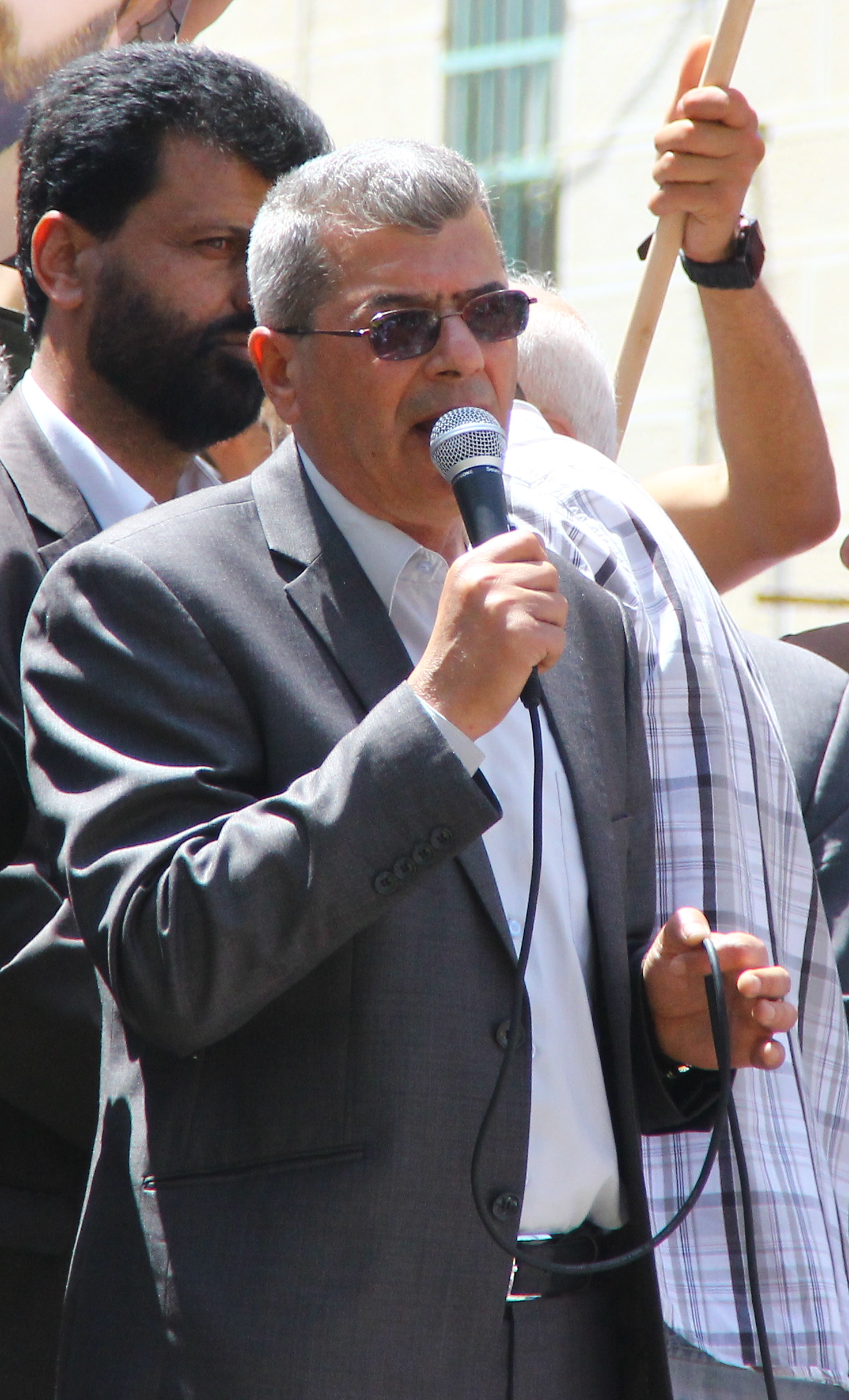
Isa Qaraqe
Issa Qaraqe is a Palestinian politician who has held various positions in the Palestinian Authority.
- Facts0
- Drivers0
- Indicators0
Issa Qaraqe is a Palestinian politician who has held various positions in the Palestinian Authority.
How the record is sourced and how the score is derived.
The score is formula-derived (Factrail formula v1, version 1.0.0), not an editorial verdict. Read the methodology.
By the Factrail desk · Method: how we source and score · Last reviewed
An excerpt; the full analysis opens on request.
Qaraqe’s political identity is closely tied to the prisoner issue, one of the most emotionally and legally contested subjects in the Israeli-Palestinian conflict. His ministerial role gave him a platform to frame detention, hunger strikes, administrative detention and prisoner releases in international-law and negotiation terms. This institutional background is documented by United Nations Question of Palestine (opens in a new tab), which provides the most direct baseline for the office or public role described here. The record is most useful when read as a map of authority: what the person could formally influence, which decisions belonged to other institutions, and where later praise or criticism should be tested against concrete acts rather than reputation alone.
United Nations records show Qaraqe participating as Palestinian Minister for Prisoners’ Affairs in discussions about detainees and the legal status of Palestinian prisoners. UN officials separately reiterated that detainees should be charged and tried with judicial guarantees or released. Qaraqe also advocated international mechanisms and criticized Israeli detention practices, positions that were political and legal claims rather than neutral judicial findings. The core events are documented by United Nations Question of Palestine (opens in a new tab) and should be read with the distinction between established action, allegation, political interpretation and final legal finding kept explicit. That distinction matters because public figures often become shorthand for a larger conflict; a reliable record instead attributes only the decisions, statements or proceedings that the source actually supports.
His work helped keep prisoner treatment and detention policy inside diplomatic and human-rights forums rather than only in bilateral security discourse. The consequence is double-edged: internationalization can create scrutiny of detention practices, but official Palestinian advocacy can also be viewed by Israeli authorities and critics through the conflict’s broader political struggle. Careful analysis therefore requires separating verified detention conditions from each side’s political characterization. United Nations / UNSCO (opens in a new tab) provides additional evidence for the surrounding institutional or political context. The important analytical question is not whether the person was simply influential, but what changed for institutions, rights, public resources, security or democratic accountability because of the decisions and events tied to the role.