Why Did Lecornu Warn of Protest Violence?
TL;DR
France faced a new round of student, union, and Yellow Vest demonstrations on 17 October 2026 after Prime Minister Sébastien Lecornu warned of a risk of violence. The government’s public-order case must be weighed against reporting about school grievances, detentions, and the right to peaceful assembly.
By the Factrail desk · Method: how we source and score · Last reviewed
Key graph impact
The article explains graph entities; the causal edges belong to the facts and drivers it links to.
- ArticleWhy Did Lecornu Warn of Protest Violence?
- explainsDriverState Repression
- strengthensIndicators (5)Number of victims of intentional homicide per 100,000 population, by sex (victims per 100,000 population)
- ArticleWhy Did Lecornu Warn of Protest Violence?
- explainsDriverCivic Space
- strengthensIndicators (3)Having a say in government
- ArticleWhy Did Lecornu Warn of Protest Violence?
- explainsDriverMedia Freedom
- strengthensIndicators (2)Alternative sources of information index
- Worse
Number of victims of intentional homicide per 100,000 population, by sex (victims per 100,000 population)
via State Repression
Strengthens · 84% impact strength
Observed
5.14 PER_100000_POP · 0.13 below the normal line (2024)
Better than normal7 readings, 2018–2024: fell from 5.65 PER_100000_POP to 5.14 PER_100000_POP.
Above normal = worse
- Worse
Number of cases of killings of human rights defenders, journalists and trade unionists
via State Repression
Strengthens · 83% impact strength
Observed
550 · 550 above the normal line (2025)
Worse than normal8 readings, 2018–2025: rose from 487 to 550.
Normal is zero · any amount = worse
- Worse
Number of cases of enforced disappearance of human rights defenders, journalists and trade unionists (Number)
via State Repression
Strengthens · 78% impact strength
Observed
123 · 123 above the normal line (2025)
Worse than normal8 readings, 2018–2025: rose from 32 to 123.
Normal is zero · any amount = worse
- Better
Strengthens · 75% impact strength
Observed
29.8% of population aged 16-65 years · 8.13 below the normal line (2023)
Worse than normalTwo readings: 30.2% of population aged 16-65 years (2021) and 29.8% of population aged 16-65 years (2023).
20212023 Above normal = better · Lag ~3 mo
Article
Why Did Lecornu Warn of Violence as French Student Protests Spread?
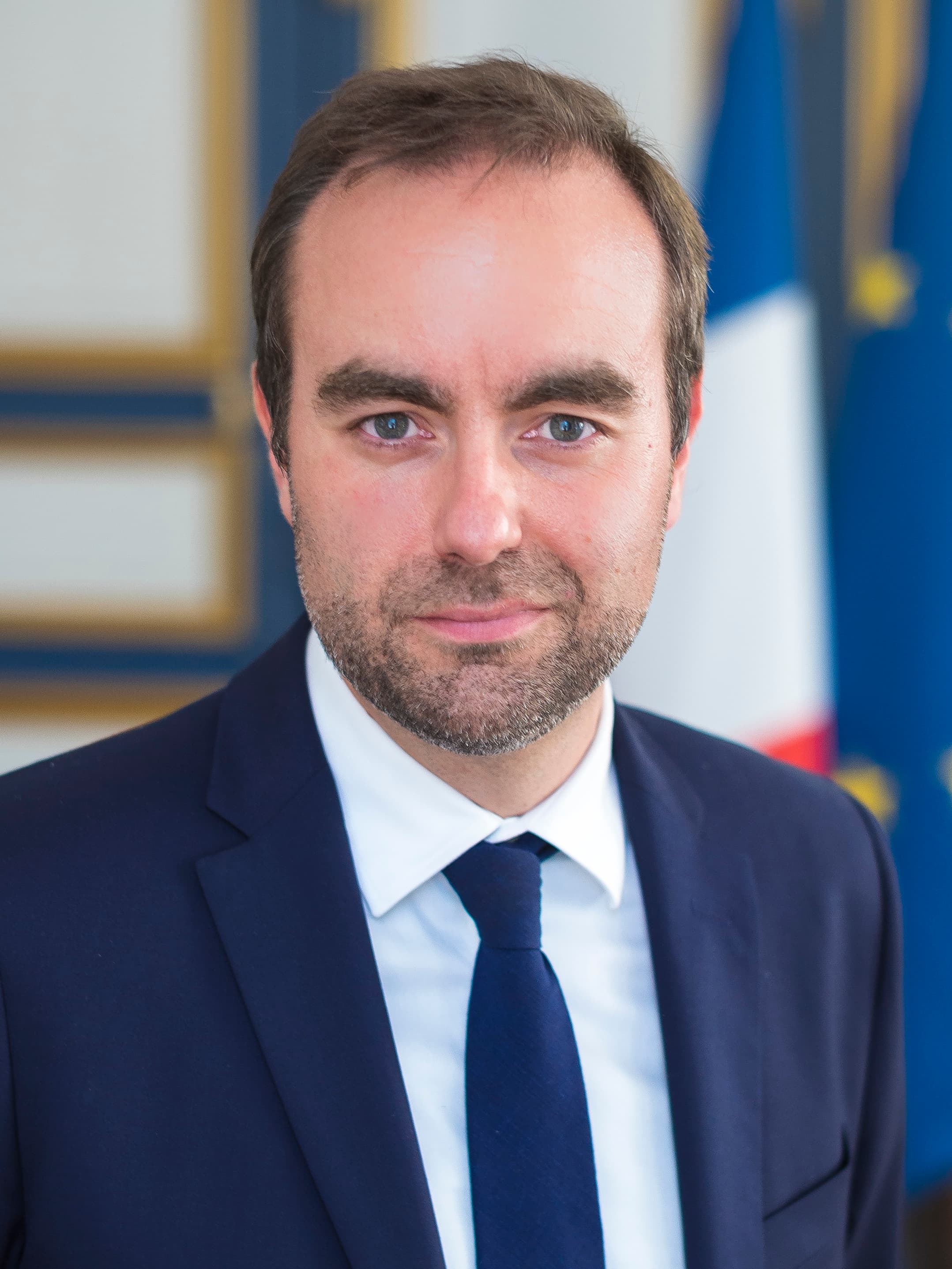
France entered the weekend of 17 October 2026 with protests expected across the country by students, trade unions, and Yellow Vest activists. Prime Minister Sébastien Lecornu (opens in a new tab) had warned two days earlier of a risk of violence during the coming weekend, Reuters reported. That warning does not establish that every student protester was violent or that every grievance was illegitimate.
Who is accountable?
Lecornu’s government is responsible for public safety, the policing framework, and ensuring that restrictions are lawful and proportionate. Protest organizers are responsible for the conduct of their events and for not inciting violence. Police are responsible for distinguishing peaceful assembly from specific unlawful acts and for using force only within the applicable rules. The evidence should be examined case by case rather than converted into a blanket verdict about the state or the protesters.
The strongest government defence is that authorities have to prepare for violence when earlier demonstrations have involved damage, injuries, or attacks on police and public property. Reuters described officials’ concern that the movement could become more disorderly during a weekend expected to draw a broad coalition. The strongest criticism is that framing a protest movement primarily through the risk of violence can blur the line between a minority committing offences and a larger group raising legitimate concerns about education, living costs, inequality, and public services.
The human cost
Students’ complaints in the current movement include school conditions and the quality of public services, according to contemporary reporting. When school facilities are inadequate or young people believe their concerns are ignored, the dispute can affect attendance, learning, family routines, and trust in public institutions. But those harms do not justify violence against teachers, police, students, or bystanders. The state has an obligation to protect both the right to protest and the people who may be injured during a disorderly event.
The competing claims about police conduct and protester violence require case-by-case evidence, including medical records, video, witness accounts, and judicial outcomes. The current source set does not establish a single conclusion about every encounter, so neither the existence of disorder nor a complaint about force should be generalized to the entire movement.
The French Justice Ministry reported on 9 October that 6,877 people had been placed in police custody since the beginning of violence associated with the school movement. It said 86% of them were minors and 2,376 people were facing prosecution at that snapshot. The ministry explicitly said the figures were current through 8 October at 17:00. They are useful context, not a count of detentions during the 17 October demonstrations and not a finding that everyone taken into custody committed violence.
The contradiction in the official framing
Lecornu’s warning acknowledges the risk of violence but also risks making the most serious incidents stand in for the whole movement. The government should explain what evidence supports each restriction and publish the legal basis for any dispersal or detention. Protesters and their organizers should also distinguish peaceful political demands from unlawful acts and condemn violence against people or property. A credible public record needs both accountability and precision.
President Emmanuel Macron (opens in a new tab) is part of the wider political context because the protests are occurring during a period of public-service and cost-of-living discontent. However, the cited reporting does not establish that Macron personally directed every police operation or every statement by Lecornu. The prime minister’s remarks, police actions, and broader government policy should be attributed to the actor responsible for each one rather than blended into a single claim.
Connections and receipts
The civic-space driver (opens in a new tab) concerns whether people can organize and criticize government. The state-repression driver (opens in a new tab) is relevant only where evidence shows state action restricting rights unlawfully or disproportionately; the existence of policing alone does not prove repression. The media-freedom driver (opens in a new tab) is relevant to the ability of journalists to document protests and investigate both police conduct and protester violence.
The strongest receipts are the Euronews morning bulletin published on 17 October, Reuters’ 15 October report on Lecornu’s warning (secondary only if the publisher blocks access), and the Justice Ministry’s dated figures. The ministry source is official but is not an independent evaluation of police conduct. The 9 October figures must not be presented as live numbers for 17 October.
What happens next?
The next checks are the scale and conduct of the 17 October demonstrations, documented injuries, any new detentions, and whether police restrictions are reviewed transparently. The government should provide clear explanations of orders and the legal basis for arrests; investigators should publish outcomes when complaints are substantiated or dismissed. Protest organizers should identify concrete school and service demands and reject violence. Neither side’s broadest rhetoric should replace evidence about individual incidents.
Questions people ask
Why are French students protesting?
Contemporary reporting identifies grievances about school conditions, living costs, inequality, and public services. The exact demands vary among participating groups.
What did Sébastien Lecornu say about the protests?
Reuters reported on 15 October that he warned of a risk of violence during the weekend protest window. That was a warning about risk, not a finding that all demonstrators were violent.
How many people were detained in France school protests?
The Justice Ministry reported 6,877 police-custody placements through 8 October, with 86% involving minors. That dated official figure is not a current count for the 17 October protests.
Evidence
The sources this article cites, claim-bearing material first.
- euronews.com · euronews.com — www.euronews.com
- justice.gouv.fr · justice.gouv.fr — www.justice.gouv.fr
More analysis
Ranked by shared facts, drivers and people — never by publication date alone.
Articles12
- Why Are French Students Protesting? Lens Injury, ArrestsShares the driver: Civic Space · 6 October 2026
- Why Najmeh Amini Was Sentenced to Death for Alleged Blasphemy in IranShares the driver: Civic Space · 15 October 2026
- Why 254 IDF Investigations Still Have No Public OutcomeShares the driver: Civic Space · 15 October 2026
- Neha Bora Released: Why India SIR Protests PersistShares the driver: Civic Space · 17 October 2026