India Voter List 2026: Why 130M Names Were Cut
TL;DR
More than 130 million names have been removed or flagged during India's 2026 Special Intensive Revision of voter rolls. Protests targeting Chief Election Commissioner Gyanesh Kumar escalated on October 13 as CJP leaders were detained and remanded after a Jantar Mantar demonstration.
By the Factrail desk · Method: how we source and score · Last reviewed
Key graph impact
The article explains graph entities; the causal edges belong to the facts and drivers it links to.
- ArticleIndia Voter List 2026: Why 130M Names Were Cut
- explainsDriverState Repression
- strengthensIndicators (5)Number of victims of intentional homicide per 100,000 population, by sex (victims per 100,000 population)
- ArticleIndia Voter List 2026: Why 130M Names Were Cut
- explainsDriverElectoral Integrity and Competitiveness
- strengthensIndicators (3)Having a say in government
- ArticleIndia Voter List 2026: Why 130M Names Were Cut
- explainsDriverCivic Space
- strengthensIndicators (3)Having a say in government
- Worse
Number of victims of intentional homicide per 100,000 population, by sex (victims per 100,000 population)
via State Repression
Strengthens · 84% impact strength
Observed
5.14 PER_100000_POP · 0.13 below the normal line (2024)
Better than normal7 readings, 2018–2024: fell from 5.65 PER_100000_POP to 5.14 PER_100000_POP.
Above normal = worse
- Worse
Number of cases of killings of human rights defenders, journalists and trade unionists
via State Repression
Strengthens · 83% impact strength
Observed
550 · 550 above the normal line (2025)
Worse than normal8 readings, 2018–2025: rose from 487 to 550.
Normal is zero · any amount = worse
Strengthens · 80% impact strength
Observed
29.8% of population aged 16-65 years · 8.13 below the normal line (2023)
Worse than normalTwo readings: 30.2% of population aged 16-65 years (2021) and 29.8% of population aged 16-65 years (2023).
20212023 Above normal = better
- Worse
Number of cases of enforced disappearance of human rights defenders, journalists and trade unionists (Number)
via State Repression
Strengthens · 78% impact strength
Observed
123 · 123 above the normal line (2025)
Worse than normal8 readings, 2018–2025: rose from 32 to 123.
Normal is zero · any amount = worse
Article
More than 130 million names have been removed or flagged during India's Special Intensive Revision of electoral rolls, a scale that has turned a technical voter-list exercise into a national political confrontation. On October 13, police detained leaders of the Cockroach Janta Party at Jantar Mantar in New Delhi, and The Hindu reported that Saurav Das, Ashutosh Ranka and Ajinkya Shinde were remanded after the protest. The immediate accountability rests with Chief Election Commissioner Gyanesh Kumar (opens in a new tab), whose commission is running the revision, and with Prime Minister Narendra Modi (opens in a new tab), whose government and BJP defend the process politically.
The central dispute is not whether voter lists should be cleaned. It is whether an exercise that touches roughly one in eight names on the rolls can remove ineligible entries without wrongly excluding legitimate voters, especially with elections approaching. The Election Commission says the revision is designed to remove dead, duplicate and shifted voters and that eligible people who are wrongly deleted can seek restoration or re-enrolment. Opposition parties and protest groups say the scale and implementation create an unacceptable risk of disenfranchisement.
Why 130 million names matter
BBC reporting put the number of names removed or flagged above 130 million across the Special Intensive Revision. The exercise has expanded across 30 states and union territories. The Election Commission presents that scale as evidence of a necessary clean-up; critics see the same number as evidence that errors could affect a vast population.
That is the human cost at issue. A voter who is removed in error does not experience the process as a database correction. The practical effect can be lost access to the ballot unless the person learns of the deletion, understands the remedy and completes the restoration process in time. That is why electoral integrity and competitiveness (opens in a new tab) depends on two obligations at once: excluding people who are not eligible and protecting eligible citizens from wrongful exclusion.
The strongest defence of Kumar and the Election Commission is straightforward. Voter rolls accumulate deaths, moves, duplicates and other outdated records. A revision is a normal administrative function, and the commission says people wrongly struck can be restored. That defence deserves to be stated before the criticism: the existence of 130 million affected names does not itself prove partisan manipulation.
Why the protests escalated
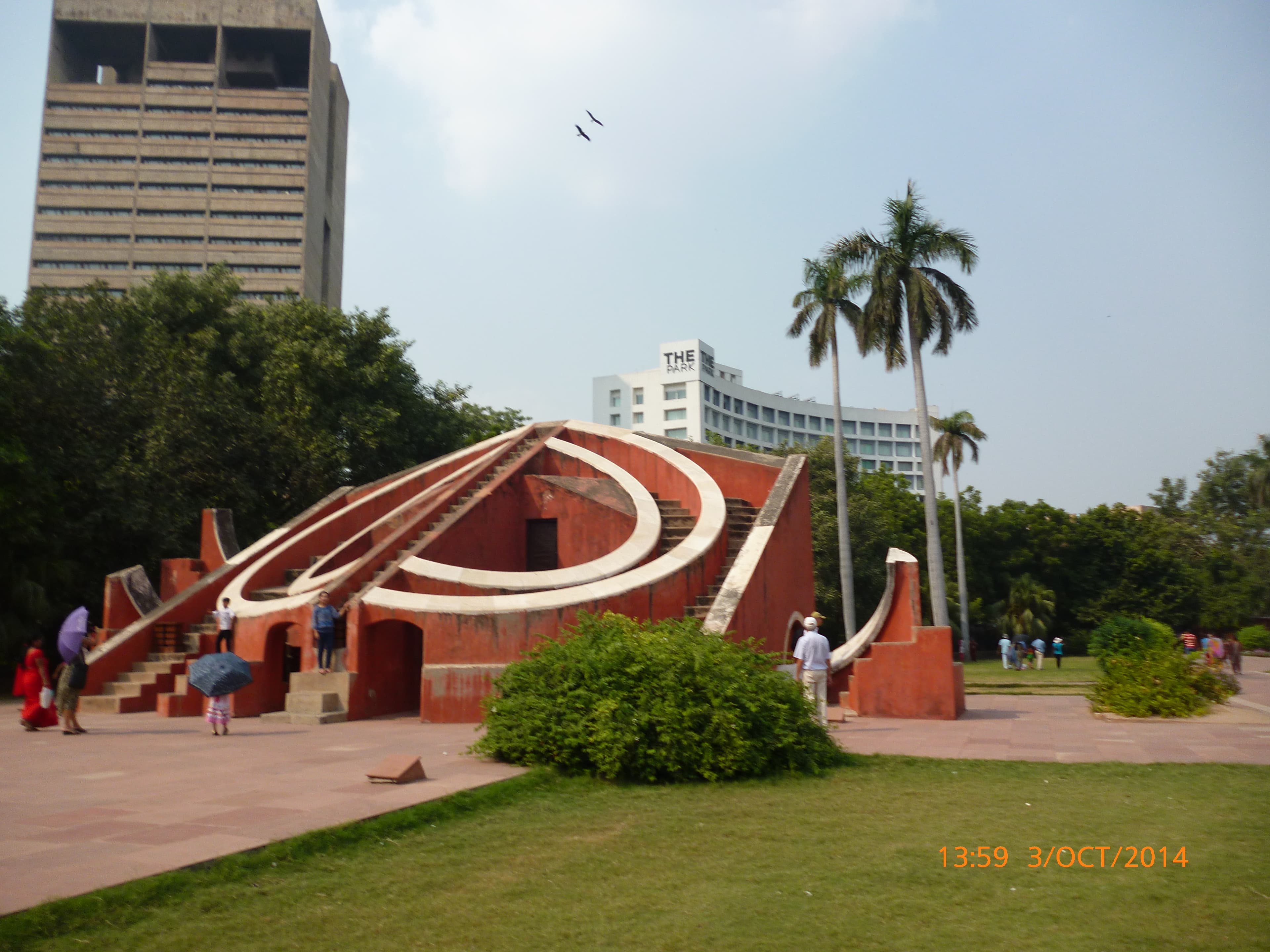
The October 13 protest brought a second accountability issue into view. Al Jazeera reported that police detained Cockroach Janta Party leaders and other protesters near Jantar Mantar, where demonstrators were demanding Kumar's resignation. The Hindu reported that three CJP leaders were remanded. Jantar Mantar, historically associated with public demonstrations in Delhi, had also been de-notified as a protest site while authorities designated other locations.
That creates a contradiction between India's self-description as the world's largest democracy and the combination of a mass voter-roll revision with tighter limits on where political dissent can occur. The contradiction does not establish that every police action was unlawful. It does show why civic space (opens in a new tab) is part of the same story as the voter list: citizens contesting the rules governing elections also need a practical way to protest those rules.
Rahul Gandhi and other opposition figures have attacked the revision, while the BJP rejects allegations that it is using the process to suppress opponents. The available reporting supports describing the accusations as accusations, not as proven election theft. It also supports describing the detentions, remand orders and protest-site changes as concrete state actions with direct effects on dissent.
Kumar, Modi and the accountability split
Kumar is the named election administrator. That makes him directly answerable for the commission's procedures, error-correction mechanisms and public explanation of the revision. Modi is politically accountable for his government's defence of the process and for the environment in which the dispute is unfolding, but the Election Commission is formally separate from the prime minister's office. Conflating those roles would weaken the evidence.
What happens next
The next test is procedural rather than rhetorical. The Election Commission can publish clearer numbers on how many names were deleted, how many were restored, why they were removed and how quickly appeals are resolved. Protesters have called for another march on October 16, making the handling of demonstrations another visible test. Courts and election authorities may also be asked to examine whether the revision and protest restrictions comply with Indian law.
The most important question for voters is simple: can a legitimate citizen discover a wrongful deletion and regain registration before it matters? If the answer is yes at scale, the commission's clean-up defence strengthens. If large numbers of eligible people cannot do so, the administrative rationale will not answer the democratic harm.
Questions people ask
Why were 130 million names removed from India's voter list?
The Election Commission says the Special Intensive Revision removes dead, duplicate, shifted or otherwise ineligible entries. Critics argue that the scale creates a serious risk of legitimate voters being wrongly excluded.
What is the Cockroach Janta Party?
It is a youth-led protest movement that has joined demonstrations over the voter-roll revision and demanded Chief Election Commissioner Gyanesh Kumar's resignation. Its leaders were among those detained around the October 13 Jantar Mantar protest.
Who is Gyanesh Kumar?
Gyanesh Kumar is India's Chief Election Commissioner. He leads the Election Commission during the Special Intensive Revision and has become a central target of opposition criticism over the voter-list exercise.
Evidence
The sources this article cites, claim-bearing material first.
- bbc.com · bbc.com — www.bbc.com
- Al Jazeera · Al Jazeera — www.aljazeera.com
- thehindu.com · thehindu.com — www.thehindu.com
More analysis
Ranked by shared facts, drivers and people — never by publication date alone.
Articles12
- Why India's Supreme Court Put the Election Commission on NoticeShares the driver: Electoral Integrity and Competitiveness · 15 October 2026
- Why 254 IDF Investigations Still Have No Public OutcomeShares the driver: Civic Space · 15 October 2026
- Why Najmeh Amini Was Sentenced to Death for Alleged Blasphemy in IranShares the driver: Civic Space · 15 October 2026
- Why Saudi Arabia Executed Two Bangladeshis for an 'Immoral Act' in a MosqueShares the driver: Civic Space · 15 October 2026