Abdourahamane Tiani’s Niger Needed Algerian Jets to Defend Its ‘Sovereignty’
TL;DR
Algeria says it deployed fighter aircraft at Niger’s request during an attempted coup, exposing the gap between the junta bloc’s sovereignty rhetoric and the external security guarantees that help keep regimes in power.
By the Factrail desk · Method: how we source and score · Last reviewed
Article
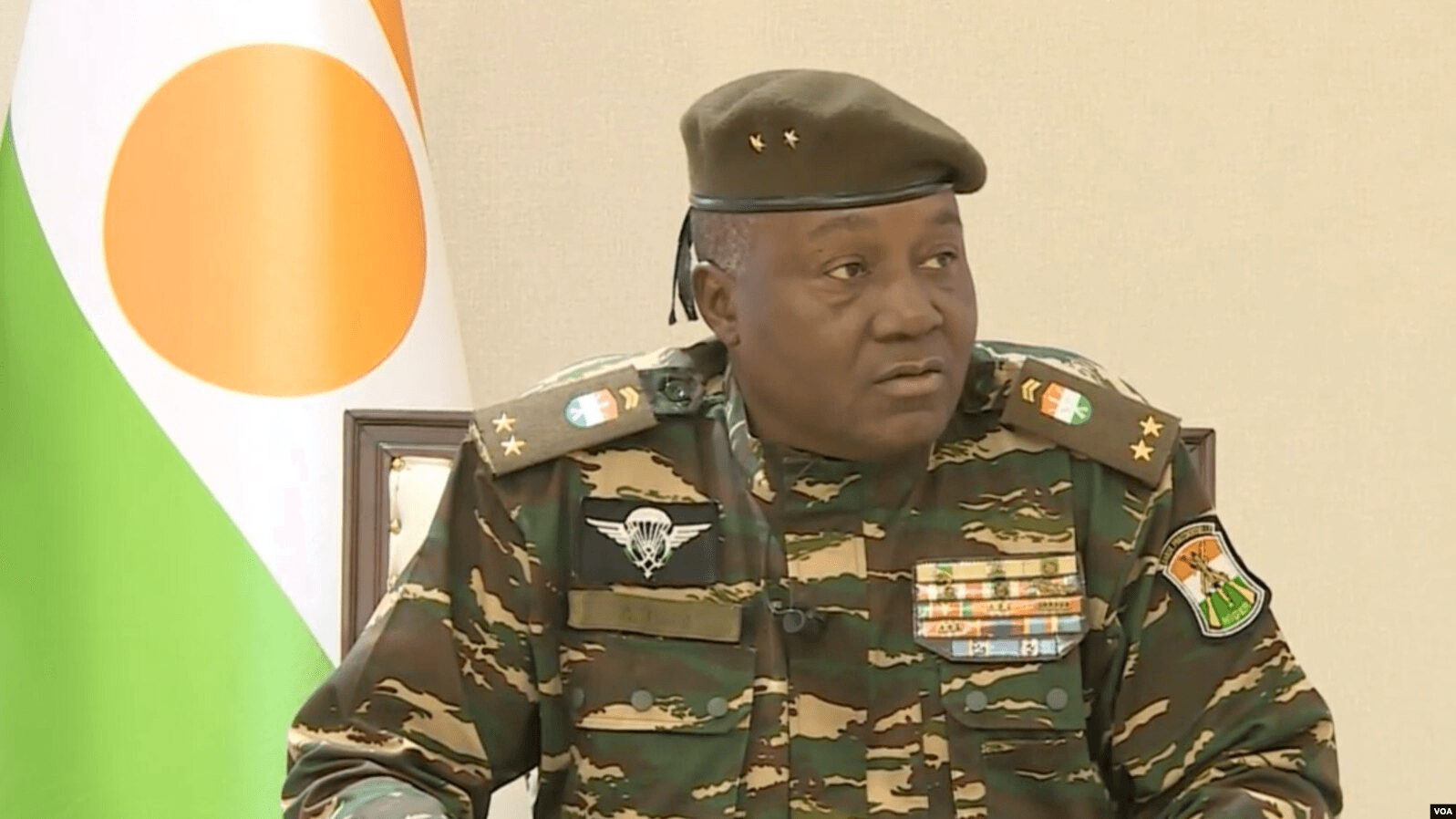
Niger’s military government has made sovereignty one of the central claims of its political legitimacy. The irony in Algeria’s latest disclosure is difficult to avoid: President Abdelmadjid Tebboune says Algerian fighter aircraft were deployed at Niger’s request to help defeat an attempted coup against Abdourahamane Tiani (opens in a new tab).
Algeria’s account says it dispatched fighter jets during the late-August attempt after Nigerien authorities sought assistance. Algeria’s defence ministry had previously described aircraft deployments connected to the crisis. Mutineers attacked key sites including an air base, state broadcaster facilities and the presidential palace before the attempt failed. Al Jazeera (opens in a new tab)
Foreign assistance is not inherently illegitimate. Governments routinely cooperate for collective defence, and a recognised authority facing an armed overthrow may seek help from a neighbour. The accountability issue is the contradiction between that practical dependence and the political language used by Sahel military regimes to justify themselves.
Niger, Mali and Burkina Faso created the Alliance of Sahel States (opens in a new tab) around a promise of greater autonomy from previous security arrangements. Their juntas have repeatedly framed foreign influence — particularly Western influence — as a threat to sovereign decision-making. Yet sovereignty in practice is not the absence of external power. It is often the selection of which external power is acceptable.
The Algerian intervention makes that visible. If another state’s combat aircraft materially help keep a military government in office, that external support belongs in any honest account of where regime security comes from. It does not automatically invalidate the government, but it does make claims of self-sufficient national control harder to sustain.
The distinction also matters for citizens. Regime survival is not the same outcome as public security. Fighter jets can help suppress a coup attempt without improving civilian protection from insurgency, restoring competitive politics, strengthening institutions or delivering services. A junta can become more secure while its population remains exposed.
There is a second democratic problem. Tiani himself came to power through a coup. The government therefore asks outsiders to treat an attempted overthrow of its own rule as illegitimate while its authority originated in the overthrow of an elected order. That asymmetry deserves scrutiny regardless of which external actor intervenes.
The useful accountability question is not “Was Algeria allowed to help?” It is: what political bargain accompanies that help, what dependencies follow it, and who ultimately gains security from the relationship? If the primary outcome is that the ruling military coalition survives another challenge, then the beneficiary is first the regime. Whether Nigerien citizens receive greater safety, representation and welfare is a separate proposition that must be demonstrated rather than assumed.
Evidence
The sources this article cites, claim-bearing material first.