Tunisian revolution and democratic constitutional transition
Tunisia's 2010–2011 uprising ended Zine El Abidine Ben Ali's authoritarian presidency and initiated an ambitious constitutional transition. Protesters confronting unemployment, police abuse and corruption achieved an outcome that inspired mobilization across the Arab world. Its one recorded fact is “Ghannouchi returns to Tunisia from exile” (30 January 2011).
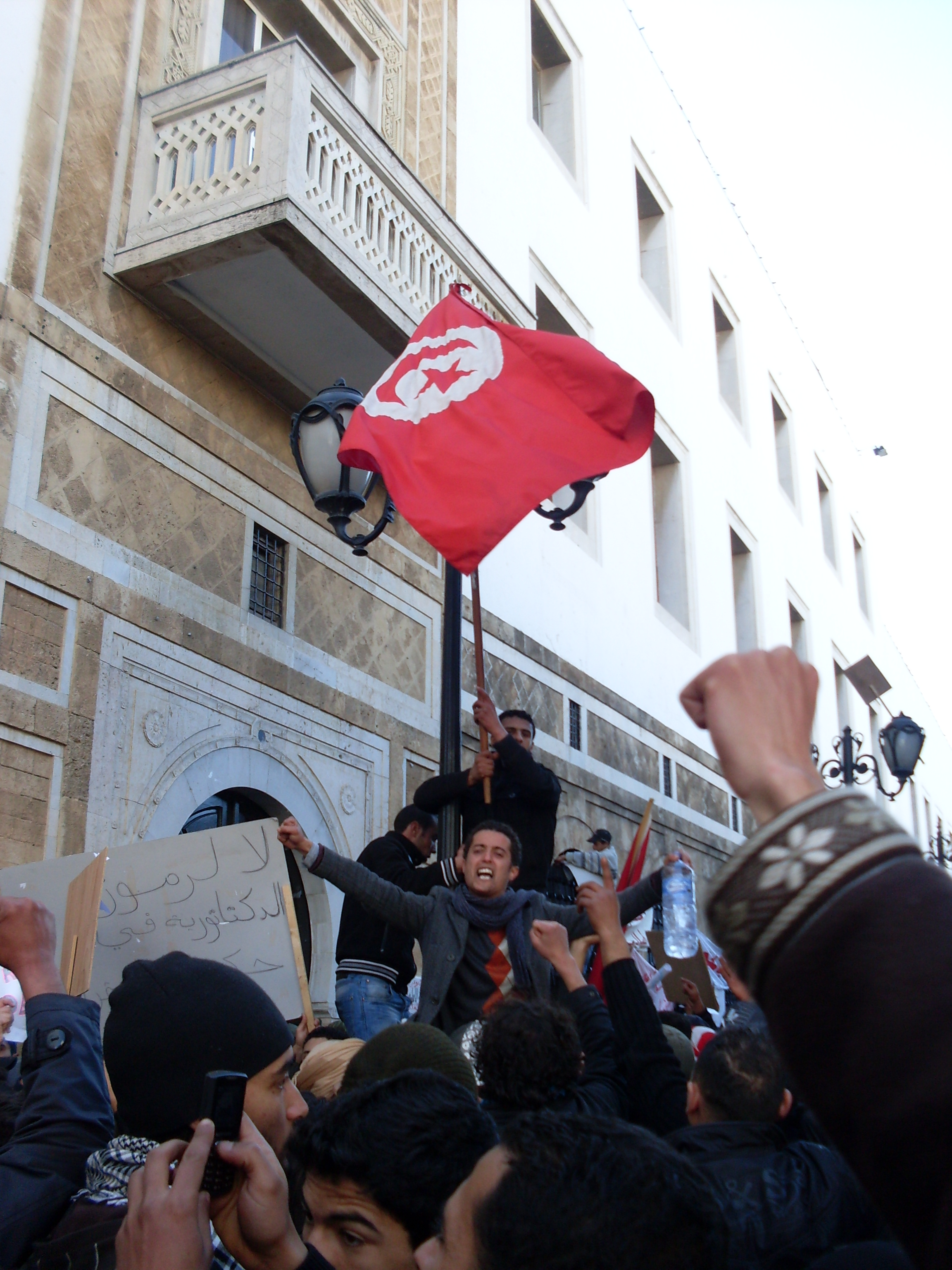
Tunisia’s uprising, democratic constitution and subsequent reversal
Tunisia's 2010–2011 uprising ended Zine El Abidine Ben Ali's authoritarian presidency and initiated an ambitious constitutional transition. Protesters confronting unemployment, police abuse and corruption achieved an outcome that inspired mobilization across the Arab world. Tunisia later held competitive elections and adopted a rights-oriented constitution, but the country's economic and institutional difficulties persisted. President Kais Saied's concentration of power from 2021 demonstrated that democratic institutions could be reversed even after a successful revolution.
- 17 December 2010: Mohamed Bouazizi set himself on fire in Sidi Bouzid after confrontation with local authorities; His death and the grievances surrounding it became catalysts for protests demanding dignity and an end to official abuse.
- January 2011: Demonstrations spread to Tunis and other cities; Security forces confronted crowds, and Ben Ali fled the country on 14 January after more than two decades in power.
- October 2011: Tunisians elected a constituent assembly tasked with developing a new political settlement; the election signaled an opening of democratic representation after years of constrained competition.
- 2013: Assassinations of opposition politicians Chokri Belaid and Mohamed Brahmi intensified fears of violence and political polarization; National dialogue among parties and civil-society organizations helped prevent a complete breakdown of negotiations.
- 26 January 2014: The constituent assembly adopted a new constitution setting out civil liberties and institutional checks; Its compromise between divergent ideological groups became a reference point for constitutional protections.
- 2014: Parliamentary and presidential elections proceeded under the new framework, producing peaceful transfers of power and demonstrating the practical value of competitive institutions.
- 25 July 2021: President Kais Saied dismissed the prime minister and suspended parliament, invoking emergency powers amid economic and political tensions; Critics argued that the step dismantled the constitutional balance achieved after the revolution.
- 2022: A new constitution expanded presidential authority as Saied continued restructuring institutions; Rights organizations documented pressure on political opponents and concerns about weakening judicial independence.
The revolution's success was to remove an entrenched autocrat and make open political organization possible. Its weakness was that high unemployment, regional inequality and frustration with government performance persisted. Democracy required economic credibility as well as an election schedule, and governments struggled to deliver both. Saied's supporters portrayed his interventions as necessary to cut through political paralysis and corruption.
Opponents maintained that executive action displaced representative checks rather than solving the underlying economic difficulties. Later Saied's power concentration reversed important safeguards, while the legacy of the 2011 protests continued through assembly rights. Another strand of Tunisia's democratic backsliding involved criminal prosecutions and constraints on civic groups. The transition therefore illustrates both a genuine period of pluralist achievement and the danger of treating a constitutional settlement as self-enforcing.
Tunisia's independent trade union federation, employers' organizations, lawyers and human-rights activists helped create a national dialogue process during the 2013 crisis. Their mediation demonstrated that organized civil society could keep negotiation alive when parties distrusted one another. That capacity weakened as subsequent presidential actions bypassed conventional consultation.
Key facts moving this driver
Ranked by impact weight, then verification, then recency.
Driver over time
Every fact linked to this driver, oldest first.
Causal path
Facts move the driver; the driver moves indicators. Open the full network to inspect each link.
- Facts1 recorded
- moveDriverTunisian revolution and democratic constitutional transition
Evidence
Review status of the facts behind this driver.
Documented Jan 2011 – Jan 2011
How Factrail grades evidenceBy the Factrail desk · Method: how we source and score · Last reviewed · Sources: 1
Questions
Who is responsible for Tunisian revolution and democratic constitutional transition?
Factrail's graph links Rached Ghannouchi to Tunisian revolution and democratic constitutional transition through sourced facts.
When did Tunisian revolution and democratic constitutional transition start?
30 January 2011: Ghannouchi returns to Tunisia from exile.