US Iran nuclear-deal cycle
The Joint Comprehensive Plan of Action (JCPOA) sought to limit Iran's nuclear program through enrichment restrictions, verification and sanctions relief. Negotiated in July 2015 by Iran and six major powers with European Union participation, the agreement did not resolve every conflict between Tehran and Washington.
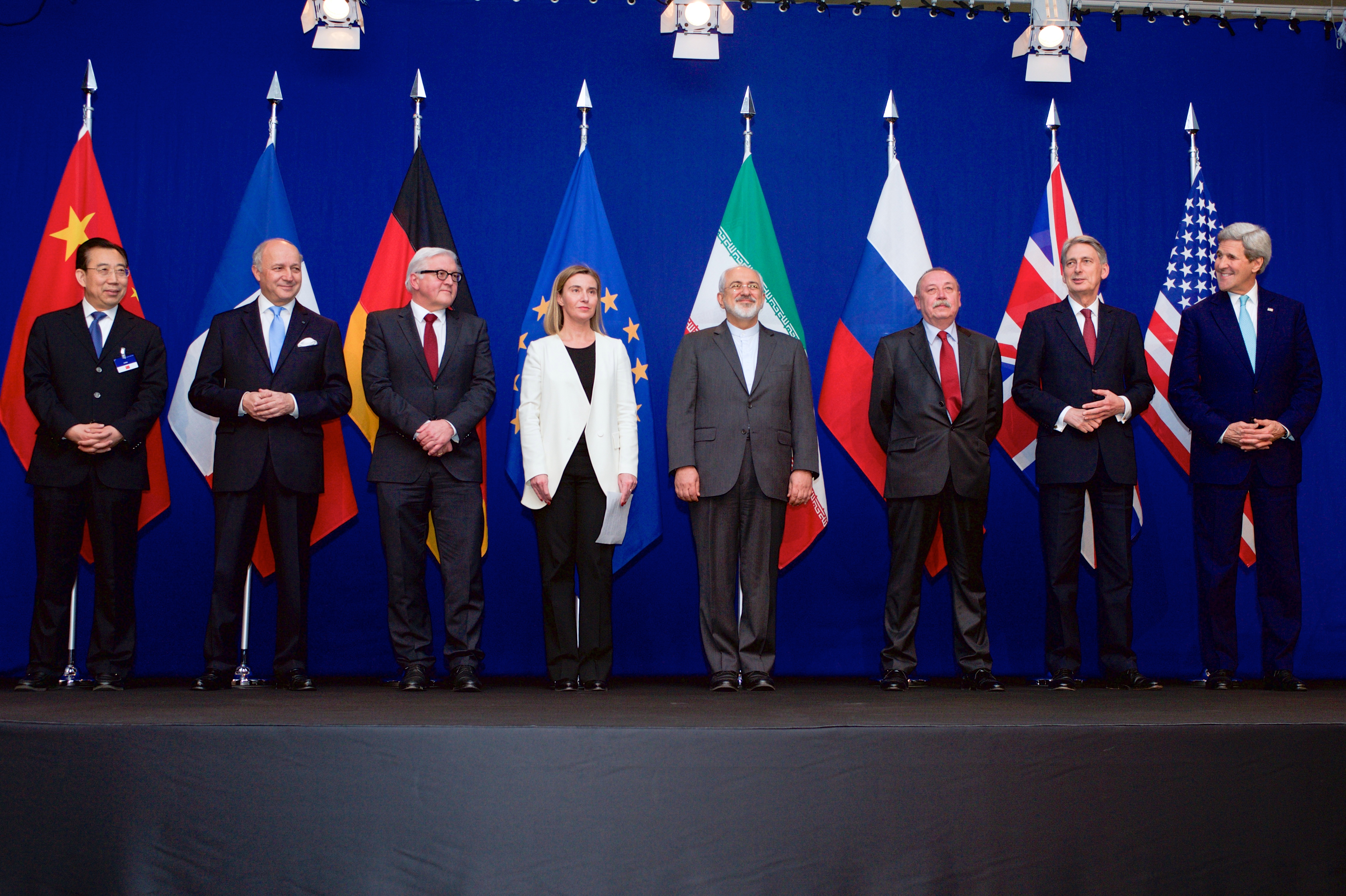
The JCPOA bargain, unilateral US withdrawal and renewed escalation
The Joint Comprehensive Plan of Action (JCPOA) sought to limit Iran's nuclear program through enrichment restrictions, verification and sanctions relief. Negotiated in July 2015 by Iran and six major powers with European Union participation, the agreement did not resolve every conflict between Tehran and Washington. Its fate became a cycle of implementation, unilateral U.S. withdrawal, renewed sanctions and Iranian nuclear advances that deepened mistrust and regional security risks.
- 2002: Public revelations about previously undisclosed nuclear facilities at Natanz and Arak increased international concern over the scope of Iran's nuclear activities.
- 2003: Iran entered negotiations with European powers and allowed additional inspection efforts, but disagreements over enrichment and past reporting persisted.
- 2013: President Barack Obama and Iranian President Hassan Rouhani opened a new diplomatic phase, and Iran reached an interim nuclear arrangement with world powers.
- 2 April 2015: Negotiators in Lausanne announced the broad parameters of an agreement, setting out the intended exchange of limits on nuclear activity for sanctions relief.
- 14 July 2015: The JCPOA was concluded in Vienna; Iran accepted restrictions on enrichment levels, centrifuges and monitoring, while other signatories committed to sanctions-related measures.
- January 2016: Implementation of verified nuclear commitments enabled significant sanctions relief, creating economic expectations in Iran and diplomatic expectations among the negotiating powers.
- 8 May 2018: President Donald Trump withdrew the United States from the JCPOA and announced renewed sanctions, breaking with European allies that remained parties to the deal.
- 2019: Iran began stepping away from some nuclear limits after the restoration of U.S. sanctions, arguing that the economic benefits of compliance had largely disappeared.
- 2021–2023: Negotiations to restore compliance remained difficult as Iranian enrichment capabilities expanded and verification disputes intensified.
The principal criticism of the U.S. exit was that it dismantled an inspected agreement without establishing a replacement capable of achieving broader limitations. Critics of the JCPOA itself argued that sunset provisions, regional conduct and ballistic-missile activity made the bargain insufficient. The two concerns are distinct: an agreement could be imperfect and still constrain immediate nuclear escalation risk better than no arrangement.
Sanctions imposed economic pressure on Iran and connected diplomacy to sanctions policy, with costs for ordinary residents and uncertain effects on elite decision-making. Iran's domestic crackdown, including events connected to Woman, Life, Freedom protests, remained a separate human-rights issue that a nuclear accord could neither cure nor justify overlooking. Disputes over missiles and regional military capabilities also implicated missile threats. The negotiations reflected competing security priorities, but their measurable success depended on inspection access, enrichment levels and verified compliance rather than declarations by political leaders.
The 2015 agreement's inspection arrangements were especially important because they allowed nuclear activity to be evaluated through monitored facilities and declared material rather than relying only on intelligence estimates. After the 2018 U.S. withdrawal, diminished incentives for cooperation made those verification mechanisms harder to sustain, increasing uncertainty for all parties.
Driver over time
The facts that make up this driver, in time order.
No linked facts yet.
Evidence
Review status of the facts behind this driver.
By the Factrail desk · Method: how we source and score · Last reviewed