Venezuela 2017 Constituent Assembly and institutional breakdown
Venezuela's elected National Assembly became a site of open institutional conflict after opposition candidates won its majority in December 2015. The Supreme Tribunal of Justice subsequently issued rulings curtailing the legislature's authority, while President Nicolás Maduro's administration rejected opposition demands for a change in government.
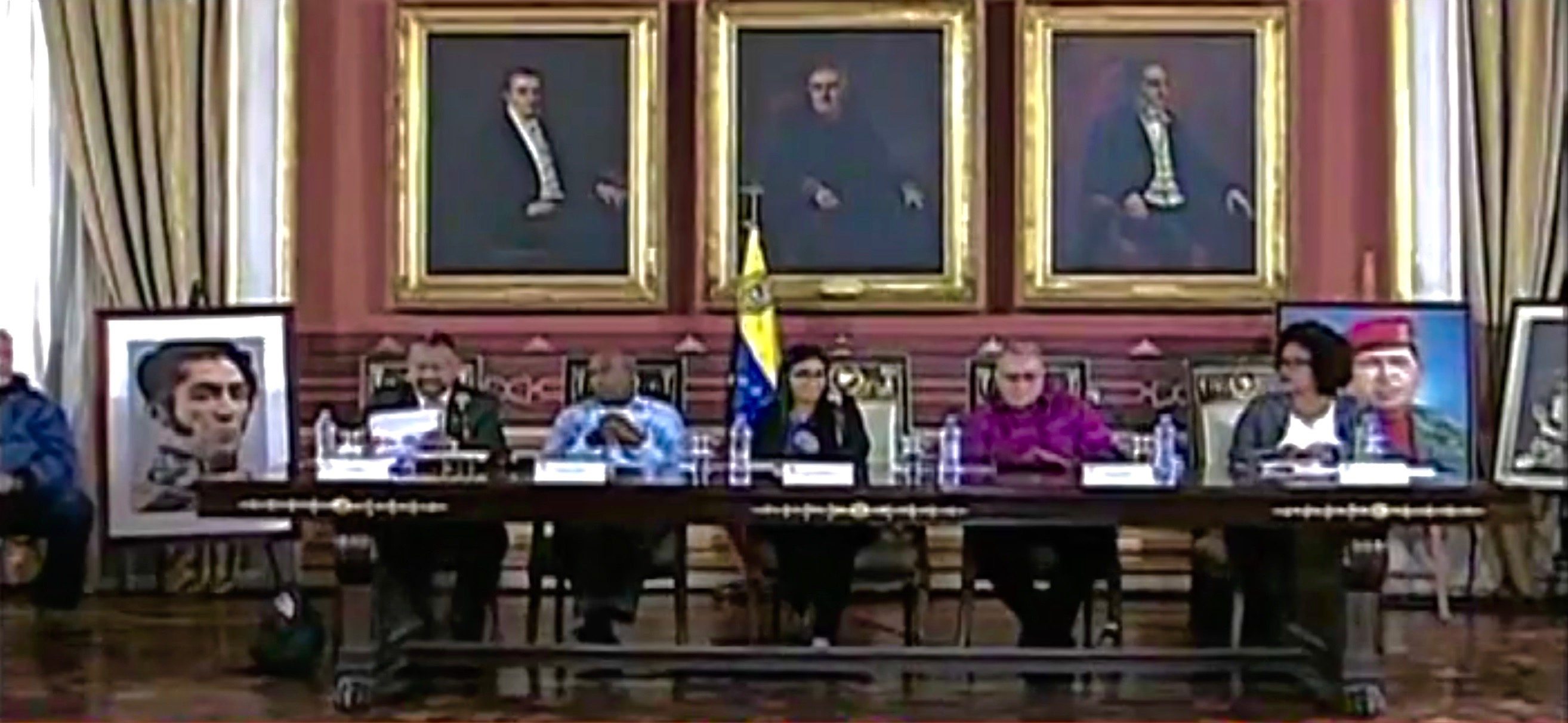
The 2017 constituent assembly and erosion of competing institutions
Venezuela's elected National Assembly became a site of open institutional conflict after opposition candidates won its majority in December 2015. The Supreme Tribunal of Justice subsequently issued rulings curtailing the legislature's authority, while President Nicolás Maduro's administration rejected opposition demands for a change in government. In late March 2017, court decisions purported to transfer some parliamentary functions to the judiciary and restrict lawmakers' immunity, provoking domestic protest and diplomatic criticism. On April 14, Human Rights Watch described the escalating dispute and international concern through the Organization of American States. The confrontation revealed severe stress on constitutional resilience before any new assembly was elected.
Large protests began in April 2017 as opposition supporters accused the executive and judiciary of dismantling checks on presidential power. Security forces responded with tear gas, arrests and firearms in some encounters; protesters also threw objects and attacked property. In May 2017, Maduro announced a plan to convene a National Constituent Assembly that could supersede the opposition-controlled legislature. Opponents argued that the initiative bypassed a referendum on whether such an institution should be created and used electoral rules favoring government candidates. Supporters presented the proposed body as a constitutional response to political instability. The disagreement was therefore about who had authority to redesign the state, not merely about the administrative details of a vote.
On July 16, 2017, the opposition organized an informal consultation at which it said more than seven million participants opposed the constituent initiative. The authorities did not accept the exercise as binding. On July 30, Venezuela conducted the election for the Constituent Assembly despite boycotts and international objections. Late that night, electoral authorities claimed turnout above eight million, equivalent to roughly 41 percent of eligible voters. Human Rights Watch reported on July 31 that independent observers were absent and the reported totals were widely disputed; opposition estimates were far lower. The varying figures were claims by opposing actors rather than a verified turnout consensus.
Violence accompanied the vote and the months preceding it. By July 31, the attorney general's account cited more than a hundred protest-related deaths since April, while investigators continued to examine responsibility for individual killings. On July 31, Human Rights Watch reported that several governments in the Americas and Europe refused to recognize the Constituent Assembly. Once seated in August 2017, the new body claimed authority over state institutions and diminished the elected National Assembly's practical role. The shift deepened executive-power concentration by creating an institution aligned with Maduro in competition with an already elected legislature.
Human Rights Watch published a further investigation on November 30, 2017, documenting beatings, torture, arbitrary detention and political persecution associated with that year's crackdown. Prosecutors, security personnel and judges played separate roles in a system criticized for lacking independent review. Senior ruling-party figures, including Diosdado Cabello's political network, supported the administration's consolidation of power. Large numbers of Venezuelans later left the country amid economic crisis, insecurity and political uncertainty, contributing to forced displacement, although migration had multiple causes. The constituent assembly did not end the political confrontation; it weakened a rival center of authority and magnified distrust in elections, courts and police. The 2017 episode demonstrated how constitutional language and electoral machinery can be employed to expand presidential power when judicial independence and meaningful opposition safeguards have already been eroded.
Driver over time
The facts that make up this driver, in time order.
No linked facts yet.
Evidence
Review status of the facts behind this driver.
By the Factrail desk · Method: how we source and score · Last reviewed