Reform UK Slips Behind Tories in October Polls
Published Factrail
Summary
Reform UK entered the last day of October in a more difficult position than it occupied earlier in 2026. A Westminster polling average updated October 31 by UK Elections placed Labour on 29.0%, the Conservatives on 22.0% and Reform on 21.8%.
Report
The October polling shift
Reform UK entered the last day of October in a more difficult position than it occupied earlier in 2026. A Westminster polling average updated October 31 by UK Elections placed Labour on 29.0%, the Conservatives on 22.0% and Reform on 21.8%. Another aggregation published the same day by Fred Cornell put Labour ahead of Reform by 7.4 points, while the latest YouGov data assembled by Election Models had Reform on 20%, compared with the Conservatives on 22%. These are separate methods and time windows, not interchangeable official results. The common direction is significant: a party that led some polls earlier in the year is now competing with the Conservatives for second place while the governing Labour Party enjoys a stronger position. The electorate has not voted in a national election this week, so none of these estimates confers parliamentary seats. They do, however, change the incentives of donors, councillors, party leaders and voters weighing future campaigns.
A source of political pressure for Farage
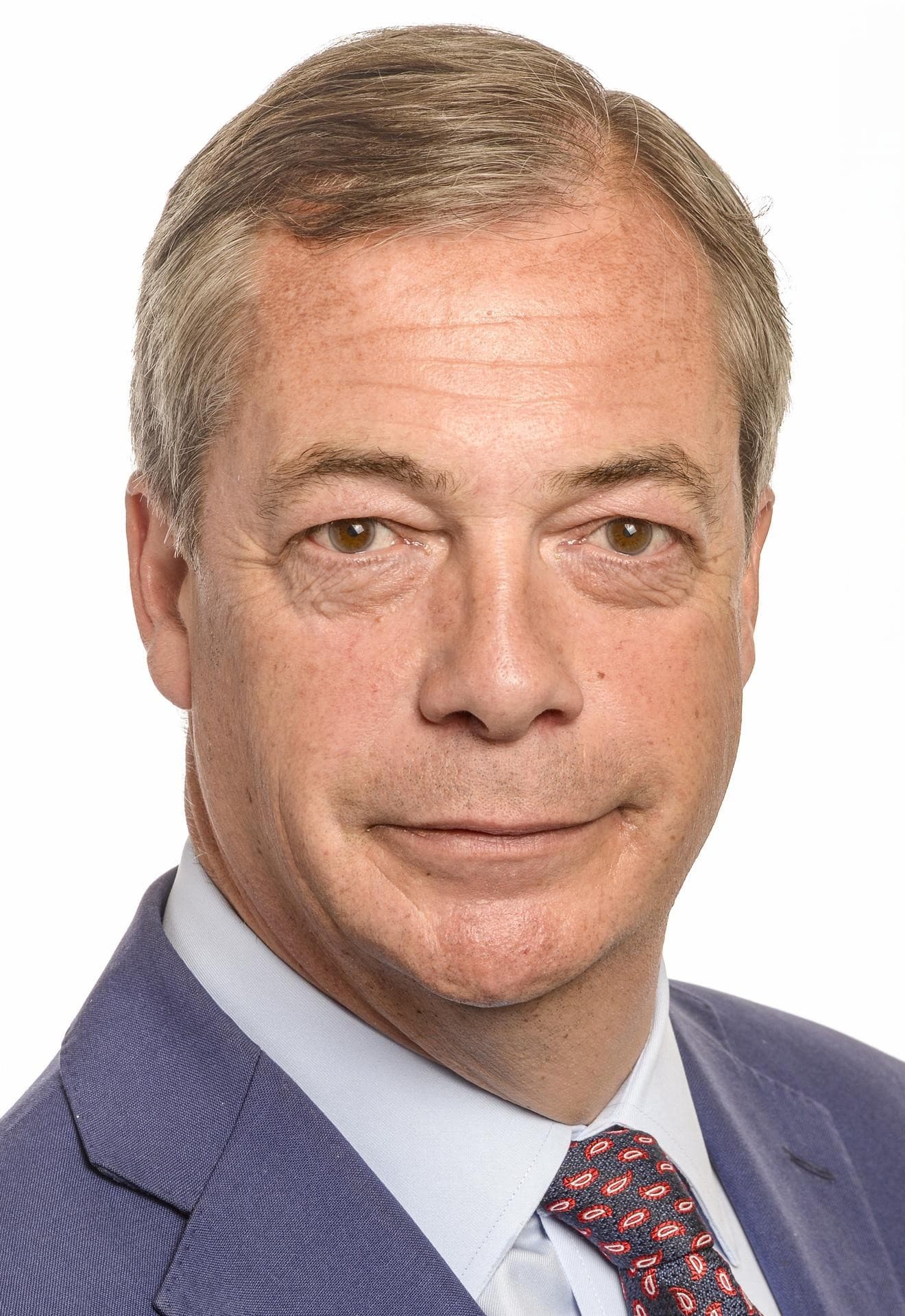
Nigel Farage remains the nationally recognisable face of Reform UK. His party's ability to attract protest votes has depended on a claim that it could displace established parties rather than merely fragment their support. A polling decline challenges that claim. The same poll averages show Labour improving from earlier in the year and Conservatives regaining some of their lost standing. This could change how journalists, political donors and local campaigners treat the party's prospects. Yet Reform can still command around one in five respondents in national surveys, a substantial constituency, and a weak month does not mean that its concerns have disappeared. The meaningful accountability question is whether its policy prescriptions on migration, energy and public spending withstand scrutiny when voters compare concrete proposals rather than dissatisfaction with incumbents. The latest numbers describe support, not the reasons that individual respondents changed their minds.
What the October 30–31 sources actually say
The PollCheck seven-poll moving average as of October 30 put Reform in third place with a share around the low twenties, below Labour and narrowly behind the Conservatives. UK Elections' October 31 snapshot used 11 polls and registered Reform at 21.8%, a small move from its October 29 value of 22.0%. Fred Cornell's daily update likewise shows a Labour lead; its own notes describe uncertainty and method choices. Election Models relies on YouGov's voting-intention workbook, which had Labour on 27%, Conservatives on 22% and Reform on 20% in the latest fieldwork it reported. A national poll is a sampled measure with weighting and nonresponse risks. Differences of one or two points between parties are not decisive proof of a durable ranking. Analysts should not select whichever poll gives the most dramatic headline without showing its sample, fieldwork date and methodology.
Internal disruption adds context
An October 31 Politics UK review catalogued councillor resignations and local losses during October, including departures after an ITV investigation captured damaging statements by councillors. The report also discussed other departures for different reasons and noted five Reform council-seat losses versus two gains in October by-elections. These figures should not be merged into a claim that every departure involved the same conduct; the stated circumstances differ. Local defections can remove experienced campaign volunteers and councillors, alter organisational credibility and affect candidate selection. They may also create media narratives that influence national polling, but that causal connection is not established solely by the overlap in timing. Party leadership is accountable for standards, vetting and responses, while voters should judge each episode on reliable documents. Treating a whole electorate as responsible for individual misconduct would confuse political accountability with collective blame.
The alternative explanation: Labour recovery
The change is not only a Reform story. Earlier in October, Survation reported Labour at 30%, Reform at 24% and Conservatives at 19% in a survey conducted October 2–5. Its write-up described a recovery in Labour support under Prime Minister Andy Burnham and reported stronger assessments of his personal popularity than those of other national leaders. Later trackers suggest a further Conservative recovery and Reform decline, but they do not uniformly measure the same respondents. Policy announcements from the October 28 Budget, changes in economic expectations, local news and leader perceptions could all influence voters. No one of those factors should be declared the sole driver without more detailed polling or an identifiable political event. An improving government polling position can reflect rival weakness, greater satisfaction with leadership or changes in what issues respondents see as most important.
How the numbers translate into seats
Britain's parliamentary system elects individual MPs by constituency, not by allocating seats in strict proportion to the nationwide vote. A party on 20% nationally could win relatively few constituencies if its support is evenly dispersed, or substantially more if concentrated in competitive seats. The Fred Cornell tracker displays an illustrative uniform-swing calculation but explicitly warns that it excludes local candidate differences, tactical voting and regional variation. Such a model is not a parliamentary result. For Reform, the geographic shape of support in England, Wales and Scotland matters as much as the national share. For Conservatives and Labour, the prospect of a split opposition vote influences campaign positioning. Polls can reveal national mood, but they cannot alone determine which households will be represented by which party after the next election. Local candidate selection and voter turnout remain decisive.
A test of the Budget narrative
The October 28 Budget included energy support and other household measures. A more favourable reception to the government's fiscal choices could help Labour, but October 31 poll aggregates contain fieldwork from multiple days, some predating those announcements. A clear event-study comparison would require polling before and after the Budget with comparable questions, sample selection and voter controls. The government says its approach provides immediate relief while preserving public financial discipline. Critics can question whether one-off payments address persistent price pressure and whether future funding will be sufficient. Reform and the Conservatives have incentives to contest those claims, but a persuasive alternative should specify which spending or tax change they would make, how it is financed and which households bear the cost. A party's electoral rebound is not itself a reduction in utility bills.
Who benefits and who pays
Labour benefits politically when its polling lead widens; the Conservatives benefit if they can reclaim the role of principal alternative government. Reform may lose influence over the narrative if supporters come to believe that winning constituencies is less feasible, though it retains a meaningful platform. Consultants, pollsters and media businesses may gain attention as political rankings shift. The public bears a different risk: policy discussion can become dominated by tactical calculations instead of verifiable effects on housing, wages, healthcare and migration administration. Voters pay for government decisions through taxes, services and prices, not by moving a poll percentage. Those material outcomes should be assessed against the choices of the government and Parliament. No particular party deserves credit for lower inflation or blame for higher costs without a supported causal account of its actions.
What it moves
The immediate indicator is Westminster voting intention: Reform's estimated share has declined from its higher earlier readings, while Labour's and the Conservatives' positions have strengthened in several trackers. A second is the proportion of party support likely to be effective in individual constituencies, an uncertain quantity until credible local estimates and election results exist. A third is councillor retention and local election performance, which measures organisational reach differently from national surveys. The welfare indicators remain cost-of-living pressure (opens in a new tab), fiscal sustainability (opens in a new tab) and inflationary pressure (opens in a new tab). Those drivers may shape voting preferences, but the direction of causality also runs from policy to outcomes. Voters should compare subsequent data and government actions rather than read an election prediction into a one-day change of 0.2 percentage points.
What to watch in November
The next useful test will be whether independently conducted polls continue to place Reform below the Conservatives after the Budget has had more time to enter public debate. Watch the fieldwork dates rather than only publication dates, the sample sizes and the treatment of undecided respondents. Any further defections should be counted carefully and categorised by cause. Local contests may show whether Reform's remaining support is geographically concentrated enough to overcome a lower national share. The eventual policy test is whether party leaders produce consistent, financed proposals rather than deriving a mandate from temporary poll leadership. October 31 delivers a measurable snapshot of political movement, not a durable verdict about the next general election.
Sources
- UK Elections — Westminster polling average October 31 (opens in a new tab)
- Fred Cornell — UK opinion polls October 31 (opens in a new tab)
- Election Models — UK voting intention tracker (opens in a new tab)
- PollCheck — Reform UK latest polling tracker (opens in a new tab)
- Politics UK — Reform's Frightful October (opens in a new tab)
- Survation — Labour at 30 and Reform at 24 in October (opens in a new tab)
- UK Decides — Westminster polls and constituency data (opens in a new tab)
- HM Treasury — Budget 2026 (opens in a new tab)
Sources & evidence
| Source | Publisher | Type |
|---|---|---|
| gov.uk/government/publications/budget-2026-document/budget-2026-html | — | government |