California Judge Weighs Independent Review of 20,000 Voters
Published Factrail
Summary
Accurate review protects legitimate voters and credible results, whereas an untested citizenship list risks erroneous exclusion.
Report
Cui bono: Accurate review protects legitimate voters and credible results, whereas an untested citizenship list risks erroneous exclusion.
California Judge Weighs Independent Review of 20,000 Voters
Cui bono verdict
The Justice Department's attempt to isolate the ballots of roughly 20,000 California voters places the credibility of its citizenship database and the rights of eligible voters before a federal judge days before congressional elections. The government claims it seeks to prevent unlawful voting. California argues the proposed list is unreliable and the request would disrupt procedures while millions of ballots are already being processed. An independent special master could help distinguish errors from genuine ineligibility. The real beneficiary should be accurate election administration, not whichever party uses a disputed database to claim that the election is illegitimate.
The October 27 hearing
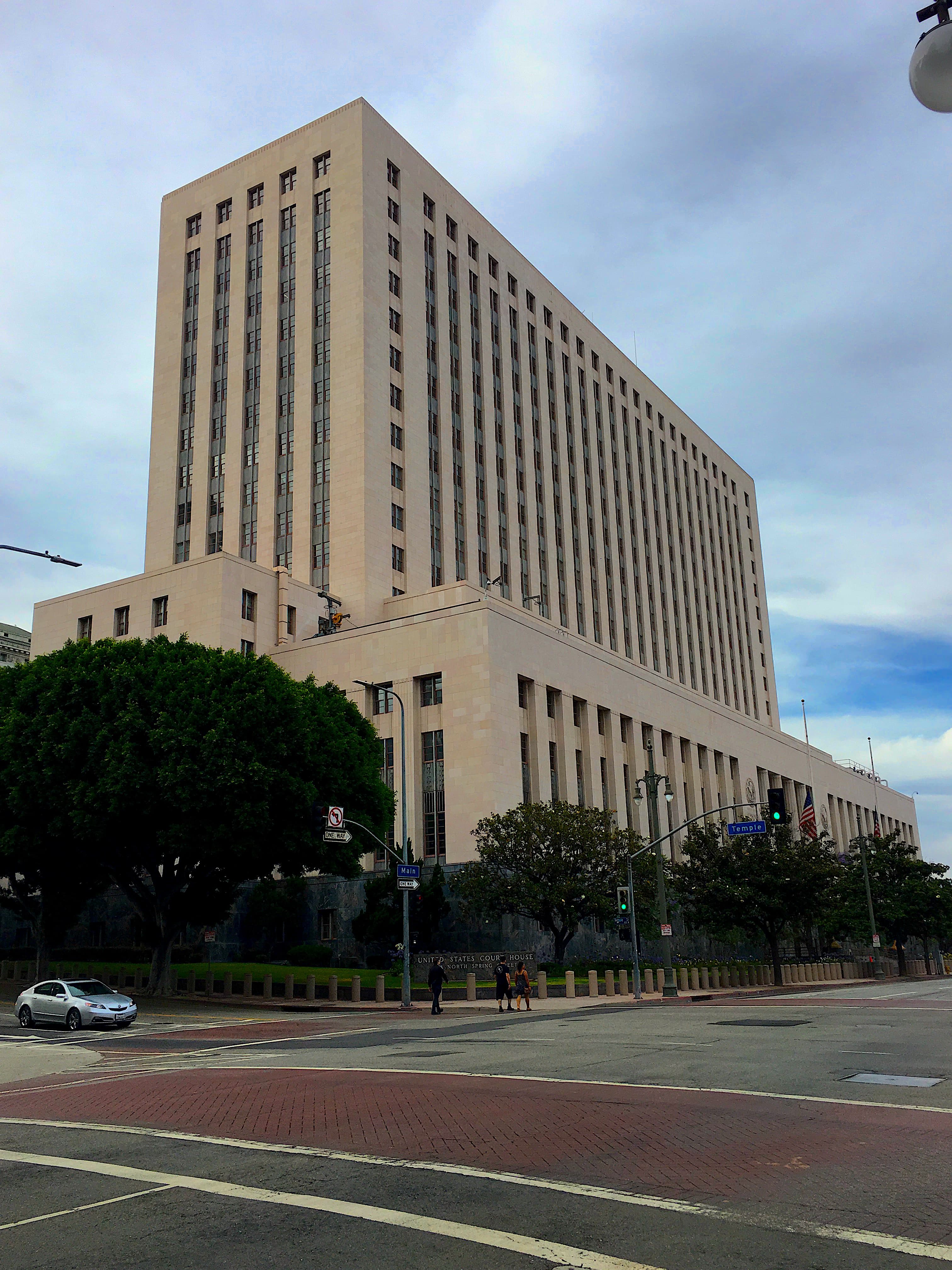
US District Judge David O. Carter held a lengthy hearing in Los Angeles on the federal government's emergency request. He expressed concern about the methodology used to identify alleged noncitizens and discussed appointing an independent reviewer before California's December 11 certification deadline. Carter indicated that he expected to rule Wednesday, October 28. That is a procedural announcement, not a final order already granting either party's demands. Both state and federal lawyers were given the opportunity to explain the legal and logistical consequences.
What the federal government alleged
The Justice Department filed suit October 15 after immigration and homeland-security authorities identified a list of more than 20,000 registered voters they considered likely noncitizens. The government proposed that their mail ballots be set aside until citizenship could be verified. Federal law prohibits noncitizens from voting in federal elections. But an allegation based on data matching is not equivalent to an adjudicated finding that any named person voted illegally. Existing records can be outdated or mismatched, and eligibility checks must be accurate enough to avoid excluding lawful citizens.
The appellate backdrop
On October 26 the Ninth Circuit declined an emergency appeal connected with the government's request, primarily finding a jurisdictional obstacle at that stage. Opinions from members of the panel also raised concerns about the requested intervention and the timing. The case continued before Carter. The appeals court action did not make every disputed citizenship question disappear, and it did not authorize federal officials to redesign state election procedures independently. The decision illustrates the distinction between appellate jurisdiction, the merits of a claim, and practical administration.
Who holds responsibility
| Actor | Legal or operational role | Accountability test |
|---|---|---|
| Justice Department | Seeks emergency court relief | Reliability of suspect list |
| California election officials | Process and certify ballots | Protect eligible votes and exclude unlawful ones |
| District court | Evaluates evidence and legal standards | Proportionate relief with workable procedures |
| Voters | Exercise lawful voting rights | No removal without reliable evidence and process |
| Public | Depends on credible results | Transparent correction of verified errors |
Why scale matters
California has more than twenty million registered voters, and millions of mail ballots were reportedly already returned when the hearing took place. A disputed subset of about twenty thousand is a small fraction of the electorate, but excluding even one eligible voter is serious. Conversely, verified illegal votes must be handled under established law. The issue is not whether citizenship matters; both sides acknowledge it does. It is whether the requested procedure can distinguish eligible from ineligible voters without large-scale disruption just before Election Day.
Data reliability and independent checking
Los Angeles County reportedly found several citizens among a small sample of flagged people, while federal investigators disputed aspects of the county's findings and acknowledged that some errors could occur. A small sample cannot establish the true error rate for all records. That is why an independent review might be useful, provided the reviewer can access evidence lawfully and finish on a realistic schedule. Transparent methodology, records of corrections and protection of private voter data are important. Any court-appointed process would need to balance confidentiality with public trust.
Strongest arguments
Federal prosecutors argue that every unlawful vote can dilute an eligible citizen's ballot and that enforcement should occur before a disputed vote is counted. State officials respond that an untested, late-provided list could disenfranchise citizens while destabilizing election operations. Both principles are serious: electoral integrity includes preventing unlawful votes and preserving lawful votes. A judicial remedy should be proportionate to verified evidence and tailored to actual administrative capacity, not partisan claims about who would benefit.
What is not yet proven
The government has not established in open court that all twenty thousand listed individuals are noncitizens. California has not established that every entry is correct either. No ruling announced for Wednesday should be reported as issued before publication. Watch Carter's order, any special-master appointment, the underlying data-quality evidence, appellate litigation and final certification. The immediate news is the judge's demand for evidence and workable procedures, not a completed disqualification of twenty thousand ballots.