Brazil Votes on What Comes After a Coup Attempt
TL;DR
The contest between Lula and Flávio Bolsonaro is also a referendum on whether electoral victory can unwind the legal consequences imposed after Brazil’s post-2022 anti-democratic rupture. Flávio’s promise to free his imprisoned father makes that accountability conflict explicit.
By the Factrail desk · Method: how we source and score · Last reviewed
Article
Brazil's presidential election is not a rerun of 2022.
Jair Bolsonaro is no longer the candidate. His son Flávio is.
But one of the central accountability questions of the Bolsonaro era is on the ballot anyway: can electoral power be used to reverse the legal consequences imposed after an attempted rupture of democratic government?
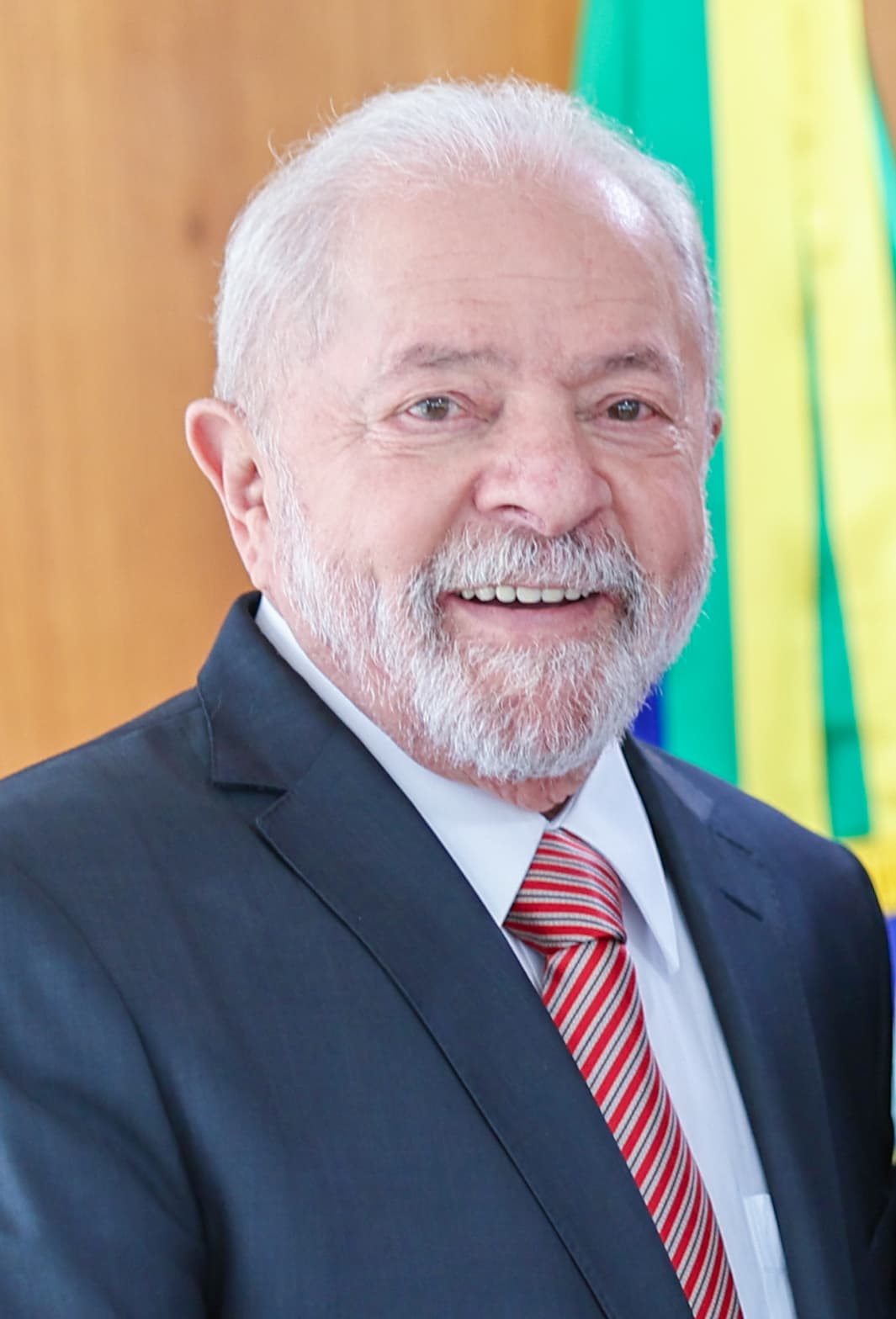
Brazilians vote on October 4 in a tightly contested presidential election between incumbent Luiz Inácio Lula da Silva (opens in a new tab) and Senator Flávio Bolsonaro. If no candidate wins more than half of valid votes, a runoff is scheduled for October 25. AP reported that Flávio has campaigned on freeing his father, who is serving a lengthy sentence connected to an attempted coup. AP News (opens in a new tab)
That promise makes the institutional stakes unusually direct.
Jair Bolsonaro is not merely a former president whose political legacy his son wants to continue. His legal status is itself part of the campaign.
Democratic systems routinely allow elected governments to change policy. Criminal accountability is different. When a candidate campaigns on using political authority to relieve an ally or family member of the consequences of an anti-democratic offense, voters are being asked to decide not only who governs next but how durable the previous accountability process will be.
That does not make support for Flávio Bolsonaro illegitimate. Nor does it place Lula outside scrutiny.
Lula enters the election with the advantages and liabilities of incumbency, including economic dissatisfaction and controversies involving his political camp. Brazilian voters are entitled to judge his government on affordability, corruption, public services and every other normal dimension of democratic performance.
The accountability problem is precisely that both ledgers must remain visible at once.
A voter can be dissatisfied with Lula and still consider institutional accountability important.
A voter can support conservative policies without believing that political allies should be insulated from legal consequences.
A voter can also believe that Bolsonaro's prosecution was unjust and vote accordingly.
The democratic test is whether those competing positions are processed through institutions rather than through another attempt to overturn the electoral system.
Approximately 159 million Brazilians are eligible to vote, with the presidency only one part of a much broader election covering legislatures and state governments. AP News (opens in a new tab)
That scale matters because democratic resilience is not reducible to one politician.
Courts, election administrators, Congress, governors, parties, security institutions and voters all occupy parts of the causal chain.
The first question on October 4 is who receives enough votes to govern.
The longer question is whether Brazil can preserve a system in which losing an election means losing office—not acquiring a license to overturn the result—and in which winning a later election does not automatically erase accountability for what happened before it.
Evidence
The sources this article cites, claim-bearing material first.
- Presidency of Brazil · Planalto — Dirceu resignation and Mensalão-period government communications, June 2005
More analysis
Ranked by shared facts, drivers and people — never by publication date alone.
Articles10
- Flávio Bolsonaro Put the Dynasty Back in Front — Brazil’s Runoff Is Now an Accountability TestAlso covers Luiz Inácio Lula da Silva · 5 October 2026
- Food Security in the Global South after the Pandemic and the War in UkraineAlso covers Luiz Inácio Lula da Silva · 3 August 2026
- How to Measure Human Rights: From Individual Cases to Comparable IndicatorsAlso covers Luiz Inácio Lula da Silva · 3 August 2026
- What Makes an Election Legitimate: Procedure, Trust, and Acceptance of the ResultAlso covers Luiz Inácio Lula da Silva · 3 August 2026