A cockpit attack becomes political evidence before the investigation is finished
TL;DR
Flight FZ1073 produced a real aviation-security crisis. Claims about radicalisation and the political meaning of the incident require a higher evidentiary threshold than confirmation that the co-pilot attacked the captain.
By the Factrail desk · Method: how we source and score · Last reviewed
Article
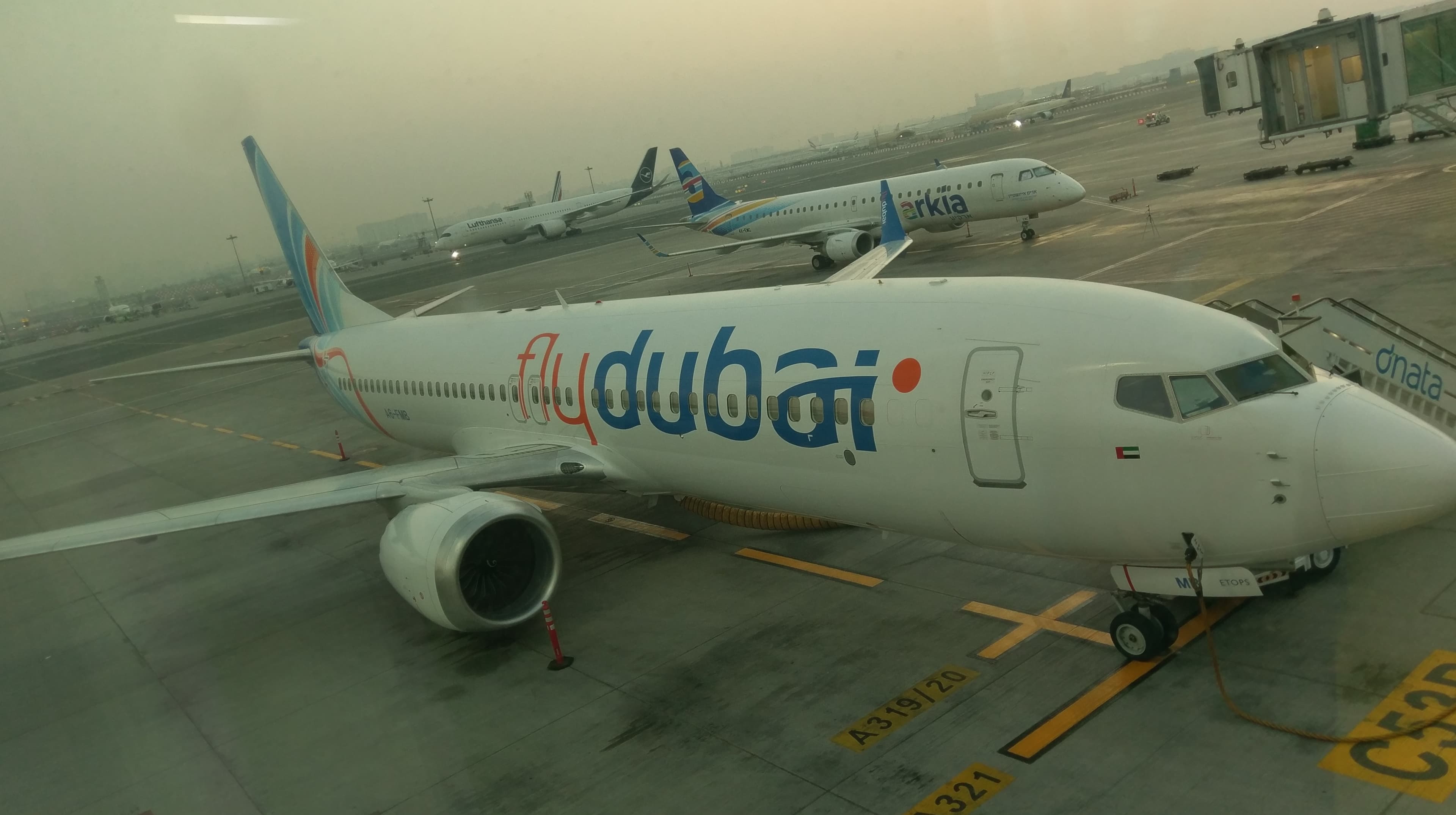
The core fact of the Flydubai FZ1073 incident is serious enough without embellishment: Saudi authorities said their initial investigation found that the co-pilot attacked the captain during a flight bound for Tel Aviv, after which the aircraft landed in Saudi Arabia.
The harder question is what that incident proves beyond the conduct inside the cockpit.
Israeli Prime Minister Benjamin Netanyahu (opens in a new tab) said the co-pilot was suicidal and had undergone radical Islamic indoctrination. That is a claim from a political leader, not the same thing as a completed investigative finding about motive.
This distinction becomes particularly important because Israel is in an election period. Reporting aggregated by the Foundation for Defense of Democracies noted that political supporters and opponents were already incorporating the episode into domestic debate. The incident therefore moved almost immediately from aviation security into political narrative.
Factrail should resist that acceleration.
An attack inside a cockpit raises concrete questions that investigators can answer: how a weapon or dangerous object reached the flight deck, what security procedures failed, whether warning signs existed, what communications occurred before the event, what the suspect said or did, and what evidence supports any ideological motive.
“Radicalised” is not a mechanical description like altitude or flight number. It is an explanatory claim. It implies a causal pathway from belief or indoctrination to violence. Establishing that requires evidence about the individual, not merely the nationality, religion or destination involved.
That does not mean Netanyahu’s claim must be false. It means it should remain attributed to him until investigators provide evidence capable of independently supporting it.
The same principle applies to the political use of heroism. Israeli President Isaac Herzog said he would recommend civilian honours for passengers who intervened. Accounts of passengers restraining an attacker may ultimately be well supported. But narratives of heroism, terrorism and national resilience can quickly become part of election campaigning, particularly after an event involving a flight to Israel during a broader regional war.
None of that invalidates the passengers’ actions. It changes the accountability question from what individuals did to how institutions use the event afterward.
There is also an interstate consequence. FDD's October 2 roundup cited reporting that El Al cancelled rescue flights after Israeli carriers lost permission to land in Dubai. If confirmed and sustained, a crime aboard one commercial aircraft can therefore generate effects across aviation links between countries.
That is where a second causal chain appears:
an act aboard one aircraft produces a security investigation; the investigation changes perceived risk; perceived risk changes regulatory or airline decisions; those decisions affect passengers and bilateral connectivity.
The broader political system then decides how much meaning to attach to the incident.
For a Factrail treatment, the most important discipline is to prevent those layers from collapsing into one another. The co-pilot’s reported attack is an event. The motive is an investigative question. Netanyahu’s radicalisation statement is an attributed political claim. Any electoral effect would be something measured later, not assumed now.
The attack does not need speculative motive to qualify as serious. Aviation safety depends precisely on determining causes accurately enough to prevent recurrence.
Evidence
The sources this article cites, claim-bearing material first.
- apnews.com · Benjamin Netanyahu | AP News
More analysis
Ranked by shared facts, drivers and people — never by publication date alone.
Articles12
- A Gaza City apartment strike tests what a ceasefire means on the groundAlso covers Benjamin Netanyahu · 3 October 2026
- In Libya, the denial matters more than the rumourAlso covers Benjamin Netanyahu · 3 October 2026
- The October 7 Accountability Fight Is About Who Knew What — and WhenAlso covers Benjamin Netanyahu · 4 October 2026
- A named Hamas target does not erase the civilian bill from an Israeli strikeAlso covers Benjamin Netanyahu · 4 October 2026