Pressure on Iran Is Becoming a System, Not a Single Strike
TL;DR
Military reinforcement, economic isolation and contested navigation through Hormuz are converging into one coercive system. That makes accountability harder, not easier: public claims about Iranian weakness must be separated from verified battlefield and shipping evidence, while the civilian economic burden remains visible.
By the Factrail desk · Method: how we source and score · Last reviewed
Article
The pressure campaign against Iran can no longer be understood as a sequence of isolated military events.
Seven months into the U.S.–Iran war, military force, economic restriction, oil-market pressure and control of maritime access are interacting with one another. Bloomberg reported that Washington is reinforcing its regional military presence with another aircraft carrier and roughly 10,000 sailors and Marines while Iran faces extreme inflation, restrictions on crude exports and continued pressure around the Strait of Hormuz. The Japan Times (opens in a new tab)
The danger of this environment is that rhetoric can outrun evidence.
Donald Trump (opens in a new tab) can claim that Iran is close to capitulation. Iranian leaders can claim resilience or military success. Neither statement should be treated as a substitute for observable indicators.
Those indicators include export volumes, inflation, military deployments, verified attacks, shipping behavior and the ability of Iranian forces to impose costs on commercial traffic.
The Strait of Hormuz is especially important because it turns military capability into global economic leverage.
Iran does not need to permanently close the waterway to impose costs. Shipping companies react to risk, insurance markets price uncertainty and naval deployments consume resources. Even unsuccessful or sporadic attacks can therefore create effects beyond their immediate physical damage.
But attribution matters.
Earlier Institute for the Study of War assessments noted gaps between Iranian claims of attacks on commercial vessels and independently reported incidents. That distinction is essential: an Iranian announcement, a maritime warning and a verified strike are different categories of evidence. Institute for the Study of War (opens in a new tab)
The accountability ledger also extends inside Iran.
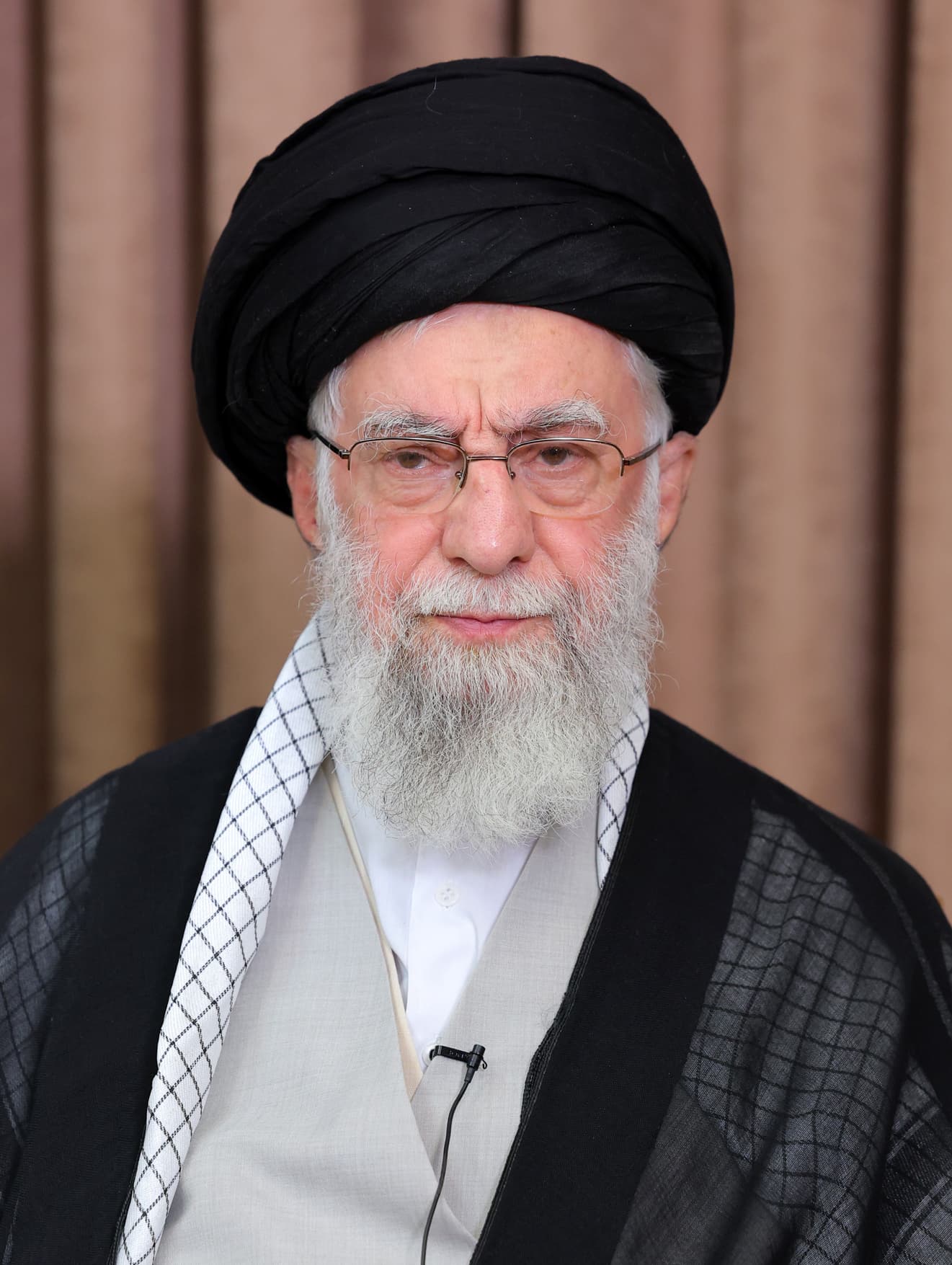
Economic coercion aimed at changing the behavior of Ali Khamenei (opens in a new tab) and the Iranian state is transmitted through an economy inhabited by millions of people who do not control military strategy. Inflation, shortages and declining purchasing power can weaken state capacity, but they also impose welfare losses on households.
That does not make economic pressure inherently illegitimate. It means its effects should be measured rather than rhetorically hidden inside the word "pressure."
President Masoud Pezeshkian (opens in a new tab) operates within a political system in which ultimate strategic authority does not rest solely with the elected presidency. Assigning responsibility therefore requires identifying which institutions actually control military escalation, nuclear policy, maritime operations and negotiations.
The U.S. side requires the same discipline.
If Washington expands military deployments while simultaneously claiming that Tehran is ready to concede, the public should be able to ask what measurable political objective the additional force is expected to achieve, what escalation thresholds govern its use and what conditions would terminate the campaign.
Pressure is a mechanism, not an outcome.
Its success cannot be measured by how much pain it produces. It has to be measured against the political objective that pain is supposed to achieve—and against the human and escalation costs incurred on the way there.
Evidence
The sources this article cites, claim-bearing material first.
- Congress.gov · Public Law 119-1 — Laken Riley Act
More analysis
Ranked by shared facts, drivers and people — never by publication date alone.
Articles12
- Ohio turns foreign-policy power into an electoral bill for Trump's coalitionAlso covers Donald Trump · 4 October 2026
- Trump's 'easy way or hard way' Iran choice puts presidential discretion ahead of the civilian ledgerAlso covers Donald Trump · 4 October 2026
- Why Trump Canceled the Nidal Hasan Execution LivestreamAlso covers Donald Trump · 15 October 2026
- How to Measure Democratic Resilience without Reducing It to a Single ScoreAlso covers Donald Trump · 3 August 2026