Can Trump Lift Mike Collins Against Ossoff?
TL;DR
Trump was due in Dalton on 16 October to campaign for Mike Collins and Rick Jackson, 18 days before Election Day. Current ratings and public polling favored Jon Ossoff.
By the Factrail desk · Method: how we source and score · Last reviewed
Key graph impact
The article explains graph entities; the causal edges belong to the facts and drivers it links to.
- ArticleCan Trump Lift Mike Collins Against Ossoff?
- explainsDriverElectoral Integrity and Competitiveness
- strengthensIndicators (3)Having a say in government
- ArticleCan Trump Lift Mike Collins Against Ossoff?
- explainsDriverPolitical Polarization
- weakensIndicators (2)Having a say in government
- ArticleCan Trump Lift Mike Collins Against Ossoff?
- explainsDriver2024 US election and Trump second presidency
Strengthens · 80% impact strength
Observed
29.8% of population aged 16-65 years · 8.13 below the normal line (2023)
Worse than normalTwo readings: 30.2% of population aged 16-65 years (2021) and 29.8% of population aged 16-65 years (2023).
20212023 Above normal = better
Strengthens · 68% impact strength
Observed
0.53 score from 0 to 1 · 0.34 below the normal line (2024)
Worse than normal125 readings, 1900–2024: rose from 0.17 score from 0 to 1 to 0.53 score from 0 to 1.
Above normal = better
Weakens · 51% impact strength
Observed
45 Score · 45 above the normal line (2024)
Worse than normal7 readings, 2018–2024: rose from 43.8 Score to 45 Score.
Normal is zero · any amount = worse
Strengthens · 45% impact strength
Observed
43.9 Score · 43.9 above the normal line (2024)
Worse than normal26 readings, 1996–2024: rose from 43 Score to 43.9 Score.
Normal is zero · any amount = worse
Article
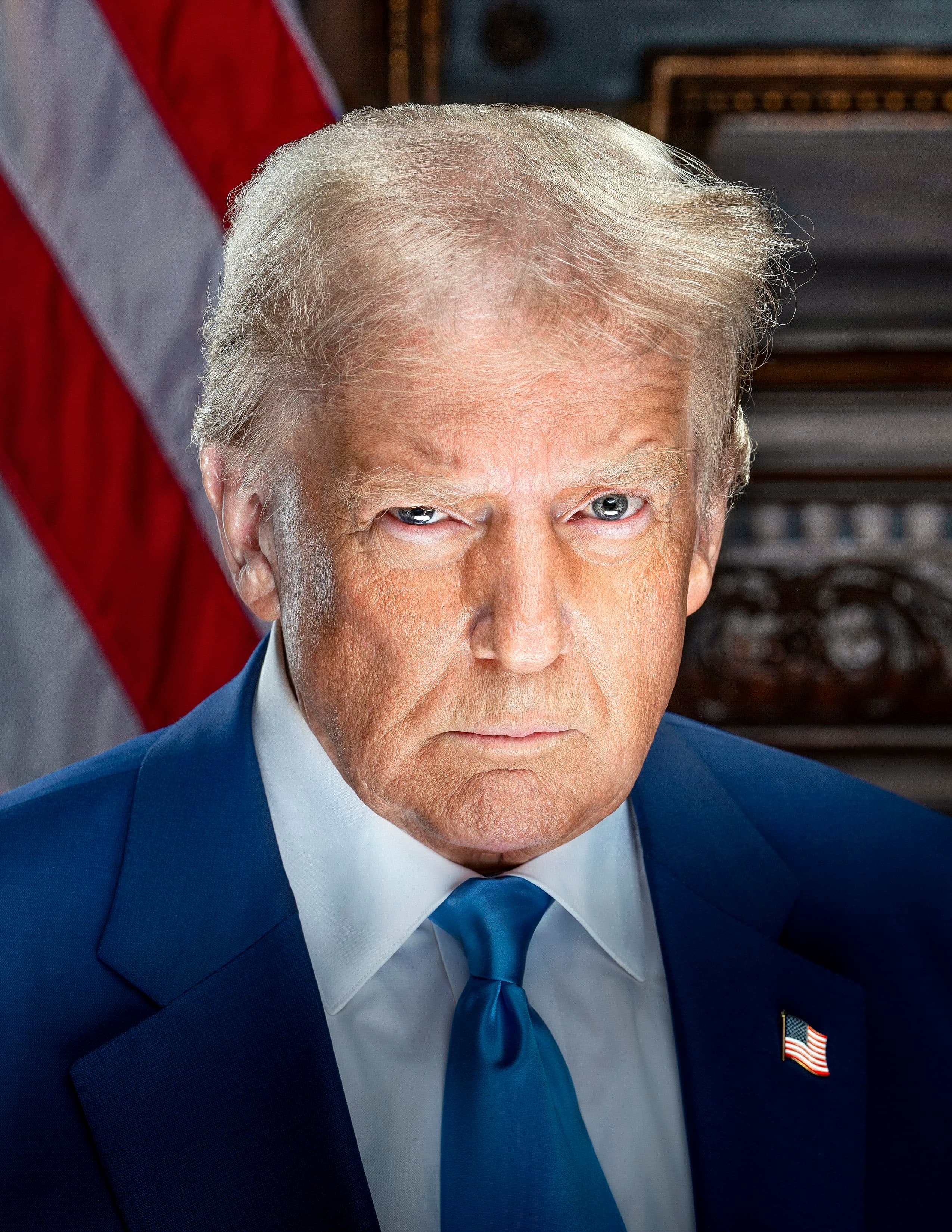
Donald Trump (opens in a new tab) was due in Dalton, Georgia, on 16 October to rally Republicans behind Senate nominee Mike Collins and gubernatorial nominee Rick Jackson, 18 days before the 3 November midterms. The event is a direct test of whether Trump's turnout power can close a race in which incumbent Democratic Senator Jon Ossoff entered the final stretch with a polling and fundraising advantage.
AP's rally preview described a Georgia Republican Party that is not fully unified behind its statewide ticket. Governor Brian Kemp was not expected to attend, and Republican doubts about Collins' viability had surfaced earlier in the campaign. Trump, however, endorsed Collins and is putting his own political capital into a late attempt to tighten the contest.
The race is not being treated as a toss-up
Independent ratings available on 16 October leaned clearly toward Ossoff. The Cook Political Report rating carried by current race aggregators was "Likely Democratic," while Sabato's Crystal Ball was also listed as Likely Democratic and Inside Elections as Lean Democrat. Reuters reported on 12 October that Ossoff held a strong fundraising and polling lead in Georgia. Those labels are forecasts, not votes, and Georgia's recent elections are a reminder that late movement and turnout can matter.
That distinction is why the Dalton rally matters. Trump does not need to prove that Collins is already ahead; he needs to change the composition of the electorate enough to make a likely-D race competitive. His best argument is that national ratings can miss a late surge among infrequent Republican voters who respond specifically to presidential campaigning.
The counterevidence is that enthusiasm cannot compensate indefinitely for structural weaknesses. AP reported fundraising concerns around Collins and internal Republican divisions. Ossoff has also built a large field and donor operation. A one-night rally can generate attention, but the measurable question is whether it changes early-vote participation, volunteer activity and persuasion among voters who were not already committed.
Trump's own record is part of the ballot
The campaign connects directly to the 2024 US election and Trump second presidency (opens in a new tab). Ossoff and other Democrats are making the Georgia race a referendum on Trump's economic and governing record, while Collins is asking voters to strengthen the president's congressional support.
That produces a contradiction for both campaigns. Republicans want Trump's national profile and base turnout but also need suburban and swing voters who may be less supportive of him. Democrats want to nationalize dissatisfaction with Trump while avoiding the assumption that anti-Trump sentiment automatically translates into support for every Democratic candidate.
The political environment is also tied to political polarization (opens in a new tab). AP's preview revisited Trump's baseless claims about the 2020 Georgia result and the lasting divisions they created inside the state's Republican coalition. Those claims are not merely historical color: they shaped relationships among Trump, Kemp and other Georgia Republicans and remain part of the trust problem around elections.
Election integrity requires separating campaigning from administration
The contest also belongs under electoral integrity and competitiveness (opens in a new tab), but not because the current reporting establishes fraud. The opposite is the relevant discipline: a competitive election should be covered through verified rules, turnout and counted votes rather than unsupported fraud allegations.
Collins and Ossoff are entitled to challenge each other's records aggressively. Trump is entitled to campaign for his preferred candidate. Election officials, meanwhile, have a different job: administer voting under Georgia law and report results. Keeping those functions separate is especially important in a state where false claims about the 2020 result caused long-running political damage.
The strongest case for Trump's intervention is electoral rather than ideological. He remains the party's dominant national figure and can draw voters and media attention that Collins could not replicate alone. The strongest criticism is that Trump's presence may also remind moderate voters of the same controversies Democrats want the election to be about.
What to watch after Dalton
Because the rally had not yet concluded at the desk time used for this pack, this article does not invent a speech, crowd figure or post-event polling effect. The receipts available are the scheduled joint appearance, the candidate endorsements, the 18-day countdown and the pre-rally state of the race.
The useful follow-up is data: whether Republican turnout accelerates in the counties where Trump is strongest, whether Collins closes his polling deficit, and whether outside Republican groups increase or redirect spending. If those indicators move, the rally can be treated as part of a real late shift. If they do not, the event will have been spectacle without enough electoral conversion.
For Ossoff, being rated the favorite creates its own danger. A lead can suppress urgency if supporters interpret it as a guarantee. For Collins, the uphill position can motivate a base but also make donors prioritize more competitive races. Neither candidate can bank a forecast as a result.
Questions people ask
Why is Trump rallying in Georgia?
He is campaigning in Dalton to boost Republican Senate nominee Mike Collins and gubernatorial nominee Rick Jackson in the final 18 days before the midterms.
Who is ahead in Collins vs Ossoff?
Current independent ratings and public polling favor Democratic incumbent Jon Ossoff, with Cook Political Report and other forecasters rating the race in the Democratic direction.
How many days to the midterms?
The Dalton rally on 16 October came 18 days before Election Day on 3 November 2026.
Evidence
The sources this article cites, claim-bearing material first.
- CBS News · CBS News — www.cbsnews.com
- pollingsource.com · Georgia Senate Race 2026 | PollingSource
- The Guardian · Jon Ossoff’s rise to US Senate was meteoric – how high can he go?
More analysis
Ranked by shared facts, drivers and people — never by publication date alone.
Articles12
- Can Trump Strip Ilhan Omar's Citizenship? What the Federal Probe Can Actually DoShares the driver: 2024 US election and Trump second presidency · 16 October 2026
- AP-NORC: Why Voters Say Trump Is Failing on the Economy Before the MidtermsShares the driver: 2024 US election and Trump second presidency · 16 October 2026
- Huckabee Denies U.S. Push for a Netanyahu–Eisenkot Unity GovernmentShares the driver: Electoral Integrity and Competitiveness · 16 October 2026
- Fox Poll Puts Trump at 36% Approval as Corruption and Inflation Lead Voter ConcernsShares the driver: Electoral Integrity and Competitiveness · 16 October 2026