Why Is Serbia Protesting? Students vs Vucic Before the 25 October Vote
TL;DR
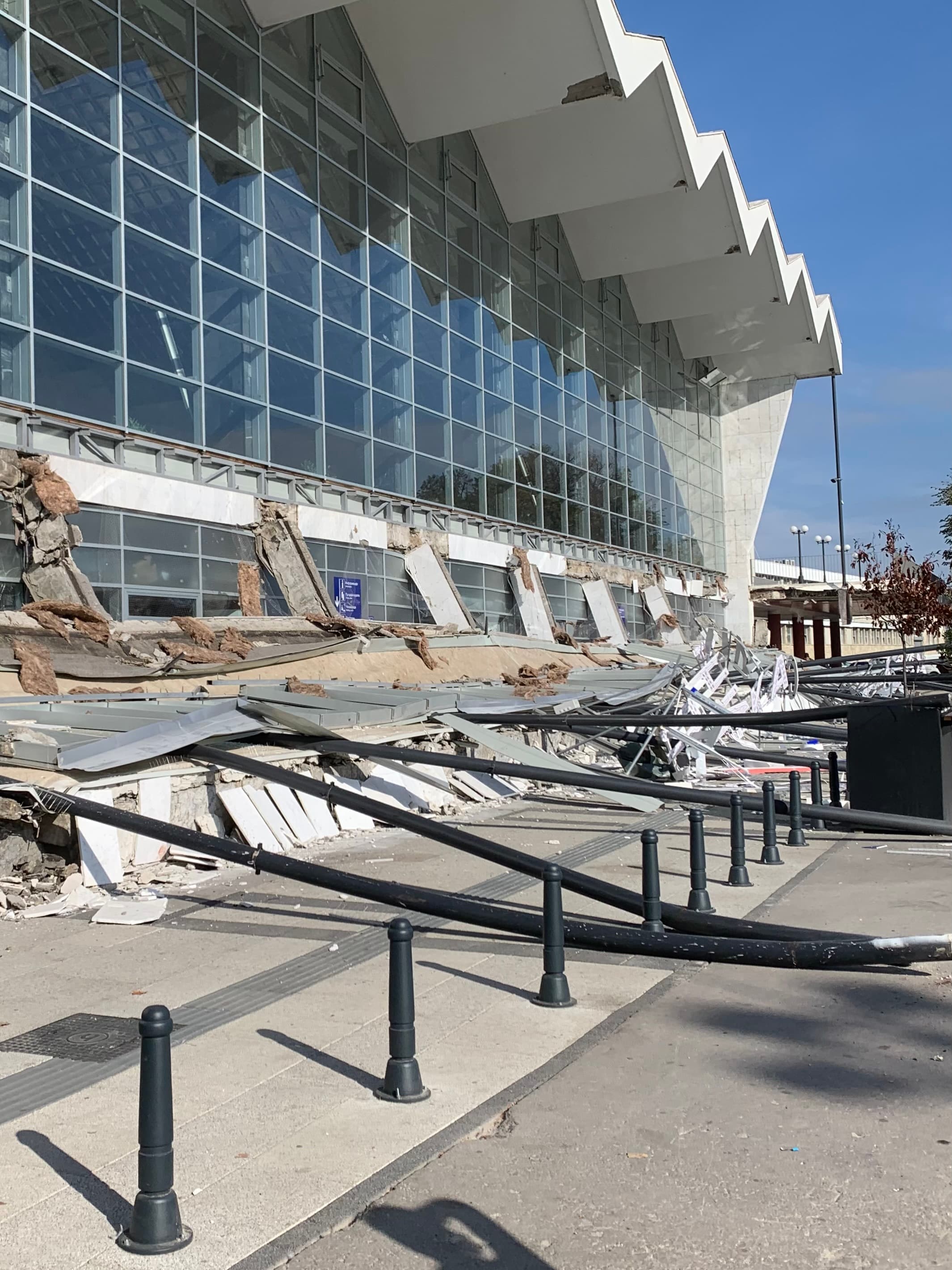
Serbia's protests began after the renovated Novi Sad railway-station canopy collapsed on 1 November 2024, killing 16, as students blamed corruption and impunity and demanded accountability. The movement now confronts Aleksandar Vucic at a snap parliamentary election on 25 October 2026, after he dissolved parliament in September and resigned the presidency on 27 September to seek the prime minister's post.
By the Factrail desk · Method: how we source and score · Last reviewed
Key graph impact
The article explains graph entities; the causal edges belong to the facts and drivers it links to.
- ArticleWhy Is Serbia Protesting? Students vs Vucic Before the 25 October Vote
- explainsDriverNovi Sad station collapse and Serbian protest movement
Article
Serbia's protests began after the Novi Sad railway-station canopy collapse (opens in a new tab) on 1 November 2024 killed 16 people. Students turned the disaster into a sustained challenge over corruption, impunity and institutional accountability, and the movement now confronts Aleksandar Vucic (opens in a new tab) at a snap parliamentary election scheduled for 25 October 2026, after he dissolved parliament in September and resigned as president on 27 September to seek the prime minister's post.
As of 6 October 2026, the central question is no longer only whether officials will be held accountable for Novi Sad. The student protest movement (opens in a new tab) has moved from blockades and mass demonstrations toward an electoral test, while concerns about institutional corruption (opens in a new tab), freedom of assembly (opens in a new tab), pressure on critics and electoral integrity (opens in a new tab) remain part of the dispute.
Why did the Novi Sad disaster trigger protests across Serbia?
The immediate trigger was the collapse of the renovated railway-station canopy in Novi Sad. Sixteen people were killed, and students argued that the disaster raised broader questions about how public works were contracted, supervised and documented. The resulting student protests after Novi Sad (opens in a new tab) spread through universities and cities rather than remaining a local response to one infrastructure failure.
Students have demanded publication of the station reconstruction documents, prosecution of people accused of attacking protesters, the dropping of charges against detained students, increased higher-education funding and early elections. Those demands tied the original disaster to a wider accountability argument: whether state institutions can investigate politically sensitive failures and whether citizens can protest without intimidation or excessive force.
By 15 March 2025, more than 100,000 people marched in Belgrade. The scale mattered because it showed that the dispute had developed beyond campus politics into a nationwide challenge to the governing system.
What are the students trying to change?
The movement's demands combine case-specific accountability with institutional change. Publication of reconstruction records is meant to expose how the Novi Sad project was handled. Demands concerning detained or attacked protesters focus on whether police, prosecutors and other institutions apply the law impartially. Calls for early elections turned the protests into a direct political challenge.
That electoral turn also places Serbia's recent voting record under scrutiny. The December 2023 parliamentary election (opens in a new tab) and international concerns about the 2023 vote (opens in a new tab) form part of the background to current arguments over competitiveness, media access and voter confidence.
The criticism is therefore broader than a single allegation of wrongdoing. Protesters are testing whether accountability mechanisms work when politically connected institutions are involved, while the government and its allies reject claims that Serbia's political system is illegitimate.
Why did Vucic resign before the election?
On 27 September 2026, Vucic resigned as president (opens in a new tab) and entered the parliamentary campaign, seeking the prime minister's post. Ana Brnabic (opens in a new tab) became acting president. Milos Vucevic (opens in a new tab) is also among the senior figures on Vucic's electoral list.
The governing list, "Aleksandar Vucic - United Serbia," qualified with 209,130 valid signatures. The Student List qualified with 69,099 valid signatures, and 16 electoral lists were proclaimed in total.
Polling does not give one settled picture. NSPM put the Student List at 44.4% and Vucic's bloc at 41.7%, while Faktor Plus polling from 16-20 September put Vucic's bloc at 48.6% and the Student List at 37.1%. The divergence means the election should not be described as having a clear polling consensus.
Election monitoring has also become part of the contest. Watchdogs have reported anomalies and alleged unlawful conduct during the candidacy process, including concerns around signature certification. Such findings are allegations and monitoring observations, not by themselves proof that the election result is predetermined.
What is at stake on 25 October?
The election tests whether a protest movement built around accountability can convert street mobilization into parliamentary power. It also tests Vucic's ability to retain political control through a move from the presidency toward the premiership.
For critics, the unresolved issues include accountability for Novi Sad, treatment of protesters, pressure on media and civil society, and the fairness of electoral competition. For Vucic and his allies, the vote offers a democratic mechanism for seeking a renewed governing mandate.
Background: Fico lends political capital to Vucic (opens in a new tab)
Timeline
- 1 November 2024: The Novi Sad railway-station canopy collapses, killing 16 people.
- Late 2024: Student faculty blockades follow, and protests spread across Serbia.
- 15 March 2025: More than 100,000 people march in Belgrade.
- 9 September 2026: Parliament is dissolved for a snap parliamentary election on 25 October.
- September 2026: The governing list and Student List qualify; 16 lists are ultimately proclaimed.
- 27 September 2026: Vucic resigns as president to campaign for the prime minister's post.
- 25 October 2026: Serbia is scheduled to hold the snap parliamentary election.
Questions people ask
Why are Serbian students protesting?
The movement grew after the 1 November 2024 Novi Sad railway-station canopy collapse killed 16 people. Students have demanded reconstruction records, accountability for attacks on protesters, relief for detained students, more university funding and early elections.
When is the Serbian election in 2026?
The snap parliamentary election is scheduled for 25 October 2026.
Why did Vucic resign as president?
Aleksandar Vucic resigned on 27 September 2026 and entered the parliamentary campaign seeking a route back to executive power as prime minister.
Evidence
The sources this article cites, claim-bearing material first.
- Election Tracker · Serbia 2026 parliamentary election
- Serbian Monitor · Deadline expires: RIK proclaims 16 electoral lists
- Al Jazeera · Serbia's snap election: Can Vucic outmanoeuvre the student revolt?
- Balkan Insight · From streets to polling stations: Serbia's student movement takes electoral test
- MR East · Poll puts Student List ahead of Vucic's bloc in Serbia