Brazil COVID-19 response and Senate pandemic inquiry
Brazil's Senate opened a parliamentary inquiry into the federal government's COVID-19 response in April 2021, after one of the world's deadliest national pandemic tolls. At stake is government accountability for procurement, public messaging, health-system pressure and delays or failures during a mass-casualty public-health emergency. It was set in motion by “Senate COVID inquiry (CPI) opens” (27 April 2021).
Read the full background
Brazil's Senate opened a parliamentary inquiry into the federal government's COVID-19 response in April 2021, after one of the world's deadliest national pandemic tolls. At stake is government accountability for procurement, public messaging, health-system pressure and delays or failures during a mass-casualty public-health emergency.
The inquiry examined the Bolsonaro administration's pandemic conduct, including vaccine procurement, promotion of unproven treatments and federal-state coordination. The inquiry was run by the Federal Senate of Brazil.
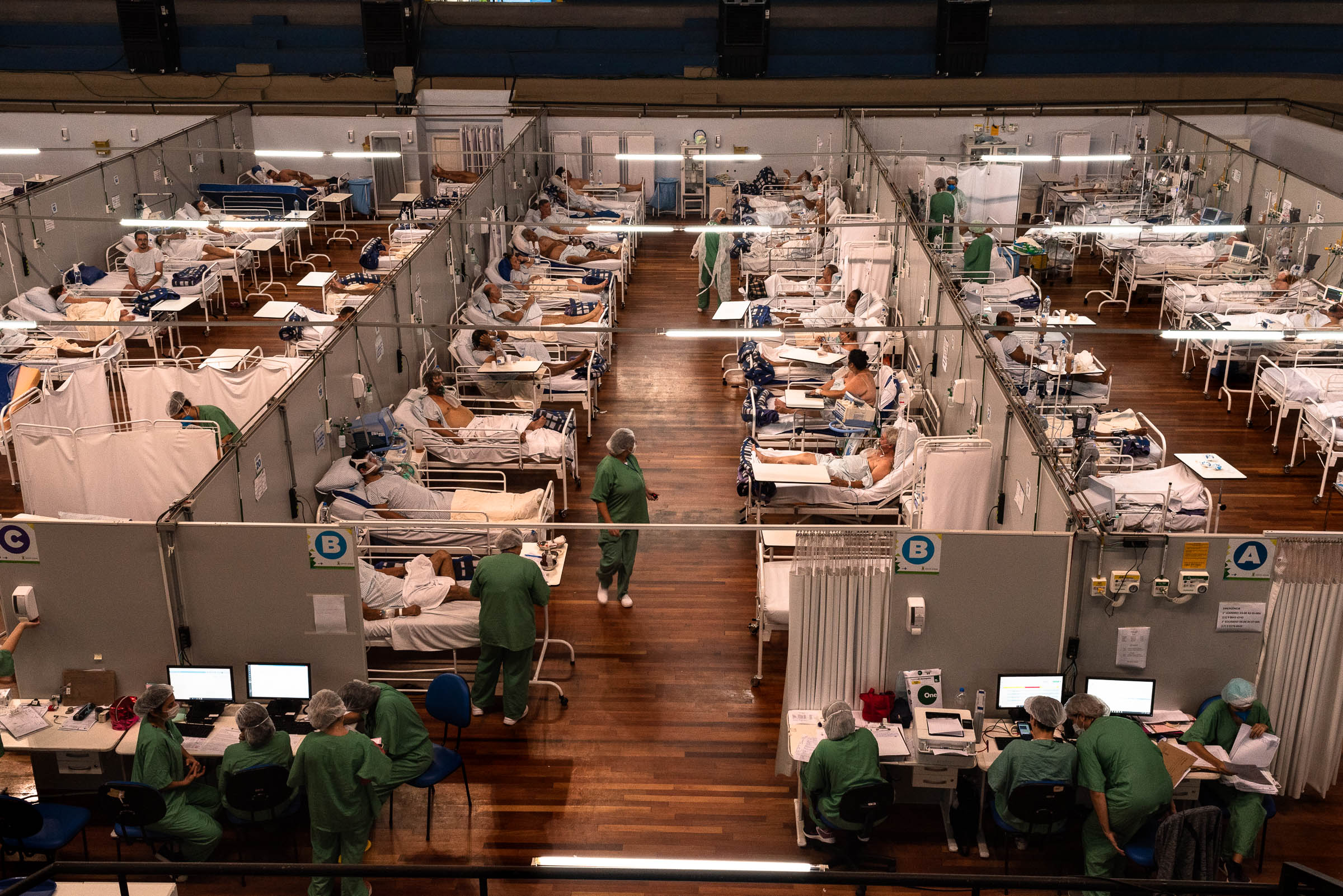
Brazil was among the countries hit hardest by the COVID-19 pandemic, with more than 700,000 recorded deaths. The cost was measured first in deaths, illness, hospital overload and lost income. The World Health Organization maintains Brazil's cumulative case and death series in its COVID-19 dashboard (opens in a new tab), while Brazil's own health authorities provide national reporting.
Bolsonaro repeatedly minimized parts of the public-health response and criticized restrictions while the federal government still bore responsibility for national health coordination and vaccine purchasing. Supporters argued that lockdowns had severe economic costs and that states held substantial authority over restrictions. Both points matter, but they do not answer whether the federal government acted promptly on vaccines and evidence.
The committee's final report, approved in October 2021, recommended charging Bolsonaro with nine offences, including crimes against humanity and charlatanism, and sent its findings to the prosecutor-general and other authorities.
The durable accountability questions are what prosecutors, courts and auditors did with the Senate's referrals, how procurement and emergency rules were changed, and whether public-health institutions can retain trust before the next outbreak. The strongest defence of the Bolsonaro administration is that Brazil faced a novel pathogen under a federal system with divided authority and real economic trade-offs; the evidence-based response is that those constraints do not remove responsibility for documented federal choices.
Key facts moving this driver
Ranked by impact weight, then verification, then recency.
Causal path
Facts move the driver; the driver moves indicators. Open the full network to inspect each link.
- Facts1 recorded
- moveDriverBrazil COVID-19 response and Senate pandemic inquiry
Evidence
Review status of the facts behind this driver.
Documented Apr 2021 – Apr 2021
How Factrail grades evidenceBy the Factrail desk · Method: how we source and score · Last reviewed
Questions
Did the Senate inquiry convict Bolsonaro?
No. A parliamentary inquiry can only recommend charges; decisions to prosecute belong to prosecutors and courts.
Why did the inquiry matter?
It assembled testimony and documents about federal pandemic decisions and created a public record for prosecutors, voters and future policy.
What is the clearest measure of the crisis?
The national death and hospitalization burden, combined with the timing of vaccines, public-health measures and federal coordination.
When did Brazil COVID-19 response and Senate pandemic inquiry start?
27 April 2021: Senate COVID inquiry (CPI) opens.