Tsai Ing-wen election and DPP consolidation
Tsai Ing-wen's electoral rise reshaped Taiwan's party balance and cross-strait politics by giving the Democratic Progressive Party both the presidency and, for the first time, a legislative majority. At the January 2016 election Tsai defeated the Kuomintang candidate Eric Chu, following public dissatisfaction with President Ma Ying-jeou's approach to closer economic engagement with mainland China.
Read the full background
Taiwan’s Democratic Progressive Party and its electoral coalition
Tsai Ing-wen's electoral rise reshaped Taiwan's party balance and cross-strait politics by giving the Democratic Progressive Party both the presidency and, for the first time, a legislative majority. At the January 2016 election Tsai defeated the Kuomintang candidate Eric Chu, following public dissatisfaction with President Ma Ying-jeou's approach to closer economic engagement with mainland China. Tsai took office on 20 May 2016. Her victory showed that Taiwan's electorate could transfer executive power through competitive elections while fundamentally disagreeing over the political terms of relations with Beijing. The vote did not constitute public consent to a unilateral declaration of independence.
The DPP's legislative success in 2016 expanded the government's capacity to pass domestic reforms without negotiating every bill with the main opposition. Tsai's administration pursued pension changes, transitional-justice measures and social policy reforms, often prompting protests. In June 2017 lawmakers passed major pension legislation affecting civil servants and public-school employees, which Tsai defended in a public statement on 30 June. Protests from retirees demonstrated that holding a parliamentary majority did not make economic sacrifices politically consensual. The DPP acquired greater responsibility for policy outcomes precisely because it held more of the institutional tools needed to implement its program.
Cross-strait relations became more tense after Tsai refused to endorse Beijing's preferred interpretation of the 1992 Consensus. Mainland Chinese authorities reduced official exchanges and increased pressure on Taiwan's diplomatic partners. The confrontation involved rival understandings of sovereignty and the island's democratic choices, rather than merely a personality clash between leaders. Beijing's later military demonstrations and diplomatic isolation campaigns formed the external context in which Tsai's domestic record was judged. Taiwan's voters also scrutinized wages, housing, labor standards and administrative performance, which were not reducible to the security issue.
Tsai's re-election on 11 January 2020 was decisive. Taiwan's Central Election Commission recorded 8,170,231 votes for Tsai, approximately 57.13% of valid votes, compared with about 38.61% for Kuomintang challenger Han Kuo-yu. Turnout reached around 74.9%. The large margin contrasted with the DPP's losses in 2018 local elections, showing that local governance dissatisfaction and presidential choices could diverge. Events in Hong Kong during 2019, including protests over proposed extradition arrangements, intensified public discussion of Beijing's political assurances and Taiwan's autonomy.
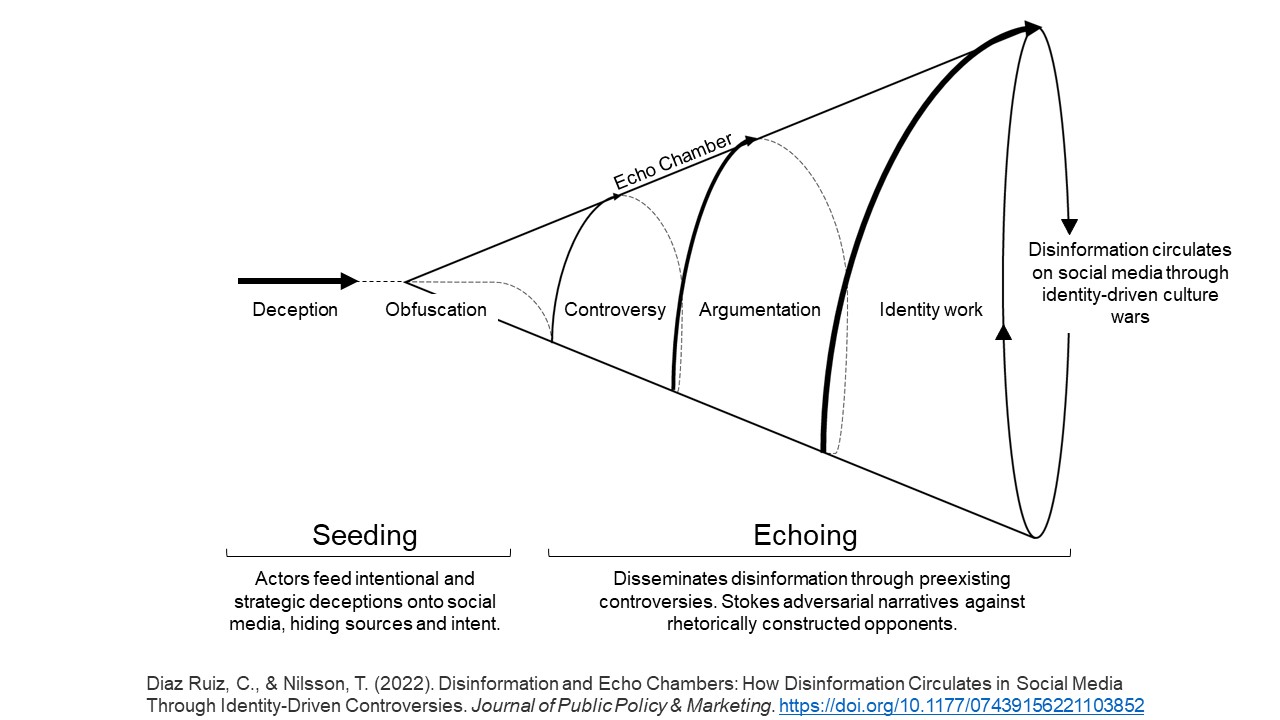
The elections are central to political competition because voters twice conferred and renewed executive authority through the ballot. Beijing's posture and Taiwan's responses affected Taiwan Strait risk. Contested election messaging and influence claims also relate to disinformation ecosystems, although direct attribution requires incident-specific proof rather than presuming all opposition views are externally directed. Successful transfers and renewed mandates mattered for democratic resilience. Tsai Ing-wen governed within constitutional checks, legislative votes and periodic elections. Her strongest contribution was preserving a competitive political system under intensifying outside pressure; her government's pension and domestic reforms still required evaluation on their separate merits.
Evidence
Review status of the facts behind this driver.
By the Factrail desk · Method: how we source and score · Last reviewed