California Wealth Tax: $130m Opposition Before the Vote
Published Factrail
Summary
California votes on a one-time billionaire wealth tax worth tens of billions, as opponents warn that future income taxes and healthcare budgets could suffer.
Report
California's Proposition 40 places a one-time 5% wealth tax on billionaires before voters on November 3, with healthcare spending and future state tax receipts at stake. Supporters would gain a dedicated funding stream for healthcare and social services; wealthy taxpayers would bear the direct levy if it becomes law. The state's fiscal analysts project tens of billions in temporary collections but warn that a longer-term loss of some income tax revenue is possible. Opposition groups reported more than $130 million in contributions through October 22, against about $33 million in support.
The proposal is not an ordinary increase in the annual income tax. According to the official guide, it applies to people with net worth above $1 billion who were California residents on January 1, 2026. The tax is equal to 5% of covered net worth, with a paid option to spread payments across five years. Real estate, pensions and retirement accounts are generally excluded. That distinction matters for business founders whose fortunes consist largely of corporate shares rather than cash that can be immediately used to satisfy a tax obligation.
The proposed allocation is unusually explicit: 90% of the collections would go to healthcare and the remainder to food assistance, education and administration. The measure also exempts these revenues from some otherwise applicable constitutional spending constraints. Supporters say the windfall would help offset pressure on medical services. But even a large one-time receipt does not automatically solve a recurring annual funding gap. Legislators would still have to decide how to sustain operations after the levy has been collected.
California's Legislative Analyst's Office says the temporary revenue could amount to tens of billions of dollars spread across several years. It declines to promise the roughly $100 billion emphasized by advocates because asset valuations, taxpayer decisions and collection schedules are uncertain. The same official analysis says the state may lose less than $1 billion a year in existing income-tax revenues if some wealthy households change tax behavior or relocate. These are estimates under assumptions; they are not actual 2027 receipts or proof of a later exodus.
The campaign's financial asymmetry is documented. California's Secretary of State listed $130,344,804 in opposition contributions and $33,413,577 in supporting contributions through October 22. A major opposition committee accounted for approximately $118.7 million. Contributions are not the same as spending, and totals may change after the disclosure snapshot. Nonetheless, voters can see whose interests are financing persuasion efforts. The evidence supports a conclusion about an expensive political battle, not a claim that particular donations purchased a governmental decision.
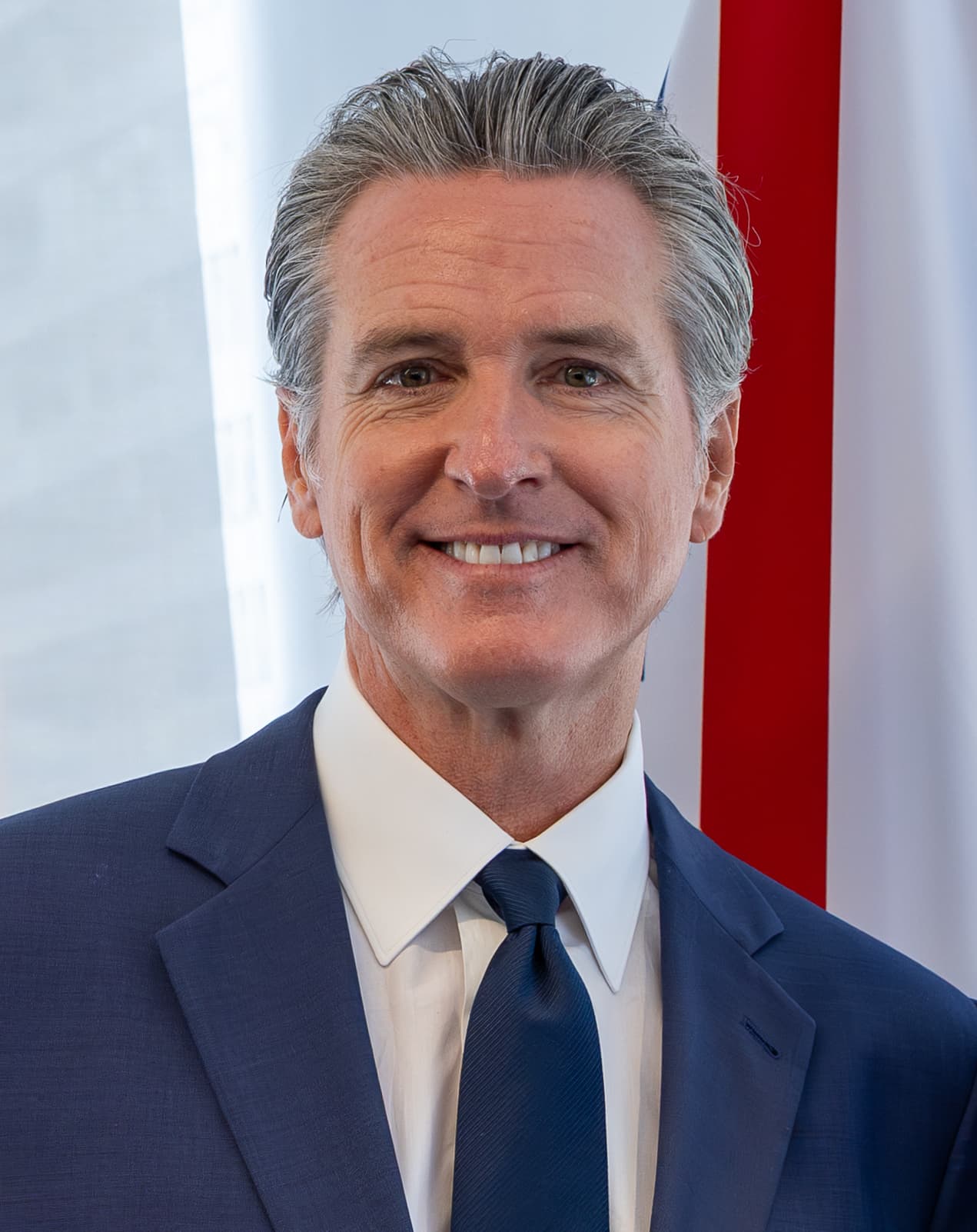
Governor Gavin Newsom has opposed the state wealth-tax approach, according to Associated Press reporting, while healthcare union advocates and Senator Bernie Sanders support it. The disagreement cuts across familiar partisan lines and reveals competing assumptions about tax competitiveness and healthcare financing. Supporters say the ultrawealthy can bear more of the costs of public services; opponents argue that a badly designed tax could undermine California's future revenue base. Each side should be judged against its actual forecasts and the fiscal results that eventually follow.
The legal position is more complicated than simply winning a majority. The official state analysis says competing propositions 41 and 42 may conflict with Proposition 40. Under certain vote combinations and court interpretations, one of those measures could prevent the wealth tax from taking effect even if Proposition 40 receives majority support. The legislature, courts and fiscal agencies would then have separate roles. Any article declaring the tax operative before those contingencies are resolved would go further than the official materials permit.
For ordinary residents, the welfare consequences depend on the translation from gross receipts to actual services. A healthcare program may avoid cuts if money is appropriated and delivered; a household may face lower out-of-pocket expenses if access and program rules improve. But a taxpayer-funded service does not automatically reduce insurance premiums or waiting times. The household purchasing power driver (opens in a new tab) is relevant because medical expenses can compete directly with spending on rent, food and transportation. Evidence of that benefit requires real program data.
The White House (opens in a new tab) and President Donald Trump (opens in a new tab) influence federal tax and healthcare spending policies, but California voters and institutions control this state ballot proposition. The distinction prevents the federal-state argument from becoming a substitute for accountability. Supporters who blame federal cuts should cite the particular funding mechanism and timeframe; opponents who predict economic damage should show the assumptions for mobility and investment responses. Neither side can substitute campaigning language for audited figures.
What it moves: potential receipts from a new wealth tax, ongoing personal-income-tax revenues, spending on public healthcare services and eventual household medical costs. These indicators can move in different directions. A high initial tax yield could coexist with a lower future recurring tax base; improved program financing could take time to reach patients. A useful public audit would track each measure separately and explain whether changes come from the levy, other state decisions or federal policy.
The next tests include certified results for propositions 40, 41 and 42, possible legal challenges and later budget documents specifying collection and expenditure. Campaign contribution records should be revisited after the election, because the October 22 figures are not final election-cycle spending totals. California's choice is about who bears healthcare financing pressure and which revenue risks the state accepts. The eventual answer cannot be reduced to a single election-night percentage.
Sources
- California Secretary of State, Proposition 40 Fiscal Analysis (opens in a new tab)
- Legislative Analyst's Office, Proposition 40 (opens in a new tab)
- California Secretary of State, Official Title and Summary (opens in a new tab)
- California Secretary of State, Campaign Contributions (opens in a new tab)
- California Secretary of State, Arguments and Rebuttals (opens in a new tab)
- KQED, Proposition 40 Voter Guide (opens in a new tab)
- Associated Press, California Wealth Tax and Opposition (opens in a new tab)