DOJ Sends 1,000 Election Monitors: Who Has Authority?
Published Factrail
Summary
The Justice Department deploys about 1,000 election observers to all 50 states. What they can legally do, where disputes stand and how voters are affected.
Report
A national deployment with a local limit
The U.S. Justice Department said on November 3 that it would dispatch approximately 1,000 election monitors and observers across all 50 states for the midterm election. The department describes its operation as the largest of its kind, coordinated through the Civil Rights Division. That scale is an official statement, not a finding that every polling station has faced misconduct or that the election result is compromised. The practical question is whether personnel observe compliance with voting-rights protections without disrupting voters and poll workers. Local election officials retain their legal responsibilities. As voting continues, no lawful result should be inferred from the presence of a federal monitor or from an allegation that has not been tested against evidence.
What the department says
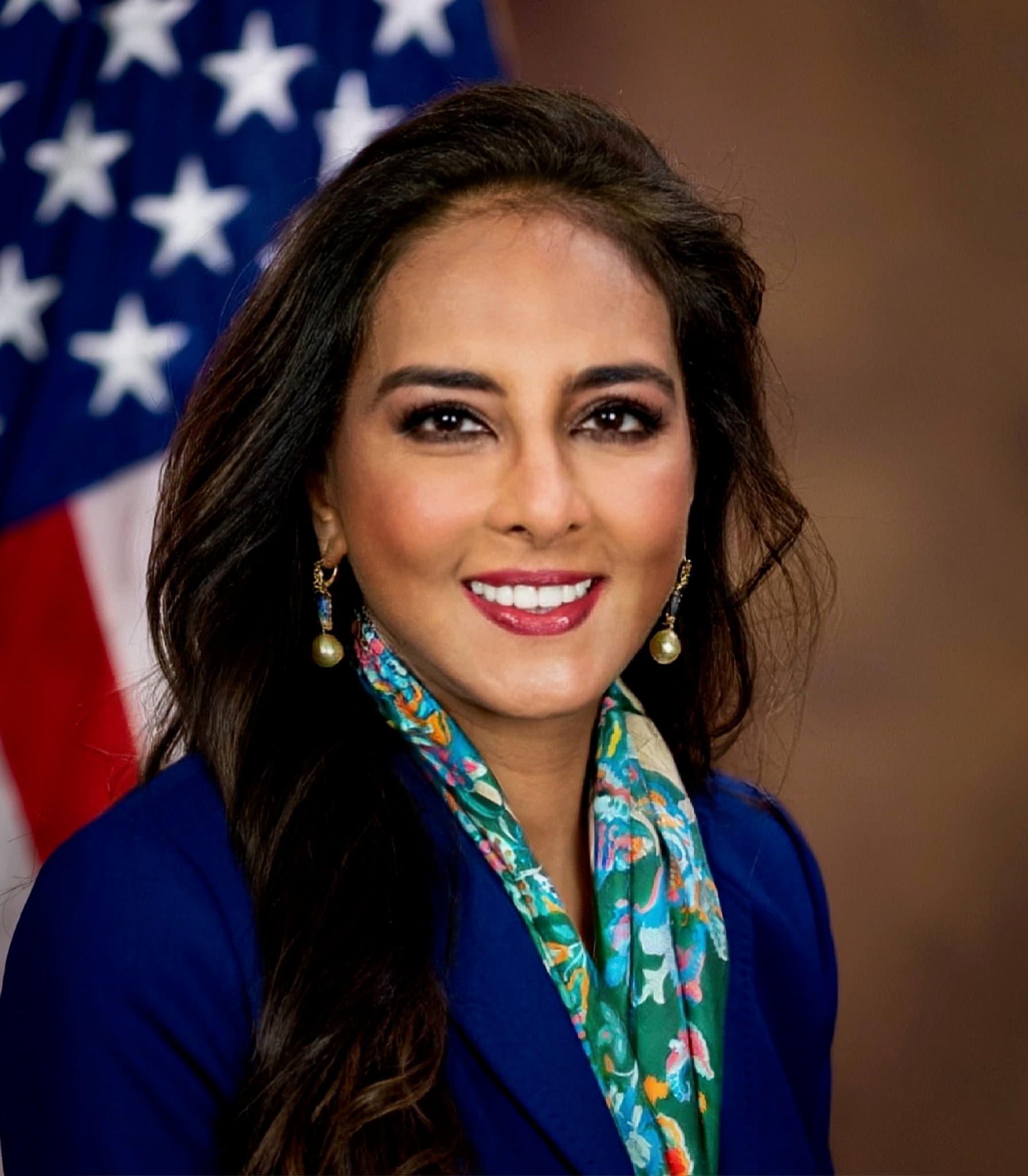
Assistant Attorney General Harmeet Dhillon said the deployment would support election integrity and transparency. The department's release identifies counties and cities across the country and invokes statutes including the Voting Rights Act, the National Voter Registration Act, the Help America Vote Act and disability-rights protections. Federal officials can receive complaints and observe matters within the scope of federal law. That does not confer a general power to run state elections. Rules on entering polling places, recording observations and communicating with election administrators still matter, and they can vary by jurisdiction. Election monitoring can serve a legitimate public function when it identifies discrimination, intimidation or barriers faced by disabled voters.
Why the scale alarms critics
Reuters reported ahead of Election Day that state officials had devised their own systems to watch federal monitors. In Minnesota, staff had previously been paired to track visiting federal lawyers during a primary. California officials also prepared oversight measures. Their concerns stem from an expanded federal role during a sharply partisan campaign and separate litigation over voter data and ballot handling. Critics argue that armed or coercive-looking federal personnel could deter voters, particularly in communities where immigration enforcement has generated fear. That is a concern to be assessed, not proof that every monitor acts improperly. Conversely, the department's account of its mandate is not proof that every interaction will be benign.
The rules federal observers must follow
An October court filing described by Reuters said the Justice Department would not use FBI or Immigration and Customs Enforcement personnel as polling-place monitors. The filing also said monitors would not carry firearms and should not interfere with voting. DOJ monitors principally observe and take notes rather than conduct investigations on the spot. If a voter has a problem, the first operational point of contact is typically the local election authority. Threats or violence are matters for emergency services and law enforcement, with subsequent civil-rights complaints assessed through appropriate channels. A monitor is not a substitute election judge, polling-place manager or ballot counter. These distinctions should be explained plainly wherever federal officials are present.
The political responsibility chain
The executive branch led by Donald Trump (opens in a new tab) controls the department's leadership, and its Civil Rights Division decides how federal monitoring resources are deployed. But state legislatures and local officials set and administer much of the election machinery, subject to federal constitutional and statutory safeguards. Congress writes federal election laws, and courts can limit or review disputed executive actions. The White House (opens in a new tab) may claim credit for stricter election monitoring, while opponents can challenge particular policies in court. None of those institutions can credibly substitute partisan assertion for certified counts. A voter should be able to cast a valid ballot regardless of which party controls federal enforcement.
What voters should distinguish
A large number of observers is not a turnout figure, a fraud count or an election result. The Associated Press reported that voting had generally proceeded with relatively few problems despite intense public anxiety. Isolated equipment issues and severe weather can create local obstacles, but those do not establish a nationwide pattern of manipulation. Voters can check official county instructions on polling locations, provisional ballots and how to resolve identification or accessibility problems. The public has reason to demand documentation of any serious alleged interference, including location, time, the official response and any court finding. Spreading unsourced allegations can itself make voting and certification harder.
Money and human consequences
Federal monitoring uses personnel time, travel and administrative support, although the department's release did not establish a verified total cost per voter or per jurisdiction. States may also spend staff hours ensuring monitors respect local procedures. The larger human cost would arise if a legally eligible voter were deterred, a line became unmanageable or an official incorrectly rejected a ballot. The potential benefit is that an observed violation can be documented and remedied. Quantifying those effects requires incident reports, judicial decisions and voter-access data rather than assuming an outcome from one press statement. For households, access to representation influences later decisions about taxes, health coverage, inflation and public services, even though observers themselves set none of those policies.
What it moves
The immediate indicator is voting access: documented complaints, wait times, ballot rejection rates, accessibility accommodations and any substantiated intimidation incidents. A second is public trust, which cannot be inferred from the number of monitors alone. The democratic resilience (opens in a new tab) of the process depends on whether state authorities administer voting consistently and whether disputes are resolved through law rather than threats. Congress's eventual composition will affect oversight and the direction of fiscal and immigration policy, but no winners are established by the deployment announcement. The observable test is whether documented violations decrease without eligible people being discouraged from participating.
The evidence test after polls close
DOJ should publish a transparent account of jurisdictions visited, incidents observed, referrals made and allegations ultimately substantiated, without compromising private voters. States should publish their own records of interactions with federal personnel and any corrective measures. Courts can examine conflicts over observer access and ballot handling. Reporters should distinguish a federal press release, an eyewitness account, an allegation and a judicial finding. A meaningful accountability review compares the benefits of protecting civil rights with any documented disruption or intimidation. This is a matter of conduct and evidence, not simply whether the federal or state official involved belongs to a particular political camp.
Sources
- DOJ — Monitoring elections in all 50 states (3 Nov 2026) (opens in a new tab)
- Reuters — Justice Department identifies monitor locations (3 Nov 2026) (opens in a new tab)
- Axios — 1,000 monitors deployed (3 Nov 2026) (opens in a new tab)
- Reuters — States monitoring federal monitors (21 Oct 2026) (opens in a new tab)
- Reuters — FBI and ICE excluded from election monitors (28 Oct 2026) (opens in a new tab)
- Associated Press — Election Day monitoring (3 Nov 2026) (opens in a new tab)
- Associated Press — Thousands of observers expected (Oct 2026) (opens in a new tab)
Sources & evidence
| Source | Publisher | Type |
|---|---|---|
| justice.gov/opa/pr/doj-monitor-elections-all-50-states-first-time | — | government |