Masoud Pezeshkian Replaced His Oil Minister. Iranians Still Carry the Cost of the Fuel Crisis.
TL;DR
Mohsen Paknejad's departure puts a personnel change on top of a deeper wartime energy failure: squeezed crude exports, fuel shortages and queues, damaged infrastructure and a government struggling to protect household supply.
By the Factrail desk · Method: how we source and score · Last reviewed
Article
Iran has changed the official running its oil ministry. It has not changed the conditions that made the job increasingly punishing.
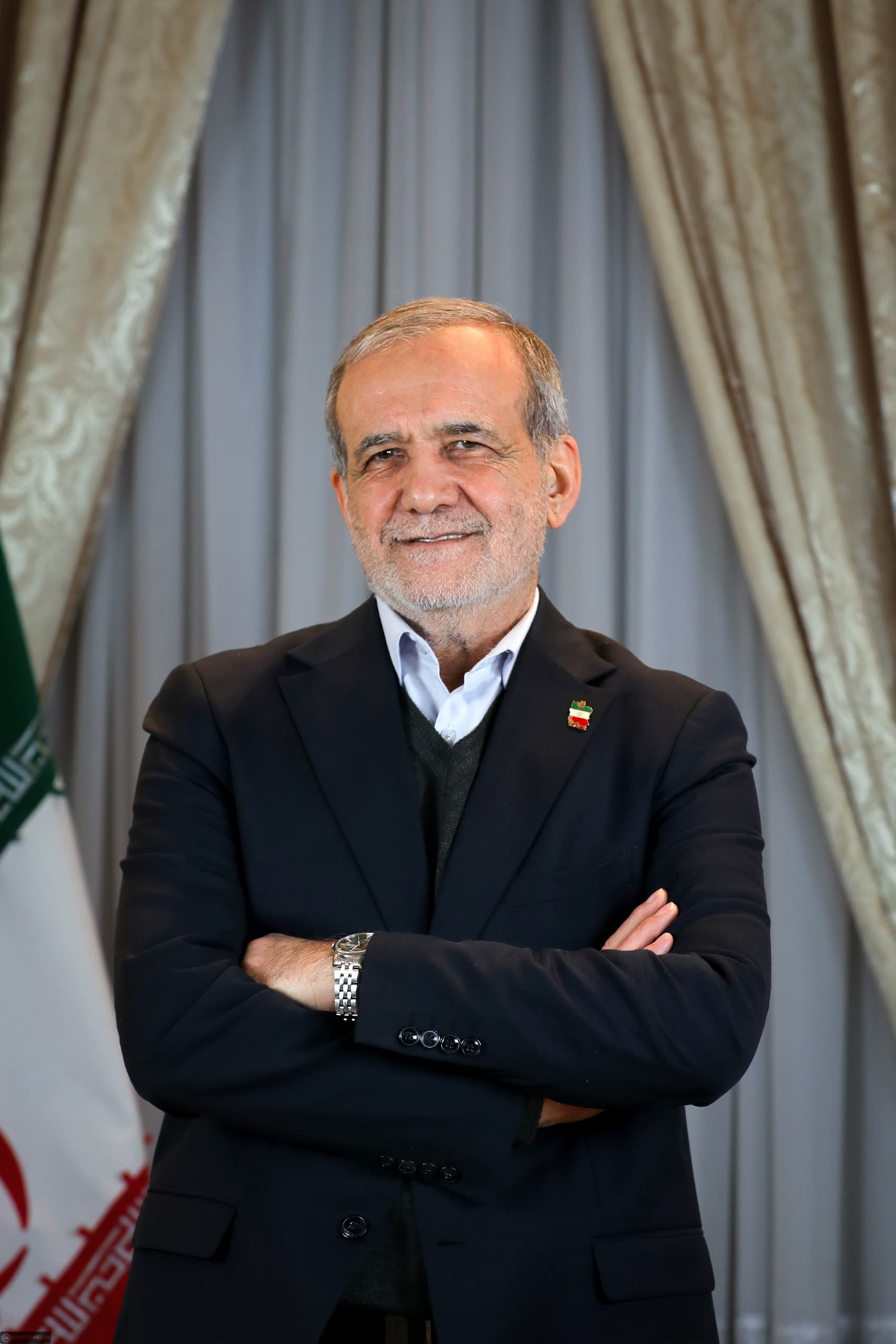
Oil Minister Mohsen Paknejad resigned, officially for personal reasons, and President Masoud Pezeshkian (opens in a new tab) accepted his departure. Hamid Bovard, chief executive of the state-run National Iranian Oil Company, was appointed acting minister. Reuters (opens in a new tab) confirmed the resignation and replacement.
The personnel change comes under extraordinary pressure. The National (opens in a new tab) reported fuel shortages and queues, pressure on crude exports and a domestic petrol deficit that has already pushed the government to raise the price applied above the subsidized monthly allocation.
For an oil-producing state, queues for fuel are not just an inconvenience. They are a distributional verdict.
Iran possesses enormous hydrocarbon resources, but citizens do not consume geological reserves. They consume fuel that must be extracted, refined, transported, financed and delivered through infrastructure that is functioning inside a state under sanctions and war pressure. Failure anywhere along that chain moves the cost toward households.
That makes Paknejad's departure an accountability marker rather than an explanation.
If the minister resigned for personal reasons, as officials say, that should not be converted without evidence into an admission of policy failure. But the timing still reveals the environment in which Pezeshkian's economic team is operating. Iran's energy system has been hit by conflict, export restrictions, infrastructure damage and domestic supply imbalances. Replacing the minister changes the administrator. It does not repair those causal pressures.
Nor does responsibility stop with the presidency.
Iran's political system divides authority across elected institutions, security organizations and the office of Supreme Leader Ali Khamenei (opens in a new tab). Strategic decisions that shape confrontation with the United States and Iran's wider security posture have consequences far beyond the ministries tasked with managing their economic aftermath.
That distinction matters for public accountability. When fuel becomes scarce, governments can present shortages as an externally imposed cost. External pressure is real. Sanctions, military action and restrictions on shipping can materially constrain an economy.
But describing the external cause does not eliminate the responsibility of domestic decision-makers to account for the policies that exposed citizens to that risk, the preparation made for foreseeable disruption and the distribution of remaining resources once disruption occurred.
Pezeshkian now has a new acting minister. The useful test is not whether Hamid Bovard can produce reassuring statements. It is whether household conditions improve: fewer shortages, more reliable supply and an energy policy whose costs are transparent rather than displaced onto citizens through queues, inflation and emergency price changes.
There is also a broader contradiction at the center of Iran's energy politics. Oil provides the state with revenue and geopolitical leverage. Dependence on that same sector creates vulnerability when exports are disrupted and infrastructure is damaged. A system designed around strategic oil power can therefore transmit geopolitical confrontation back into ordinary life with unusual force.
Paknejad's resignation does not resolve that contradiction.
It simply gives Iran a new official standing at the point where the contradiction is managed.
For citizens waiting for fuel, the distinction between a minister leaving for personal reasons and an administration reshuffling under pressure matters less than whether the system can reliably provide an essential commodity.
That is the accountability chain worth watching: strategic choices at the top, external retaliation and restrictions, pressure on exports and infrastructure, domestic shortages, then the household standing in line.
Evidence
The sources this article cites, claim-bearing material first.
- apnews.com · Masoud Pezeshkian | AP News
More analysis
Ranked by shared facts, drivers and people — never by publication date alone.
Articles12
- Mohsen Paknejad leaves Iran's oil ministry while ordinary Iranians queue for fuel.Also covers Masoud Pezeshkian · 5 October 2026
- Ali Khamenei's Judiciary Hanged Two More January Protesters - Seven Executions Now Trace Back to One Isfahan CaseAlso covers Masoud Pezeshkian · 5 October 2026
- Hormuz is now leverage: Tehran makes civilian shipping wait on seven political conditionsAlso covers Masoud Pezeshkian · 4 October 2026
- Trump's 'easy way or hard way' Iran choice puts presidential discretion ahead of the civilian ledgerAlso covers Masoud Pezeshkian · 4 October 2026