Hormuz is now leverage: Tehran makes civilian shipping wait on seven political conditions
TL;DR
Iran says the Strait will remain shut until its conditions are met even as messages continue through intermediaries. The accountability question is no longer whether diplomacy exists, but who is making global energy and shipping bear the cost of bargaining.
By the Factrail desk · Method: how we source and score · Last reviewed
Article
The most important part of Iran’s latest Strait of Hormuz position is not that negotiations have failed. It is that negotiations are apparently continuing while the strait remains an instrument of coercion.
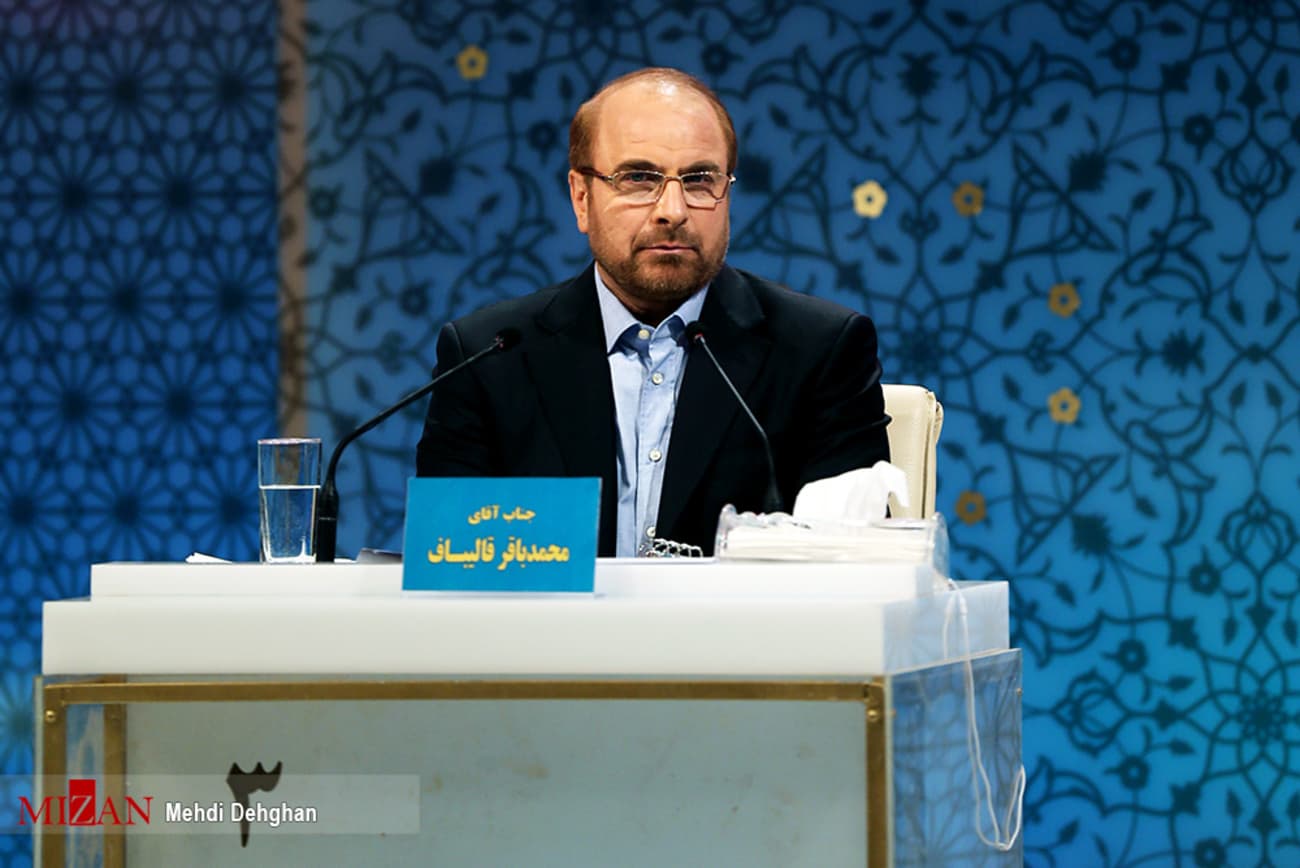
Iranian parliament speaker Mohammad Bagher Ghalibaf said on October 4 that Hormuz would not reopen until seven Iranian conditions tied to the Islamabad framework were fulfilled. At the same time, he described proposals arriving from Washington through intermediaries and presented Tehran as willing to negotiate while preparing for another round of fighting. That combination matters. It means the shipping restriction is not simply the residue of combat. It is being retained as bargaining power.
That moves the accountability ledger away from diplomatic theatre and toward control of the lever. Iran’s political and security system can attach the operation of a globally important maritime route to concessions it wants from another government. The immediate costs, however, do not remain inside an Iran-US negotiation. They travel outward through shipping insurance, freight schedules, energy markets and the fiscal position of states dependent on imported hydrocarbons.
The distinction is important because governments often describe these costs as impersonal consequences of a “crisis.” They are not entirely impersonal. Keeping a chokepoint closed is a policy instrument. So is threatening renewed military action. So is refusing concessions that might reopen it. Accountability therefore has to distinguish between the actors that can directly change the physical constraint and the actors whose decisions shape the diplomatic conditions around it.
Within Iran, ultimate strategic authority remains concentrated around Ali Khamenei (opens in a new tab), while President Masoud Pezeshkian (opens in a new tab) operates inside a political system in which elected institutions do not possess all of the coercive levers being deployed. Ghalibaf’s statement is revealing precisely because it joins the military and diplomatic tracks rather than treating them as alternatives.
The welfare question is therefore larger than whether Tehran or Washington can claim negotiating discipline. A strait carrying globally consequential trade has become part of the price of obtaining political concessions. Every additional day of disruption transfers some of that price to people who have no representation at the negotiating table.
There is also a verification problem. Tehran says substantive backchannel communication continues, but the seven conditions have not been publicly detailed in Ghalibaf’s latest formulation. That makes it harder for outsiders to determine which side is blocking a plausible settlement, which demands are new, and which are being presented selectively for domestic audiences.
Factrail’s useful unit here is not another headline about whether “tensions rise.” It is the chain: political demands → continued closure → constrained maritime movement → higher risk and economic cost → civilian exposure. The central accountability test is whether the governments controlling the first links are internalising any of the costs imposed at the end.
For now, they are not. Hormuz remains closed, diplomacy remains active, and that coexistence is itself the story.
Evidence
The sources this article cites, claim-bearing material first.
The one cited source is a general profile page; it identifies the subject but does not document the specific claims in this article.
- Office of the Supreme Leader of Iran · Leader’s office — 2009 election and Friday-prayer line backing the result
More analysis
Ranked by shared facts, drivers and people — never by publication date alone.
Articles12
- Trump's 'easy way or hard way' Iran choice puts presidential discretion ahead of the civilian ledgerAlso covers Ali Khamenei · 4 October 2026
- Pressure on Iran Is Becoming a System, Not a Single StrikeAlso covers Ali Khamenei · 4 October 2026
- Masoud Pezeshkian Replaced His Oil Minister. Iranians Still Carry the Cost of the Fuel Crisis.Also covers Ali Khamenei · 5 October 2026
- Mohsen Paknejad leaves Iran's oil ministry while ordinary Iranians queue for fuel.Also covers Ali Khamenei · 5 October 2026