Why Meloni Called Trump's Russia Diesel Deal Risky
TL;DR
On 14 October 2026, Italian Prime Minister Giorgia Meloni told the Senate that President Donald Trump's Russian diesel deal was a very risky choice. She warned that renewed Russian energy revenue could legitimize Moscow, help finance the Ukraine war and weaken sanctions leverage even as Russian strikes continued.
By the Factrail desk · Method: how we source and score · Last reviewed
Key graph impact
The article explains graph entities; the causal edges belong to the facts and drivers it links to.
- ArticleWhy Meloni Called Trump's Russia Diesel Deal Risky
- explainsDriverUkraine war (Crimea–Donbas–2022+)
- strengthensIndicators (5)Global deaths from organized violence (UCDP)
- ArticleWhy Meloni Called Trump's Russia Diesel Deal Risky
- explainsDriverSanctions Pressure
- strengthensIndicators (4)Poverty headcount ratio at $3.00 a day (2021 PPP) (% of population)
- ArticleWhy Meloni Called Trump's Russia Diesel Deal Risky
- explainsDriverEnergy Security
- strengthensIndicators (4)Poverty headcount ratio at $3.00 a day (2021 PPP) (% of population)
Strengthens · 85% impact strength
Observed
245k deaths per year · 195k above the normal line (2025)
Worse than normalAbove normal = worse
- Worse
Strengthens · 80% impact strength
Observed
69M people (stock, end-of-year) · 28M above the normal line (2025)
Worse than normal3 readings, 2023–2025: rose from 68M people (stock, end-of-year) to 69M people (stock, end-of-year).
Above normal = worse · Lag ~30 d
Strengthens · 74% impact strength
Observed
10.4% · 10.2 above the normal line (2024)
Worse than normal7 readings, 2018–2024: fell from 11.1% to 10.4%.
Above normal = worse
Weakens · 60% impact strength
Observed
7.97% of population aged 16 years or over · 5.2 above the normal line (2025)
Worse than normal8 readings, 2018–2025: rose from 7.77% of population aged 16 years or over to 7.97% of population aged 16 years or over.
Above normal = worse · Lag ~3 mo
Article
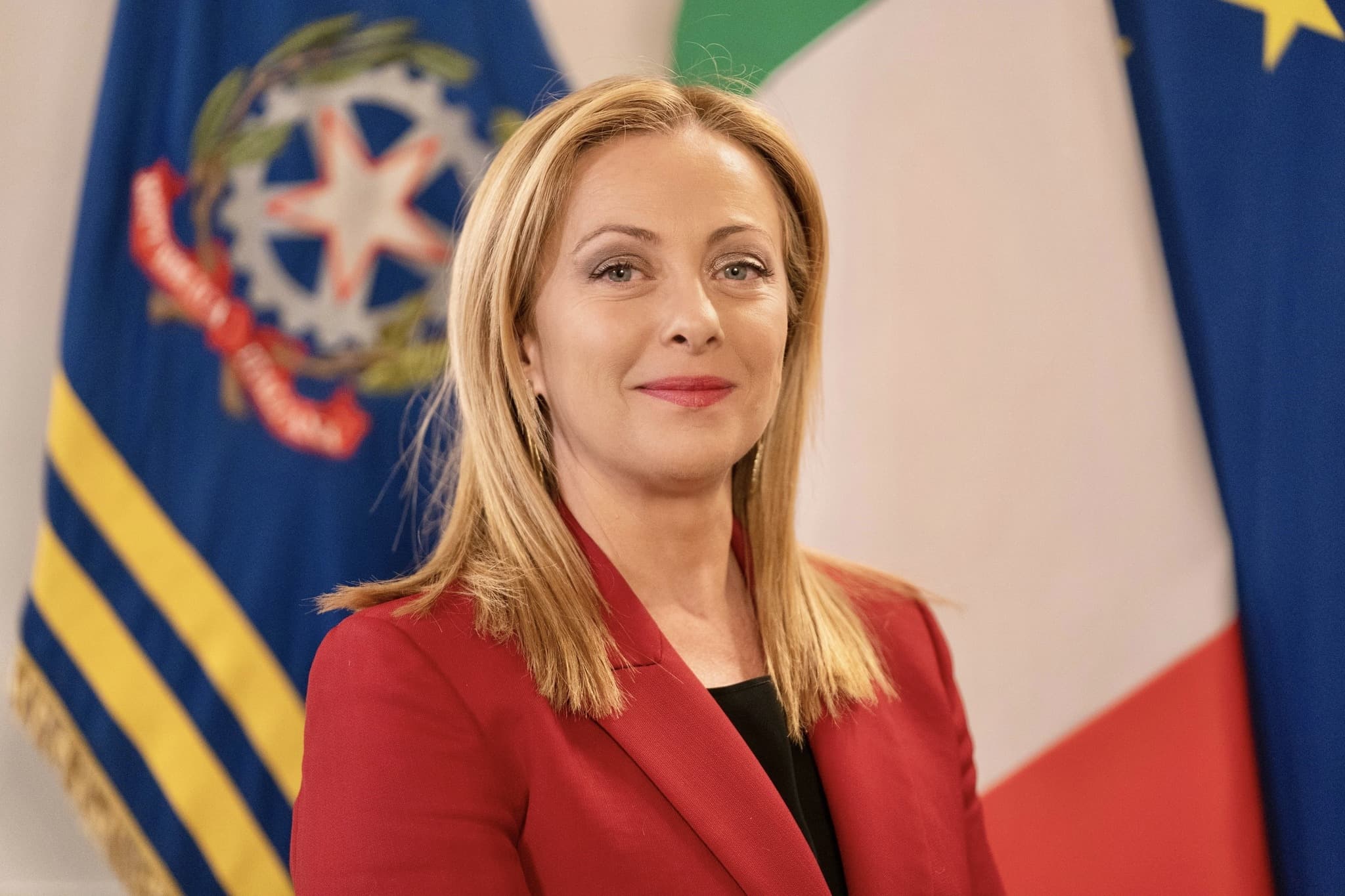
On 14 October 2026, Italian Prime Minister Giorgia Meloni told the Senate that the Russian diesel deal announced by President Donald Trump (opens in a new tab) was a "very risky" choice. Her criticism was unusually direct for a close U.S. ally: she argued that the move could legitimize Moscow, create fresh revenue for Russia's war in Ukraine and weaken the sanctions leverage Western governments had built against Vladimir Putin (opens in a new tab).
The administration's strongest defence is immediate and practical. Fuel markets have been under pressure during the Iran war, and increasing diesel supply can help reduce shortages and prices. Meloni did not deny that price problem. She argued instead that the source of the additional supply matters, especially when the seller is a state still waging a major war against Ukraine.
What is the Trump-Russia diesel deal?
The diesel arrangement announced in early October (opens in a new tab) allows more than 300,000 metric tons of Russian diesel to return to U.S. and global markets through sanctions relief. Reuters reporting on U.S. political reaction described bipartisan concern that the deal would restore revenue to Russia and conflict with the purpose of energy sanctions.
The White House rationale is that more supply can ease a fuel-price shock. That is not a trivial objective: diesel costs move freight, agriculture and many consumer prices. A government facing expensive fuel has a legitimate reason to look for available barrels quickly.
The accountability problem is the seller. Sanctions are designed to make access to hard-currency energy revenue part of the cost Russia pays for continuing the war in Ukraine (opens in a new tab). Buying or facilitating Russian diesel can ease market pressure while simultaneously easing pressure on Moscow.
Why does Meloni oppose it?
In her 14 October Senate remarks (opens in a new tab), Meloni said the risks were clearer than the expected benefit. ANSA reported that she warned of three linked effects: political legitimization of Moscow, new revenue that could support the war and weaker sanctions leverage. She also argued that the current fuel-price surge was driven primarily by the Iran war rather than by the conflict in Ukraine.
That creates a direct contradiction with the idea that Russian energy is the unavoidable answer to the price shock. If the shock comes mainly from another conflict, Meloni's position is that Europe and the United States should address supply without reversing the strategic pressure attached to Russia's invasion.
Background: Britain's Ukraine support as Trump eases Russia diesel pressure (opens in a new tab)
How does the deal affect sanctions pressure?
Sanctions work through denial of access, higher transaction costs and reduced revenue. Every exception can be justified on its own terms, but a large exception also creates precedent. If governments signal that a price spike is enough to reopen sanctioned Russian supply, Moscow can reasonably expect economic pain to be temporary whenever Western consumers face pressure.
That is why Meloni's argument belongs to the sanctions-pressure (opens in a new tab) question rather than to symbolism alone. The effect is not that one diesel shipment automatically finances a specific missile. The defensible claim is narrower: additional export revenue improves Russia's financial position at the same time sanctions were meant to constrain it.
The same trade-off applies to energy security. Short-term security means enough fuel at tolerable prices. Long-term security means not making critical supply dependent on a state that can use energy income and market access as geopolitical leverage. The two goals can collide.
What is the contradiction with the energy-ceasefire message?
Trump has framed energy diplomacy with Russia as part of a broader effort to reduce escalation and pressure prices. Meloni's criticism exposes the unresolved question inside that policy: can Washington reward Russian energy exports while also claiming to increase pressure on Moscow to stop the war?
The timing makes the tension harder to ignore. Russian attacks were still damaging Ukrainian energy infrastructure in October. Background reporting on ballistic strikes and pressure on Ukraine (opens in a new tab) shows that energy itself remains part of the war. A policy that restores Russian energy revenue while Ukrainian energy systems are being attacked therefore carries a visible strategic contradiction, even if its market goal is lower prices.
What happens next?
The immediate tests are legal and diplomatic. U.S. sanctions deadlines remain relevant, American lawmakers are challenging the deal and European leaders must decide whether to treat it as a narrow emergency exception or a broader change in Russia policy. Meloni's Senate intervention puts Italy on record against normalizing the arrangement.
The fairest measure is not whether diesel prices move for a few days. It is whether the deal materially improves supply without creating a larger cost in weakened sanctions, allied division and Russian revenue. Those outcomes can be measured over the coming weeks, and they will show whether Trump's short-term price intervention was compatible with the longer-term strategy he says he wants.
Questions people ask
What is the Trump-Russia diesel deal?
It relaxes sanctions to allow more than 300,000 metric tons of Russian diesel back into U.S. and global supply as fuel markets face pressure from the Iran war.
Why does Meloni oppose it?
Meloni says it risks legitimizing Moscow, creating new Russian revenue for the Ukraine war and weakening sanctions leverage.
How does it affect Ukraine sanctions?
The deal can reduce the isolation and revenue pressure imposed on Russian energy exports, although the administration argues the additional supply can help lower fuel prices.
Evidence
The sources this article cites, claim-bearing material first.
More analysis
Ranked by shared facts, drivers and people — never by publication date alone.
Articles12
- Is Britain Escalating Ukraine Support as Trump Eases Russian Diesel?Shares the driver: Sanctions Pressure · 14 October 2026
- Ukraine Ran Out of Patriot Interceptors: What It Means for Air DefenseShares the driver: Ukraine war (Crimea–Donbas–2022+) · 15 October 2026
- Kyiv Ballistic Strikes: Why Ukraine Says It Got No WarningShares the driver: Ukraine war (Crimea–Donbas–2022+) · 14 October 2026
- Starlink Ukraine Restrictions: Why SpaceX Slowed Kyiv's DronesShares the driver: Ukraine war (Crimea–Donbas–2022+) · 15 October 2026