Why Is Saudi Arabia Striking Sanaa Again?
TL;DR
Saudi-led forces struck Houthi-held fuel and energy sites in and around Sanaa on 13 October 2026 after a week of Houthi missile and drone attacks on Saudi targets. The escalation is again putting Yemeni civilians, Saudi infrastructure and the Red Sea-Bab el-Mandeb trade corridor under pressure.
By the Factrail desk · Method: how we source and score · Last reviewed
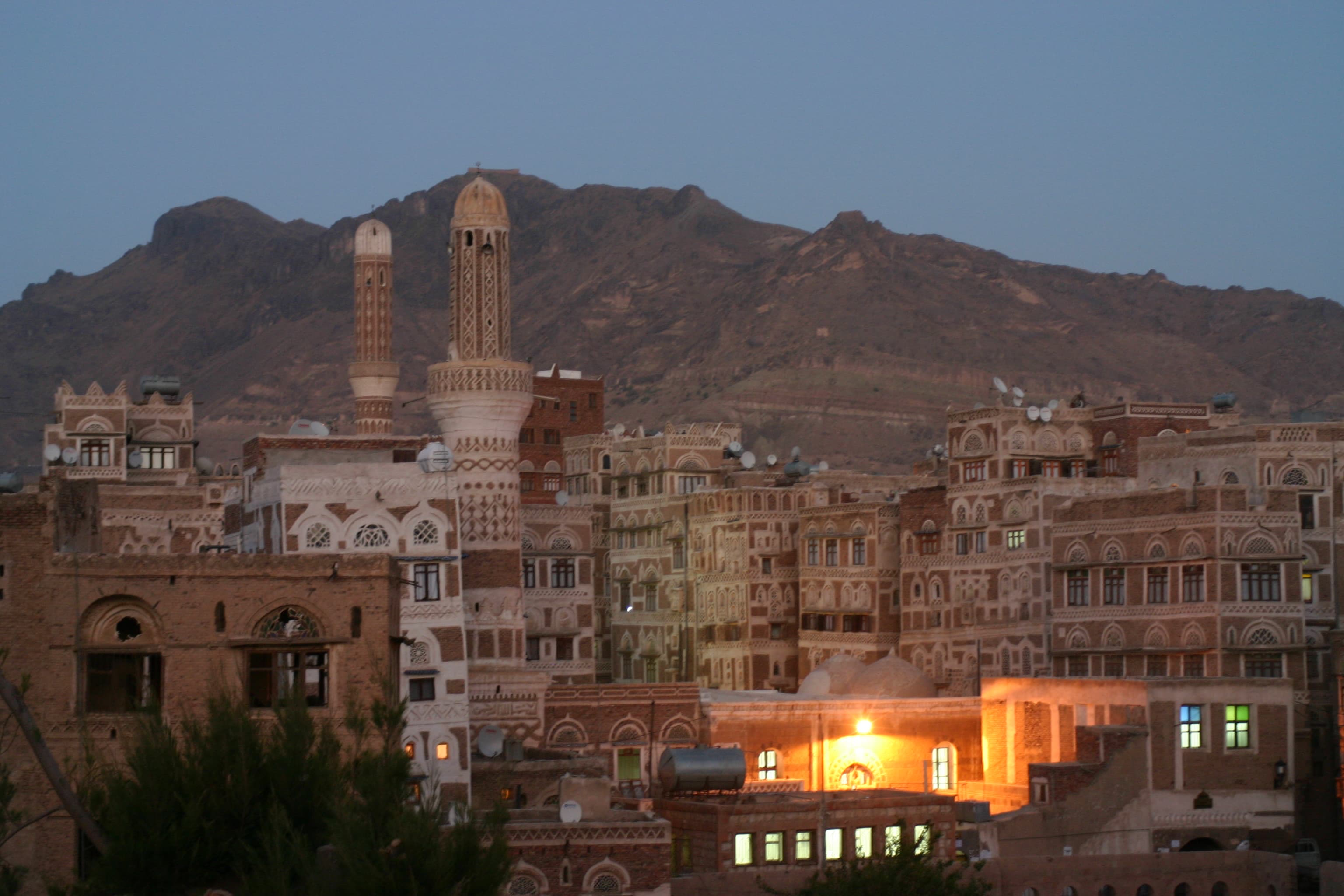
Key graph impact
The article explains graph entities; the causal edges belong to the facts and drivers it links to.
- ArticleWhy Is Saudi Arabia Striking Sanaa Again?
- explainsDriverYemen Houthi war / Red Sea shipping crisis
- strengthensIndicatorGlobal deaths from organized violence (UCDP)
- ArticleWhy Is Saudi Arabia Striking Sanaa Again?
- explainsFactSaudi-led coalition strikes Houthi fuel facilities near Sanaa
13 October 2026 · verified
- ArticleWhy Is Saudi Arabia Striking Sanaa Again?
- explainsFactHouthi strike damages Aramco administrative building in Dhahran
13 October 2026 · verified
Strengthens · 70% impact strength
Observed
245k deaths per year · 195k above the normal line (2025)
Worse than normalAbove normal = worse
Article
Saudi-led forces struck Houthi-held fuel and energy sites in and around Sanaa on 13 October 2026 after a week of Houthi missile and drone attacks on Saudi targets. The renewed exchange is widening the Yemen-Houthi Red Sea conflict (opens in a new tab) and putting civilians, airports, oil infrastructure and maritime trade routes under fresh pressure.
Saudi Arabia is led by Crown Prince and Prime Minister Mohammed bin Salman (opens in a new tab), but the cited reports attribute the specific Sanaa operation to the Saudi-led coalition and do not establish that he personally selected the targets. That distinction matters when assigning individual responsibility for military decisions.
Why did Saudi-led forces strike Sanaa?
The coalition warned civilians to leave a fuel facility near Sanaa before strikes began. Reuters reported Houthi-run media saying the Yemen Petroleum Company site was hit; the coalition later said it had targeted fuel and energy infrastructure used to sustain missile and drone operations. The Sanaa fuel-site strikes (opens in a new tab) are therefore supported as a military event, while the coalition's claim about how the facilities were used remains its stated justification.
That is the strongest Saudi defense: the targets were described as military-support infrastructure, civilians were warned to evacuate, and officials said precautions were taken. The counterweight is the setting. Fuel storage and energy infrastructure are intertwined with civilian life in a country already experiencing severe shortages, displacement and restricted humanitarian access (opens in a new tab). Even a strike aimed at military logistics can raise civilian costs through damaged supply systems, fear and further displacement.
Did the Houthis attack Saudi oil and airport sites?
Yes. The Houthis have launched missiles and drones at Saudi airports and infrastructure during the renewed escalation. A 13 October strike caused a limited fire at an Aramco administrative building in Dhahran, with no injuries reported by Saudi authorities. That event is recorded as the Dhahran Aramco strike (opens in a new tab).
The same escalation followed deadly attacks at Riyadh's King Khalid International Airport. AP and Reuters have reported fatalities and hundreds of injuries across recent airport attacks. Those attacks create an equally clear civilian-protection problem: targeting passenger aviation exposes travelers and workers who are not combatants.
What is the contradiction in the Saudi response?
Saudi officials present the renewed air campaign as a necessary response to Houthi attacks and as protection for airports, oil facilities and shipping. Yet military retaliation inside Yemen can deepen the same instability that makes the region dangerous. The coalition says it is trying to reduce civilian harm; the conflict's history and the current pressure on Taiz show how quickly military escalation can constrict food, fuel and movement.
The Houthis make a parallel claim of retaliation, saying Saudi backing for Yemeni government forces justifies strikes on Saudi targets. That does not erase the civilian character of passenger airports or residential areas hit by debris and missiles.
How does Hormuz tension fit?
The escalation is occurring while shipping around the Strait of Hormuz is also under pressure. That increases the strategic importance of the Red Sea and Bab el-Mandeb and raises the stakes for maritime trade security (opens in a new tab). Oil infrastructure in Saudi Arabia and fuel infrastructure in Yemen now sit inside a wider regional contest affecting energy prices, commercial routes and insurance risk.
What happens next depends on whether Saudi and Houthi forces expand target sets, whether mediation gains traction, and whether the fight around Taiz and Red Sea approaches intensifies. The most important near-term measure is not rhetoric but whether attacks on civilian-facing infrastructure decline.
Questions people ask
Why did Saudi-led forces strike Sanaa?
The coalition said fuel and energy facilities were being used to support Houthi missile and drone operations; Houthi-linked media reported strikes on oil facilities near Sanaa.
Did Houthis attack Riyadh airport?
Yes. Houthi attacks hit Riyadh's King Khalid International Airport during the recent escalation, including a deadly strike before the Sanaa retaliation.
How does Hormuz tension fit?
Regional conflict has increased the importance of Red Sea and Bab el-Mandeb routes while threats around the Strait of Hormuz raise risks for oil and commercial shipping.
Evidence
The sources this article cites, claim-bearing material first.
- Al Jazeera · Iran war live: Saudi coalition hits Houthi sites; Aramco office hit in east · 14 Oct 2026
More analysis
Ranked by shared facts, drivers and people — never by publication date alone.
Articles12
- Houthis Strike Aden's Presidential Palace, Killing Five and Wounding 16Shares the driver: Yemen Houthi war / Red Sea shipping crisis · 16 October 2026
- How Many Houthi Attacks Hit Riyadh Airport?Shares the driver: Security of Maritime Trade Routes · 16 October 2026
- Yemen War 2026: Why Government Forces Hit MochaShares the driver: Yemen Houthi war / Red Sea shipping crisis · 6 October 2026
- Nord Stream Trial: Who Is in the Dock and What Is Alleged?Shares the driver: Security of Maritime Trade Routes · 14 October 2026