
Dean Heller
Dean Arthur Heller (born May 10, 1960) is an American businessman and Republican politician who represented Nevada in the United States Senate…
- Facts0
- Drivers0
- Indicators0
Dean Arthur Heller (born May 10, 1960) is an American businessman and Republican politician who represented Nevada in the United States Senate…
Dean Arthur Heller (born May 10, 1960) is an American businessman and Republican politician who represented Nevada in the United States Senate from 2011 to 2019. Heller's entry into federal politics followed a series of state roles, including service in the Nevada State Assembly from 1990 to 1994 and as Nevada Secretary of State from 1995 to 2007, after which he won election as U.S. Representative for Nevada's 2nd congressional district, serving from 2007 to 2011. He was appointed to the Senate in May 2011 to fill the vacancy left by John Ensign's resignation amid scandal, subsequently winning a special election in 2012 for the remainder of the term and a full term later that year. During his Senate tenure, Heller focused on issues affecting Nevada, such as authoring or co-authoring eight bills signed into law by President Trump to combat the opioid crisis, and supporting tax reform legislation that included repealing the Affordable Care Act's individual mandate and doubling the child tax credit. Known for a pragmatic moderate approach within the Republican Party, he drew criticism from conservatives for opposing the Senate's 2017 health care repeal bill over concerns about coverage losses, contributing to tensions with the party's base. Heller lost his 2018 re-election bid to Democrat Jacky Rosen in a close race influenced by Nevada's shifting electorate and national midterm dynamics, marking him as the only incumbent Republican Senator defeated that cycle.
Dean Heller was born on May 10, 1960, in Castro Valley, Alameda County, California, to Charles Alfred "Jack" Heller, an auto mechanic and stock car driver, and Janet MacNelly Heller, a school cook. His family relocated to Carson City, Nevada, before his first birthday, where he was raised in a working-class household alongside five siblings.
Heller's upbringing emphasized self-reliance and hard work, influenced by his parents' long hours in blue-collar jobs and the modest circumstances of a large family. As a child, he began assisting in his father's auto repair shop during middle school, gaining early exposure to manual labor and entrepreneurship. This environment, described by Heller as embodying Nevada's "battle born" spirit of resilience, shaped his formative years in Carson City.
Heller graduated from Carson High School in Carson City, Nevada, in 1978. He then enrolled at the University of Southern California, earning a Bachelor of Science in business administration in 1985, with a specialization in finance and securities analysis. His academic record at USC included graduating cum laude, reflecting disciplined study habits developed prior to college.
Heller's early influences were rooted in his family's working-class ethos in Carson City, where he grew up with five siblings as the son of an auto mechanic father and a school cook mother. Beginning in middle school, he worked regularly in his father's auto repair shop, an experience that cultivated a robust work ethic, personal discipline, and appreciation for self-reliance—qualities he has credited with motivating his pursuit of a college degree despite financial challenges. These formative years emphasized practical skills and perseverance over formal accolades, aligning with broader Western values of individual responsibility that guided his later career choices.
Dean Heller served two terms in the Nevada State Assembly from 1990 to 1994 as a Republican. He represented a district encompassing Carson City. Elected in the 1990 general election, Heller focused his early legislative efforts on state-level issues pertinent to northern Nevada constituents during the 66th and 67th legislative sessions. His tenure concluded in 1994 when he successfully campaigned for Nevada Secretary of State.
Dean Heller was elected as Nevada's Secretary of State in the 1994 general election as a Republican, defeating Democratic incumbent Frankie Sue Del Papa, and assumed office on January 2, 1995. He was reelected in 1998 and 2002, serving nonconsecutive terms from 1995 to 1998, 1999 to 2002, and 2003 to 2006, before resigning in 2007 to pursue a seat in the U.S. House of Representatives. In this role, Heller oversaw the administration of state elections, the filing and registration of business entities, the regulation of securities and commodities, and the commissioning of notaries public, responsibilities mandated under Nevada Revised Statutes.
A key initiative during Heller's tenure was the adoption of verifiable paper records for electronic voting machines, making Nevada the first state in the nation to implement such an auditable paper trail system to enhance election integrity and verifiability. This measure addressed vulnerabilities in direct-recording electronic (DRE) systems by providing a physical record for post-election audits and recounts, predating similar reforms in other states following the 2000 presidential election disputes. Heller's office also maintained the state's Silver State Online system for business entity filings, facilitating electronic submissions that streamlined commercial registrations amid Nevada's growing economy.
Heller's administration managed several high-profile elections, including the 2000 and 2004 presidential contests, without widespread irregularities reported under his oversight. The office certified results for statewide races and local contests, ensuring compliance with voter registration laws and ballot access requirements. In 2004, Heller convened a special session of the Nevada Legislature as required by state constitution for organizational purposes. His tenure emphasized operational efficiency in a state with expanding voter rolls and business incorporations, particularly in Clark and Washoe counties.
of Nevada in November 2006, Nevada's 2nd congressional district seat became vacant, prompting a special election cycle integrated into the regular 2006 elections. Dean Heller, then serving as Nevada Secretary of State, entered the Republican primary held on August 15, 2006, facing competition from state Assemblywoman Sharron Angle, Dawn Gibbons (wife of the outgoing representative), and minor candidates. Heller secured the nomination with 24,770 votes (35.90%), narrowly defeating Angle who received 24,349 votes (35.29%), a margin of 421 votes out of 68,992 total primary votes.
In the general election on November 7, 2006, Republican Heller defeated Democratic state Assemblywoman Jill Derby, Independent American James C. Kroshus, and Natural Law Daniel Rosen. Heller received 117,168 votes (50.35%) to Derby's 104,593 (44.94%), with the remaining votes split among the minor candidates, for a total of 232,724 votes cast. This victory marked Heller's entry into the U.S. House of Representatives, representing the Republican-leaning district encompassing rural Nevada and parts of the Reno area.
Heller sought re-election in 2008 amid a national Democratic wave year coinciding with the presidential election. In the Republican primary on August 5, 2008, Heller easily dispatched challenger James W. Smack, garnering 43,112 votes (86.02%) to Smack's 7,009 (13.98%) out of 50,121 total votes.
Heller again faced Derby in the general election on November 4, 2008, along with Independent American John Everhart, Independent Craig Bergland, and Libertarian Sean Patrick Morse. He won with 170,771 votes (51.82%) against Derby's 136,548 (41.44%), with others taking the balance, from a total of 329,520 votes amid higher turnout. Heller's margin held despite Barack Obama's statewide presidential victory, reflecting the district's conservative tilt.
Heller represented Nevada's 2nd congressional district in the U.S. House of Representatives from January 3, 2007, to May 9, 2011, following his election on November 7, 2006, to fill the vacancy left by Jim Gibbons' resignation as governor, and subsequent re-elections in 2008 and 2010. During this period, he focused on issues pertinent to Nevada's economy, including small business support, tax policy, and federal land management, reflecting the state's reliance on tourism, mining, and limited public lands for development.
As a freshman Republican, Heller initially received assignments to the House Committee on Natural Resources and the House Committee on Small Business, from which he resigned on February 25, 2008, to pursue more influential roles. On the Small Business Committee during the 110th Congress (2007–2009), he served as ranking member of the Subcommittee on Finance and Tax, advocating for regulatory relief and lending access for entrepreneurs. He later secured a position on the prestigious House Committee on Ways and Means, the primary tax and trade policymaking panel, where he contributed to oversight of the Internal Revenue Service, health care financing, and trade agreements. In the 111th and brief 112th Congresses, his Ways and Means subcommittees included Health, Income Security and Family Support, and Trade, positioning him to influence bipartisan efforts on pension security and small business tax credits.
Heller's legislative record emphasized fiscal conservatism and Nevada-specific priorities; he sponsored 20 bills in the House, with notable examples including H.R. 1756, the Small Business Microloan Modernization Act of 2009, to expand federal lending programs for startups, and H.R. 2210, the Southern Nevada Higher Education Land Act of 2009, which facilitated land transfers for university expansion and passed the House on October 27, 2009. He cosponsored broader measures like H.R. 2205, the Retirement Security for Life Act of 2007, which advanced through the House to enhance pension portability. Heller opposed expansive federal interventions, such as the Troubled Asset Relief Program in 2008, prioritizing market-based solutions over bailouts amid the financial crisis. His committee roles enabled scrutiny of tax code complexities and health expenditures, aligning with Republican efforts to curb deficits while supporting regional growth.
Following U.S. Senator John Ensign's resignation, effective May 3, 2011, amid a federal investigation into ethics violations, Nevada Governor Brian Sandoval appointed Heller to fill the vacancy on April 27, 2011. Heller, then serving his fourth term in the U.S. House, resigned that position and was sworn into the Senate by Vice President Joe Biden on May 9, 2011.
The appointment carried through the end of Ensign's term on January 3, 2013, after which voters would elect a successor in the November 6, 2012, general election for the Class 1 seat representing Nevada. Heller faced Democratic U.S. Representative Shelley Berkley, along with several independent and minor-party candidates. He secured victory with 457,656 votes (45.87 percent), ahead of Berkley's 446,080 votes (44.71 percent), as other candidates and write-ins accounted for the balance. This win granted Heller the full six-year term commencing January 3, 2013.
Heller sought a second full term in the 2018 election, defending against Democratic U.S. Representative Jacky Rosen and other contenders. On November 6, 2018, Rosen prevailed with 490,071 votes (50.4 percent) to Heller's 441,202 (45.4 percent), marking the first time since 1994 that Nevada voters elected a Democratic senator to the seat. Heller conceded the race on election night, ending his Senate tenure on January 3, 2019.
Dean Heller served as a United States Senator from Nevada from May 9, 2011, to January 3, 2019. He was appointed by Governor Brian Sandoval on May 3, 2011, to fill the vacancy created by John Ensign's resignation amid a federal investigation into ethics violations. Heller won a special election in November 2012 to complete the term and a full six-year term concurrently, defeating Democratic Representative Shelley Berkley by a margin of 45,594 votes. He sought reelection in 2018 but lost to Democrat Jacky Rosen by approximately 5,500 votes after a competitive race influenced by national midterm dynamics.
During his tenure, Heller held several key committee assignments that aligned with his background in finance and business, as well as Nevada's economic priorities such as tourism, mining, and veterans' issues. Initially, upon entering the Senate in the 112th Congress, he was assigned to the Committee on Energy and Natural Resources and the Committee on Commerce, Science, and Transportation. In subsequent Congresses, his roles expanded to include the Committee on Finance, where he participated in tax reform efforts including the 2017 Tax Cuts and Jobs Act; the Committee on Banking, Housing, and Urban Affairs, chairing the Subcommittee on Economic Policy; the Committee on Veterans' Affairs; and continued service on Commerce, Science, and Transportation. These positions enabled Heller to advocate for policies supporting small businesses, financial regulation, and infrastructure development critical to Nevada's economy.
Heller also served on the Special Committee on Aging and was involved in bipartisan efforts on issues like opioid crisis response and veterans' health care access, reflecting his moderate Republican stance within the Senate caucus. His committee work emphasized pragmatic legislation over ideological purity, often bridging divides on fiscal matters.
Heller consistently advocated for reducing federal tax rates to stimulate economic growth, particularly benefiting Nevada's tourism, gaming, and small business sectors. As a member of the Senate Finance Committee, he contributed to the development of the Tax Cuts and Jobs Act (TCJA), which he voted for on December 2, 2017, in a 51-49 party-line Senate vote. The legislation permanently lowered the corporate tax rate from 35% to 21%, doubled the standard deduction for individuals, and expanded the child tax credit to $2,000 per child, measures Heller highlighted as delivering "critically important tax cuts to Nevada's families and small businesses." Proponents, including Heller, argued these changes would boost investment and job creation, though critics contended the cuts disproportionately favored high-income earners and added approximately $1.5 trillion to federal deficits over a decade per Congressional Budget Office estimates.
On federal spending and budgeting, Heller positioned himself as a proponent of restraint, supporting mechanisms to enforce fiscal discipline. In 2011, he co-sponsored the No Budget, No Pay Act, which would have withheld congressional salaries until an annual budget resolution was adopted, aiming to incentivize timely fiscal planning amid repeated failures to pass budgets. He expressed opposition to unchecked spending, voicing disappointment in July 2011 when the Senate rejected the Cut, Cap, and Balance Act, a Republican-backed measure requiring spending caps, a balanced budget amendment, and $2.5 trillion in deficit reduction over a decade. Despite initial support for House Republican budget blueprints like Paul Ryan's in 2011, Heller later critiqued subsequent iterations as insufficiently serious, reflecting a pragmatic shift amid partisan gridlock.
Heller backed constitutional limits on deficits, repeatedly voting for a balanced budget amendment during his Senate tenure. In June 2011, he urged a Senate vote on such an amendment to mandate balanced federal budgets except in cases of war or national emergency. He supported related proposals in July and December 2011, though both failed to achieve the two-thirds threshold needed for passage.
Concerning the national debt, which exceeded $14 trillion upon Heller's 2011 Senate entry and surpassed $20 trillion by his 2019 departure, he favored avoiding default while prioritizing essential payments. In 2011, he introduced the Protecting and Preserving Social Security Act to direct the Treasury to allocate revenues first to Social Security beneficiaries in the event of a debt ceiling impasse, safeguarding the program serving over 55 million Americans. Heller voted to suspend the debt limit in January 2013 (64-34 Senate vote), enabling borrowing until May amid fiscal cliff negotiations, consistent with bipartisan patterns to maintain government operations despite his broader calls for spending reforms.
During his tenure in the U.S. House of Representatives from 2007 to 2011, Dean Heller voted multiple times to repeal the Patient Protection and Affordable Care Act (ACA), enacted in 2010, arguing it imposed burdensome mandates and drove up insurance premiums without improving access or quality. In the Senate from 2011 to 2019, he continued this opposition, supporting the 2015 full repeal bill that would have terminated the ACA's Medicaid expansion after two years, a measure that passed the Senate but was vetoed by President Obama. Heller advocated for market-based alternatives, including protections for employer-sponsored insurance and repeal of the ACA's "Cadillac tax" on high-value plans, earning recognition from insurance industry groups for preserving private-sector health coverage options.
In 2017, amid Republican efforts to repeal and replace the ACA under President Trump, Heller's positions reflected concerns over Nevada's heavy reliance on Medicaid expansion, which covered over 600,000 low-income residents by enrolling them via enhanced federal funding. He endorsed a gradual seven-year phase-out of expansion funds to allow states transition time and avoid budget shortfalls, estimating an immediate cut would create a $250 million hole in Nevada's budget. Heller opposed the Senate's Better Care Reconciliation Act (BCRA) in June 2017 due to its deeper Medicaid cuts, announcing he could not support legislation harming coverage in his state. However, he voted in favor of the "skinny repeal" amendment on July 28, 2017—a stripped-down measure to eliminate ACA mandates while delaying major reforms—which failed 49-51. These votes aligned with broader Republican goals of devolving control to states via block grants or per-capita caps, aiming to curb federal spending growth projected to exceed $1 trillion annually by 2026 under the ACA.
On welfare reforms, Heller supported measures emphasizing work requirements and state flexibility, consistent with 1996 Personal Responsibility and Work Opportunity Reconciliation Act principles that transformed Aid to Families with Dependent Children into the block-granted Temporary Assistance for Needy Families (TANF) program. Medicaid reforms under his ACA positions effectively functioned as welfare adjustments, targeting inefficient expansions that he argued disincentivized work by covering able-bodied adults without mandates for job training or employment. Heller's approach prioritized empirical cost controls, citing data that pre-ACA welfare systems fostered higher poverty persistence rates compared to post-reform declines in caseloads by over 60% nationally.
Heller consistently advocated for robust U.S. military funding and presence in key conflict zones. In 2015, he supported allocating $515 billion for military expenditures alongside an additional $89 billion exempt from sequestration cuts to fund ongoing operations. He voted against proposals to remove U.S. armed forces from Afghanistan in 2011 and to redeploy troops out of Iraq in 2007, emphasizing the need to support troops and achieve victory in the war on terrorism as stated in his 2006 campaign. As a member of the Senate Armed Services Committee during his tenure, Heller participated in annual National Defense Authorization Act (NDAA) deliberations, including proposing amendments to the fiscal year 2018 NDAA and contributing to the 2017 version.
On counterterrorism and homeland security, Heller endorsed measures enhancing surveillance capabilities abroad, voting in 2007 to eliminate the need for FISA warrants for wiretapping foreign targets. He sponsored legislation in 2013 opposing the United Nations Arms Trade Treaty, arguing it infringed on U.S. sovereignty in arms policy. In 2018, he affirmed the importance of securing the national power grid against terrorist threats. Heller voted against extending certain PATRIOT Act provisions, such as roving wiretaps in 2011 and bulk data collection in 2013, while opposing congressional oversight of CIA interrogations in 2008.
Heller maintained a hawkish stance toward Iran, calling for withdrawal from the 2015 nuclear agreement (JCPOA) in 2018 and prioritizing prevention of Iranian nuclear weapons over containment strategies as early as 2012. He sponsored bills in 2013 to freeze Iranian foreign reserves and in 2014 demanded long-term intrusive nuclear inspections, insisting in 2015 that no deal proceed without congressional approval. Following President Trump's 2018 withdrawal from the JCPOA, Heller praised the move, stating the agreement failed to curb Iran's nuclear ambitions or promote regional peace and instead enriched its malign activities.
Regarding Israel, Heller expressed vigorous support against Hamas operations in Gaza in 2012 and co-sponsored the 2017 Jerusalem Embassy and Recognition Act to relocate the U.S. embassy to Jerusalem, affirming it as Israel's capital. He advocated disallowing Palestine's accession to the International Criminal Court in 2015 to shield Israel from legal threats and reiterated the "unbreakable" U.S.-Israel alliance in 2010, committing to its preservation in 2018. In 2008, he backed strengthened sanctions on Syria to aid its democratic transition, and in 2009 voted against U.S. funding for democratic institutions in Pakistan amid concerns over its stability.
Heller maintained a pro-life stance on abortion throughout his congressional career, supporting legislation to ban abortions after 20 weeks of gestation in October 2018. He advocated defunding Planned Parenthood and requiring parental notification for minors seeking abortions, positions aligned with restricting federal support for abortion providers. In 2011, he voted to prohibit federal health coverage plans that include abortion services. During his 2022 gubernatorial campaign, Heller expressed support for a six-week abortion ban, reflecting ongoing opposition to expansive abortion access.
On Second Amendment rights, Heller opposed gun control measures, voting against a ban on high-capacity magazines exceeding 10 bullets in April 2013 and rejecting similar restrictions in October 2018. He backed concealed carry reciprocity across states and an unrestricted right to bear arms for self-defense. The National Rifle Association endorsed him in May 2018, citing his consistent defense of gun owners' rights amid Nevada's politically competitive environment on the issue.
Heller personally opposed same-sex marriage, stating in June 2014 that he believed marriage should be between a man and a woman, though he respected the Supreme Court's 2015 Obergefell v. Hodges decision legalizing it nationwide. In November 2007, he voted against prohibiting employment discrimination based on sexual orientation. However, his positions evolved on certain LGBT protections; in November 2013, he provided the pivotal 60th vote to advance the Employment Non-Discrimination Act, which would ban workplace bias on sexual orientation and gender identity. In March 2015, he endorsed federal benefits, including Social Security and veterans' benefits, for legally married same-sex couples.
Heller supported capital punishment in cases involving the murder of law enforcement officers, endorsing its application as a deterrent in May 2017. His record reflected traditional social conservatism tempered by pragmatic votes in a swing state like Nevada, where cultural issues often intersected with electoral dynamics.
During his tenure in the U.S. Senate, Dean Heller advocated for an "all-of-the-above" energy strategy that included fossil fuels, renewables, and nuclear power to promote energy independence and economic growth in Nevada, a state rich in solar potential and mineral resources but dependent on affordable energy for mining and tourism. He supported streamlining federal permitting for renewable projects on public lands, co-sponsoring bipartisan legislation in 2017 with Sens. Jim Risch and Maria Cantwell to expedite approvals for solar, wind, and geothermal developments, arguing it would create jobs without excessive bureaucracy.
Heller backed solar industry growth through targeted measures, including a 2014 bill with Sen. Michael Bennet to expand eligibility for the solar Investment Tax Credit to more small and utility-scale projects, enabling Nevada's solar capacity to expand amid the state's abundant sunlight. In June 2018, he joined Sen. Martin Heinrich in introducing legislation to repeal President Trump's 30% tariffs on imported solar panels, which Heller stated had driven up costs and stalled installations, harming Nevada's burgeoning solar sector that employed over 2,500 workers by 2018.
On nuclear energy, Heller firmly opposed reopening the Yucca Mountain repository for high-level radioactive waste storage, testifying before the House Oversight Committee on April 26, 2017, that "Yucca Mountain is dead and should remain dead," prioritizing Nevada's water resources and safety concerns over federal waste disposal mandates established by the 1982 Nuclear Waste Policy Act. He blocked advancement of related House bills, including one in May 2018 designating Yucca as the sole repository site, aligning with bipartisan Nevada opposition despite the site's prior $15 billion in taxpayer-funded development halted under the Obama administration.
Heller acknowledged a human role in climate change, voting on January 21, 2015, for Sen. Brian Schatz's amendment (S.Amdt. 109) stating that "human activity is a leading cause of a changing climate," one of 15 Republicans to do so in a 98-1 tally, though he favored market-driven innovations over regulatory mandates like the Clean Power Plan. His record drew criticism from environmental groups; the League of Conservation Voters, which tracks congressional votes on pollution controls and conservation, assigned him a lifetime score of 11% through 2018, highlighting opposition to bills expanding EPA oversight of emissions and fossil fuel leasing on federal lands. The LCV's metrics emphasize stringent regulations, often rating Republicans low regardless of support for renewables, reflecting the group's advocacy priorities.
During the 2016 Republican presidential primaries, Senator Dean Heller expressed significant reservations about Donald Trump's candidacy, describing himself as "99 percent against" Trump and declining to endorse him. Heller, viewed as a pragmatic moderate within the party, did not support Trump following his nomination at the Republican National Convention in July 2016, positioning himself among the president's early skeptics in the Senate GOP.
Heller's reluctance persisted into the general election; he withheld public confirmation of his vote until August 14, 2017—nearly nine months after Election Day—stating then that he had supported Trump. This delay reflected broader ambivalence among some establishment Republicans toward Trump's unconventional style and rhetoric, though Heller began aligning with the administration on legislative priorities such as the December 2017 Tax Cuts and Jobs Act, which he voted for despite initial fiscal hawkishness.
By early 2018, amid his own re-election pressures in the battleground state of Nevada, Heller's stance evolved toward greater cooperation, including inclinations to back Trump's immigration framework proposals in February. Tensions peaked when Trump threatened to withhold endorsement over Heller's past opposition to full Obamacare repeal, but by September 2018, Trump rallied for him in Reno, praising Heller's loyalty on key issues like judicial confirmations, marking a pragmatic reconciliation driven by mutual political needs. This shift culminated in Heller's effusive public endorsements of Trump as a "great president" during the campaign's final weeks, though critics attributed it partly to electoral survival rather than ideological conversion.
Dean Heller voted in favor of the Tax Cuts and Jobs Act on December 20, 2017, supporting President Trump's signature domestic policy achievement, which reduced corporate tax rates from 35% to 21% and provided temporary individual income tax cuts. This 51-49 Senate passage aligned with Republican priorities for economic growth through lower taxes and deregulation, though critics argued it disproportionately benefited high earners.
Heller backed several of Trump's judicial nominees, including confirming Neil Gorsuch to the Supreme Court in April 2017 by a 54-45 vote, where he joined the majority to fill the vacancy left by Justice Scalia's death. He also met with Brett Kavanaugh in July 2018 and expressed no reservations about supporting his nomination, ultimately voting yes on October 6, 2018, amid allegations of sexual misconduct, contributing to the 50-48 confirmation. These votes advanced Trump's effort to reshape the federal judiciary with conservative originalists, with Heller's support pivotal in a narrowly divided Senate.
On deregulation, Heller aligned with Trump's agenda by co-sponsoring legislation to repeal burdensome Obama-era rules, such as those under the Congressional Review Act, which targeted environmental and financial regulations impacting Nevada's mining and energy sectors. He praised the administration's rollback of over 20,000 pages of federal regulations by 2018, arguing it spurred job creation without compromising safety standards.
Heller supported the First Step Act, a bipartisan criminal justice reform bill signed by Trump on December 21, 2018, which expanded rehabilitation programs and reduced certain sentences for nonviolent offenders; he voted yes on the Senate version, emphasizing its focus on recidivism reduction over leniency. This measure reflected Trump's pivot toward reform, influenced by advisors like Jared Kushner, and garnered unusual cross-party backing despite conservative concerns about early releases.
During his 2018 re-election campaign, the Nevada Democratic Party filed multiple complaints against Heller with the U.S. Senate Select Committee on Ethics and the Federal Election Commission, alleging violations related to fundraising and campaign advertising. In October 2017, Democrats accused Heller of improperly using his position on the Senate Appropriations Committee's Subcommittee on Financial Services and General Government to solicit contributions via a campaign website and email that referenced committee work. A January 2018 complaint claimed his campaign's use of Senate letterhead in mailers violated rules against official resources for political purposes. On February 27, 2018, a third filing alleged that a Google search ad promoting Heller's "No Budget No Pay" legislative proposal linked directly to a campaign donation page, constituting solicitation of funds tied to official duties. These complaints, which occurred amid a competitive Senate race against Democrat Jacky Rosen, yielded no formal investigations or sanctions from the Senate Ethics Committee.
Additional allegations surfaced in March 2018, when Democrats claimed Heller's campaign violated election laws by running ads on at least 10 electronic billboards without required disclosures of the sponsoring entity; Heller's team countered that the ads were funded by an independent third party not affiliated with the campaign. In May 2018, state Democrats filed with the FEC, accusing the campaign of failing to report or disclose discounted printing services valued at over $10,000 from a firm partially owned by Heller's son-in-law, potentially breaching federal contribution limits and reporting requirements. No enforcement actions followed from this or prior complaints, which critics from Heller's side described as partisan tactics timed to coincide with election-year scrutiny rather than evidence of systemic misconduct. Earlier, as Nevada Secretary of State in 2002, Heller faced a complaint from a third-party candidate alleging false statements impeding their campaign, but the Nevada Commission on Ethics dismissed it for lack of violation.
Heller drew accusations of political inconsistency from both conservative and liberal critics, who portrayed his moderate stances as opportunistic shifts to navigate Nevada's swing-state dynamics. On health care, he pledged during his 2012 Senate campaign to repeal the Affordable Care Act (ACA) in full, aligning with Republican orthodoxy, but on July 17, 2017, announced opposition to the Senate's Better Care Reconciliation Act, arguing it insufficiently protected Nevadans with pre-existing conditions and risked destabilizing the state's Medicaid expansion under former Governor Brian Sandoval. Conservatives, including Trump allies, labeled this a betrayal of repeal commitments, while Democrats highlighted it as evidence of unreliable partisanship; Heller maintained his position prioritized state-specific impacts over blanket repeal. In August 2017, he briefly endorsed a full ACA repeal amendment before retracting amid backlash, further fueling flip-flop narratives from opponents tracking his statements across days.
Regarding Donald Trump, Heller withheld endorsement during the 2016 primaries, privately expressing doubts about Trump's fitness and publicly criticizing aspects of his campaign rhetoric, but pivoted to full support by 2018, campaigning alongside Trump and aligning on issues like tax cuts to shore up his vulnerable seat against primary challengers from the right. GOP primary rival Danny Tarkanian publicly accused him of this reversal to appease the base after initial resistance. On gun control, post-2012 Sandy Hook, Heller co-sponsored bipartisan background check legislation but ultimately voted against the Manchin-Toomey amendment in April 2013, a move some outlets framed as a calculated retreat from initial openness to universal checks amid NRA pressure. Following the October 1, 2017, Las Vegas mass shooting—where 58 died at a concert attended by many Nevadans—Heller endorsed a federal ban on bump stocks in October 2017, diverging from hardline Second Amendment defenses and prompting conservative critiques of moderation, though he opposed broader measures like assault weapon restrictions. Heller defended such adjustments as principled responses to constituent needs in a politically diverse state, rejecting flip-flop charges as mischaracterizations of evolving context.
Following his defeat in the 2018 U.S. Senate election on November 6, 2018, Dean Heller delivered a concession speech in which he acknowledged the victory of Democratic challenger Jacky Rosen, stating that Nevada voters had spoken and expressing gratitude to his supporters, family, and campaign staff. Heller emphasized his commitment to public service during the speech, reflecting on his tenure in Congress and the Senate without directly attributing the loss to specific factors, while congratulating Rosen on her win in a race that saw her secure 50.4% of the vote to Heller's 47.4%.
The loss drew immediate criticism from former President Donald Trump and segments of the Republican base, who attributed Heller's defeat to insufficient alignment with Trump's agenda despite Heller's late-campaign efforts to embrace the president, including public praise on September 19, 2018, where he called Trump a "great president." Trump specifically blamed Heller on February 6, 2019, claiming the senator failed to "excite" the Republican voter base and referencing Heller's earlier "hostile" stance toward him during the 2016 election cycle, remarks that underscored ongoing tensions from Heller's prior opposition to the 2017 Senate Obamacare repeal bill.
This backlash highlighted divisions within the GOP, as conservative activists and Trump loyalists viewed Heller's moderate positions—such as his June 23, 2017, announcement against the Senate health care bill without major changes to protect coverage—as evidence of disloyalty that weakened turnout among the base in Nevada's competitive general election. Trump's continued public jabs at Heller months after the election served to reinforce a narrative prioritizing full-throated Trump support for Republican success, even as Heller had secured Trump's endorsement in August 2018 following primary victory over a Trump-backed challenger.
Heller announced his candidacy for the Republican nomination for governor on September 20, 2021, in Carson City, framing his platform around reversing Democratic Governor Steve Sisolak's COVID-19 policies, which he blamed for contributing to Nevada's elevated unemployment rate during the pandemic. He pledged to eliminate mask and vaccine mandates, while encouraging but not enforcing vaccination, positioning the race as a referendum on Sisolak's pandemic response. Economically, Heller emphasized recovery efforts, criticizing Sisolak for rising crime and housing challenges tied to policy failures, without detailing specific tax or spending proposals beyond general conservative fiscal restraint.
On social issues, Heller advocated for election integrity measures, including an executive order to implement voter identification requirements, stating that voters "you're not going to wonder if elections are fair." He expressed support for stringent abortion restrictions, praising Texas's six-week ban with exceptions for rape and incest as a model Nevada could adopt. Education themes centered implicitly on parental choice and addressing learning losses from pandemic closures, though without enumerated reforms.
Heller entered a competitive Republican primary featuring Clark County Sheriff Joe Lombardo, Reno attorney Joey Gilbert, and former Las Vegas Mayor John Lee, among others, held on June 14, 2022.) His campaign struggled with party dynamics, as former President Donald Trump endorsed Lombardo in March 2022, amplifying Heller's vulnerabilities from prior criticisms of Trump during his 2018 Senate reelection loss. At a January 6, 2022, debate, Republican attendees booed Heller for defending the 2020 election's legitimacy and acknowledging Trump's defeat, highlighting base skepticism toward his conservative credentials. In a late pivot, Heller attacked Lombardo's law enforcement record on crime, but failed to consolidate support.
Lombardo secured the nomination with 55.4% of the vote (102,082 votes), while Heller finished fourth with 11.5% (21,299 votes), behind Gilbert's 15.4% and Lee's 8.5%; turnout was approximately 184,000 Republican voters. Heller's defeat underscored the primary electorate's preference for Trump-aligned candidates in a post-2020 GOP landscape, despite his extensive experience as a former secretary of state, congressman, and senator.
In the Republican primary for Nevada governor held on June 14, 2022, Heller finished third with 43,127 votes, or 21.8% of the total, behind winner Joe Lombardo's 111,255 votes (56.3%) and Joey Gilbert's 55,912 votes (28.3%).) Lombardo, the Clark County sheriff, benefited from former President Donald Trump's endorsement and strong support from law enforcement communities, consolidating votes in a fragmented field of six candidates. Heller's late-campaign attacks on Lombardo, portraying him as insufficiently conservative on issues like immigration and crime, failed to gain traction amid voter preference for Trump's preferred candidate.
Heller conceded the primary on election night, acknowledging Lombardo's victory in a statement that praised the competitive process but offered no immediate endorsement. The defeat underscored challenges for establishment Republicans in Trump-influenced primaries, where Heller's moderate record—including past opposition to certain Trump policies—alienated base voters favoring outsider appeal and stricter alignment with MAGA priorities. Analysts attributed his underperformance to a perceived lack of enthusiasm from the party's right wing, compounded by his 2018 Senate loss and inconsistent stances on election integrity, which drew skepticism from Trump loyalists.
In the immediate aftermath, Heller's campaign dissolved without significant partisan recriminations, though it highlighted Nevada GOP dynamics favoring candidates like Lombardo who balanced sheriff experience with Trump backing. Heller shifted focus to private sector opportunities, marking the end of his consecutive bids for statewide office after prior defeats in 2018 and the 2022 primary. The race's outcome contributed to Lombardo's general election victory over incumbent Democrat Steve Sisolak in November 2022, flipping the governorship Republican.
Following his defeat in the 2018 U.S. Senate election and departure from office on January 3, 2019, Dean Heller entered the private sector, focusing on consulting and corporate board service. He began providing political and corporate consulting services, drawing on his experience in Nevada state government, the U.S. House, and the Senate. This shift aligned with common paths for former lawmakers, emphasizing advisory roles in policy and business strategy rather than full-time lobbying registration at the outset.
In 2019, Heller joined the Board of Directors of Bridger Aerospace Group Holdings, Inc., an aerial firefighting and natural resource management firm, as a Class II director. His tenure on the board, which continues as of 2025, involves governance oversight for the publicly traded company (NYSE: BAER), reflecting his prior legislative work on veterans' affairs, finance, and Western state issues relevant to resource management and emergency response.
Heller maintained these private sector engagements during his unsuccessful 2022 campaign for Nevada governor, after which he intensified his advisory work. On January 7, 2025, he joined Venable LLP, a Washington, D.C.-based law firm, as a senior policy advisor, where he counsels clients on legislative and regulatory matters, particularly in finance, banking, and veterans' policy—areas tied to his Senate committee service. This role positions him on K Street, facilitating access to Republican-led policy networks amid the party's congressional majorities post-2024 elections.
In January 2025, Dean Heller joined the law firm Venable LLP as a senior policy advisor in its Washington, D.C., office. In this position, he advises clients on legislative and regulatory matters, drawing on his experience from serving on Senate committees including Finance, Banking, Housing and Urban Affairs, and Commerce, Science, and Transportation, as well as the House Ways and Means Committee. His expertise encompasses tax policy, energy, healthcare, banking, commerce, technology, and transportation.
Heller's role at Venable focuses on helping clients navigate interactions with the incoming Republican-controlled Congress and administration, leveraging relationships with former colleagues to advance policy objectives. Firm leaders have highlighted his bipartisan track record—ranked fifth most bipartisan senator by the Lugar Center and Georgetown University McCourt School of Public Policy—for facilitating effective advocacy across party lines. This positioning enables him to influence outcomes in areas like financial regulation and energy policy through strategic counsel rather than direct legislative authority.
Beyond advisory work, Heller remains active in public discourse on policy issues. In September 2025, he addressed the Digital Advertising Alliance summit, offering insights on federal privacy legislation and the importance of direct engagement with policymakers. His K Street affiliation sustains influence within Republican networks, particularly as the party consolidated control of federal government branches post-2024 elections, though his impact is primarily channeled through client representation rather than independent political campaigns.
Heller married Lynne Heller, an educator, while attending the University of Southern California; the couple has four children named Hilary, Harris, Drew, and Emmy. The Hellers raised their children in Carson City, Nevada, after returning there in the late 1980s following Heller's time in California.
The family currently resides in Smith Valley, Nevada, approximately 90 minutes southeast of Reno, where they own Heller Ranch—a 185-acre property featuring four homes and a grass hay operation on 119 irrigated acres, purchased by the Hellers in 2010 and expanded by 147 acres in 2014. In September 2024, the ranch was listed for sale at $3.4 million due to family reasons, and a buyer was found by November 2024. Heller himself was born in Castro Valley, California, in 1960, but his family relocated to Carson City when he was nine months old.
Heller served as a founding board member of the Boys and Girls Club of Western Nevada, contributing to the establishment of youth development programs in the region. He also held a founding board position with the Western Nevada Community College Foundation, supporting educational initiatives and fundraising for the institution.
In addition to these roles, Heller has made financial contributions to community organizations, including a donation to the Boys and Girls Club of Western Nevada from campaign funds during his 2022 gubernatorial bid. Earlier, in response to a political donation scandal involving developer Harvey Whittemore, Heller redirected approximately $33,000 in received funds to Nevada-based charities, including local health and education nonprofits. These actions reflect his engagement in local civic efforts beyond elected office.
Heller began his electoral career with victories in the Nevada State Assembly, winning the District 25 seat in 1990 and securing re-election in 1992 and 1994 with unopposed or strong margins in the rural northern district. In 1994, he transitioned to statewide office by defeating Democrat Richard Perkins to become Nevada Secretary of State, a position he held through re-elections in 1998 against Horace W. Christensen (R) in the primary and Aaron D. Ford (D) in the general, and in 2002 against Joe Neal Jr. (D), maintaining Republican control amid competitive races.
Transitioning to federal office, Heller won Nevada's 2nd congressional district in the 2006 general election, defeating Democrat Jill Derby 50.3% to 45.5% in an open seat race following Jim Gibbons' gubernatorial bid, with turnout influenced by national Democratic gains. He secured re-election in 2008 against Nancy Price 55.2% to 42.1%, benefiting from incumbency despite Barack Obama's Nevada win, and in 2010 against the same opponent 63.3% to 32.7% during the Republican midterm wave.
Appointed to the U.S. Senate in May 2011 following John Ensign's resignation, Heller won a full six-year term in 2012, narrowly defeating Democratic Rep. Shelley Berkley 50.0% to 45.5% in a race marked by mutual allegations of impropriety and outside spending exceeding $30 million. His 2018 re-election bid ended in defeat to Rep. Jacky Rosen (D), who prevailed 50.4% to Heller's 47.4% in Nevada's closest Senate contest, amid high turnout, Democratic mobilization on health care, and Heller's endorsement of Brett Kavanaugh influencing suburban voters.
| Year | Office | Party | Vote % | Opponent Vote % | Outcome | Source |
|---|---|---|---|---|---|---|
| 2006 | U.S. House NV-2 | R | 50.3 | Derby (D) 45.5 | Won | |
| 2008 | U.S. House NV-2 | R | 55.2 | Price (D) 42.1 | Won | |
| 2010 | U.S. House NV-2 | R | 63.3 | Price (D) 32.7 | Won | |
| 2012 | U.S. Senate | R | 50.0 | Berkley (D) 45.5 | Won | |
| 2018 | U.S. Senate | R | 47.4 | Rosen (D) 50.4 | Lost |
Ranked by shared high-impact facts, then explicit ties, then shared drivers.
 Jacky RosenJacklyn Sheryl Rosen (born August 2Affiliated
 Shelley BerkleyShelley Berkley (born Rochelle LevineAffiliated
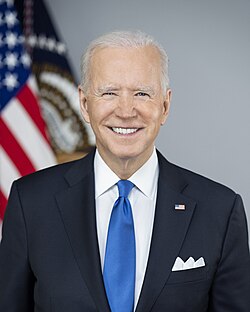 Joe Biden46th President of the United States from 20 January 2021…Affiliated
 Brian SandovalBrian Edward Sandoval (born August 5Affiliated
 Joe LombardoJoseph Michael Lombardo (born November 8Affiliated
 Mark AmodeiMark EAffiliated
How the record is sourced and how the score is derived.
The score is formula-derived (Factrail formula v1, version 1.0.0), not an editorial verdict. Read the methodology.
By the Factrail desk · Method: how we source and score · Last reviewed
Dispute a fact on this pageNamed here, or represent someone who is? Request a right of reply.
People and organizations as listed in the Related section of this page; facts, drivers and the pages that name it as listed in the blocks here. Counts, not a rating.
Named by 5 pages on Factrail.