Russia Hit 9 Ukraine Regions: 8 Dead, Power Cut
TL;DR
Al Jazeera reported on 17 October that Russian attacks killed at least eight people, hit nine Ukrainian regions, and cut power to about one million people. The new toll must be attributed to the report and may change as regional authorities update casualty and outage figures.
By the Factrail desk · Method: how we source and score · Last reviewed
Key graph impact
The article explains graph entities; the causal edges belong to the facts and drivers it links to.
- ArticleRussia Hit 9 Ukraine Regions: 8 Dead, Power Cut
- explainsDriverUkraine war (Crimea–Donbas–2022+)
- strengthensIndicators (5)Global deaths from organized violence (UCDP)
- ArticleRussia Hit 9 Ukraine Regions: 8 Dead, Power Cut
- explainsDriverMilitary Escalation Risk
- strengthensIndicators (2)Global deaths from organized violence (UCDP)
- ArticleRussia Hit 9 Ukraine Regions: 8 Dead, Power Cut
- explainsDriverEnergy Security
- strengthensIndicators (4)Poverty headcount ratio at $3.00 a day (2021 PPP) (% of population)
Strengthens · 85% impact strength
Observed
245k deaths per year · 195k above the normal line (2025)
Worse than normalAbove normal = worse
- Worse
Strengthens · 80% impact strength
Observed
69M people (stock, end-of-year) · 28M above the normal line (2025)
Worse than normal3 readings, 2023–2025: rose from 68M people (stock, end-of-year) to 69M people (stock, end-of-year).
Above normal = worse · Lag ~30 d
Strengthens · 62% impact strength
Observed
10.4% · 10.2 above the normal line (2024)
Worse than normal7 readings, 2018–2024: fell from 11.1% to 10.4%.
Above normal = worse
Weakens · 60% impact strength
Observed
7.97% of population aged 16 years or over · 5.2 above the normal line (2025)
Worse than normal8 readings, 2018–2025: rose from 7.77% of population aged 16 years or over to 7.97% of population aged 16 years or over.
Above normal = worse · Lag ~3 mo
Article
Russia Strikes Nine Ukrainian Regions as Power Outages Spread on 17 October
Russian attacks struck nine Ukrainian regions and left about one million people without power, with at least eight people killed, Al Jazeera reported on 17 October 2026. The toll and outage estimate are time-sensitive and should be attributed to that report rather than treated as a final national count. The attacks came as Ukraine was preparing for winter and as the United States was pausing significant Russia-related sanctions, a juxtaposition that has renewed questions about the credibility of pressure on Moscow.
Who is accountable?
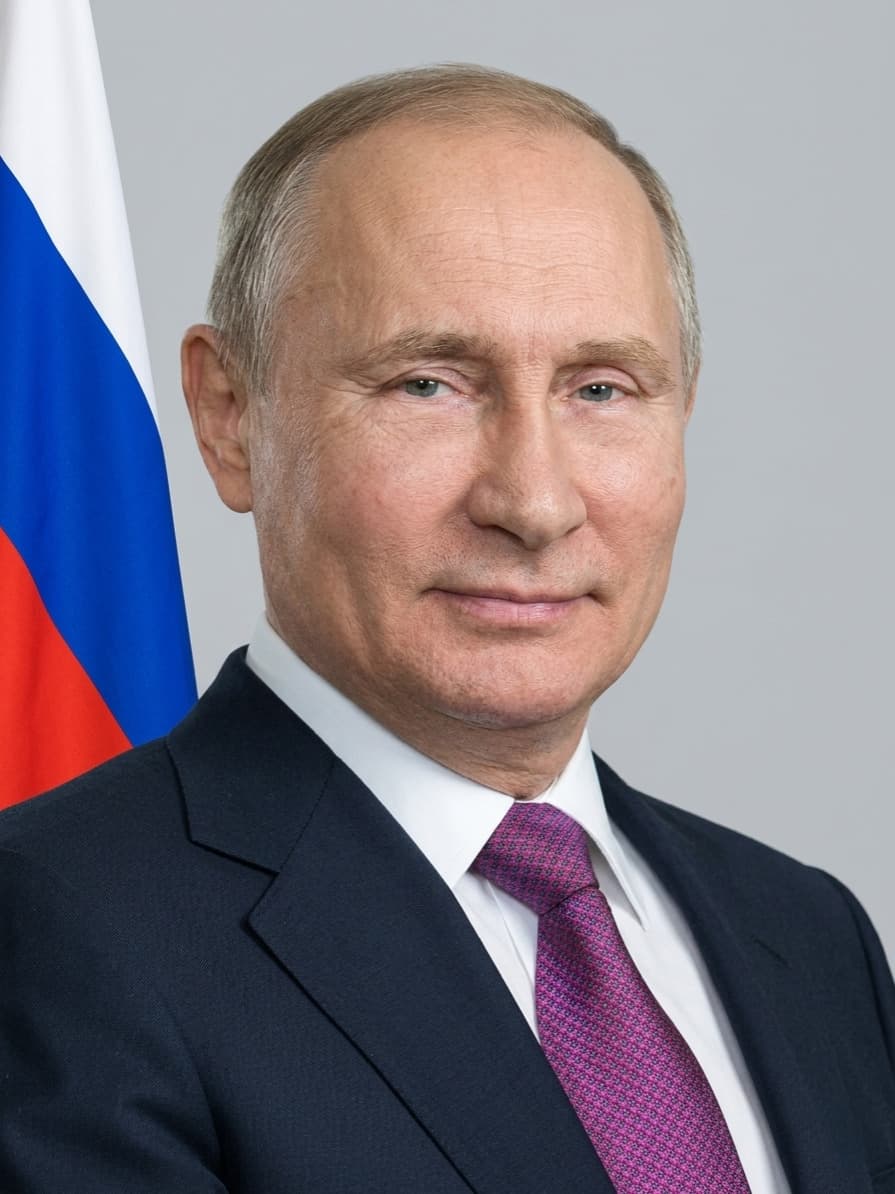
The attacks are part of Russia’s war against Ukraine, launched by Vladimir Putin (opens in a new tab)’s government in 2022. The immediate responsibility for Russian military operations rests with the Russian command and political leadership. That does not mean every damage report is independently verified at the moment it is first published: casualty numbers, the number of regions affected, and the scale of power disruption can change as emergency services and local authorities provide updates. Accurate reporting should identify the source and timestamp for each figure.
Ukraine’s authorities face a separate responsibility to restore essential services, communicate outage schedules, and protect civilians as far as possible. President Volodymyr Zelenskyy (opens in a new tab) has sought air-defence support from European partners as attacks on cities and energy facilities continue. The strongest Russian official defence in previous attacks has described energy sites as supporting military logistics; that claim does not automatically establish that every targeted facility was a lawful military objective or that the resulting civilian harm was proportionate. Those questions require evidence about each site and strike.
The human cost of power attacks
A power outage is more than a lost light. It can disrupt heating, water pumping, hospitals, communications, transport, food storage, and the ability of people with disabilities or older residents to remain safely at home. When outages occur across many regions at once, repair crews and backup equipment must be allocated under pressure. The human cost therefore extends beyond the direct death toll, although the available reports do not yet quantify all indirect effects from this specific attack.
The timing matters. As temperatures fall, energy infrastructure becomes central to civilian survival and economic activity. A prolonged outage can compound displacement and make it harder for schools, clinics, and businesses to operate. Those consequences are reasons to seek transparent damage assessments and restoration data, not reasons to invent a wider casualty estimate before the evidence is available.
The contradiction around an energy truce
The attacks also test the claim that a limited energy ceasefire is in effect. RFE/RL’s 16 October report described continued Russian attacks on Ukrainian cities, power plants, and other facilities, despite Trump’s earlier announcement of a limited truce on energy infrastructure. The same report said Putin had instructed Russian forces to continue “massive and coordinated strikes against enemy targets.” The record supports describing the truce as disputed in practice; it does not establish the terms of every private communication or prove that all sides interpreted the arrangement identically.
At the same time, Trump’s decision to waive significant Russia-related sanctions and tariffs before they took effect changes the diplomatic backdrop. It is not evidence that the waiver caused the strikes. It is evidence that the pressure policy is being adjusted while civilian harm continues. Trump’s administration says energy costs and national interest matter; Ukraine argues that easing energy restrictions can return revenue to Russia without securing a halt to attacks.
Connections and receipts
The Ukraine war driver (opens in a new tab) explains the conflict context; the energy-security driver (opens in a new tab) captures the dependence of households and services on reliable supply; the humanitarian-access driver (opens in a new tab) concerns whether people can obtain basic services and assistance. These connections should not be read as proof of a single causal chain from one political decision to each outage. The attack reports document a military event and its immediate reported effects; the policy debate is a related but separate question.
Al Jazeera’s 17 October report is the source for the headline figures of at least eight deaths and about one million people affected by power cuts. Ukrainska Pravda and Euronews provided additional contemporaneous coverage, while local authorities continued updating damage and restoration information. The figures may change as different agencies publish reports at different times. Ukrainska Pravda and Euronews provide additional contemporaneous coverage. The prior Kyiv emergency power cuts report (opens in a new tab) is background only; this article concerns the new 17 October wave rather than rewriting the earlier Kyiv report.
What happens next?
The next reliable updates should identify the regions affected, confirm deaths and injuries, report how many customers remain without power, and give restoration estimates where officials can provide them. Independent verification of damage sites will help separate military claims from confirmed civilian infrastructure damage. European and U.S. decisions on air defence, energy assistance, and sanctions should be assessed against concrete outcomes rather than summit rhetoric alone.
Questions people ask
How many died in Russia's October 2026 strikes on Ukraine?
Al Jazeera reported at least eight deaths on 17 October. Casualty figures can change as local authorities update reports, so the number should remain attributed and timestamped.
Did Russia cut power to a million Ukrainians?
Al Jazeera reported that power was cut to about one million people. AP described widespread outages in its separate report; the exact total may change as restoration and damage information is updated.
Which Ukrainian regions were hit?
Reports said nine regions were affected, but the full list and impact in each region should be taken from the latest regional and national updates rather than inferred from the national total.
Evidence
The sources this article cites, claim-bearing material first.
- Al Jazeera · Al Jazeera — www.aljazeera.com
- Ukrainska Pravda · Ukrainska Pravda — www.pravda.com.ua
- RFE/RL · RFE/RL — www.rferl.org
- euronews.com · euronews.com — www.euronews.com
More analysis
Ranked by shared facts, drivers and people — never by publication date alone.
Articles12
- Zelenskyy: Diesel Deal Puts Cash in Putin’s PocketShares the driver: Ukraine war (Crimea–Donbas–2022+) · 17 October 2026
- Ukraine Ran Out of Patriot Interceptors: What It Means for Air DefenseShares the driver: Ukraine war (Crimea–Donbas–2022+) · 15 October 2026
- Is Britain Escalating Ukraine Support as Trump Eases Russian Diesel?Shares the driver: Ukraine war (Crimea–Donbas–2022+) · 14 October 2026
- Why Did Trump Waive Graham Act Sanctions?Shares the driver: Ukraine war (Crimea–Donbas–2022+) · 17 October 2026