WHO declares COVID-19 a PHEIC
On 30 January 2020 in Geneva, after the second meeting of the International Health Regulations (2005) Emergency Committee on novel coronavirus (2019-nCoV) (13:30–18:35 Geneva time), the WHO Director-General determined that the outbreak constituted a Public Health Emergency of International Concern and issued the Committee’s advice as IHR Temporary Recommendations.
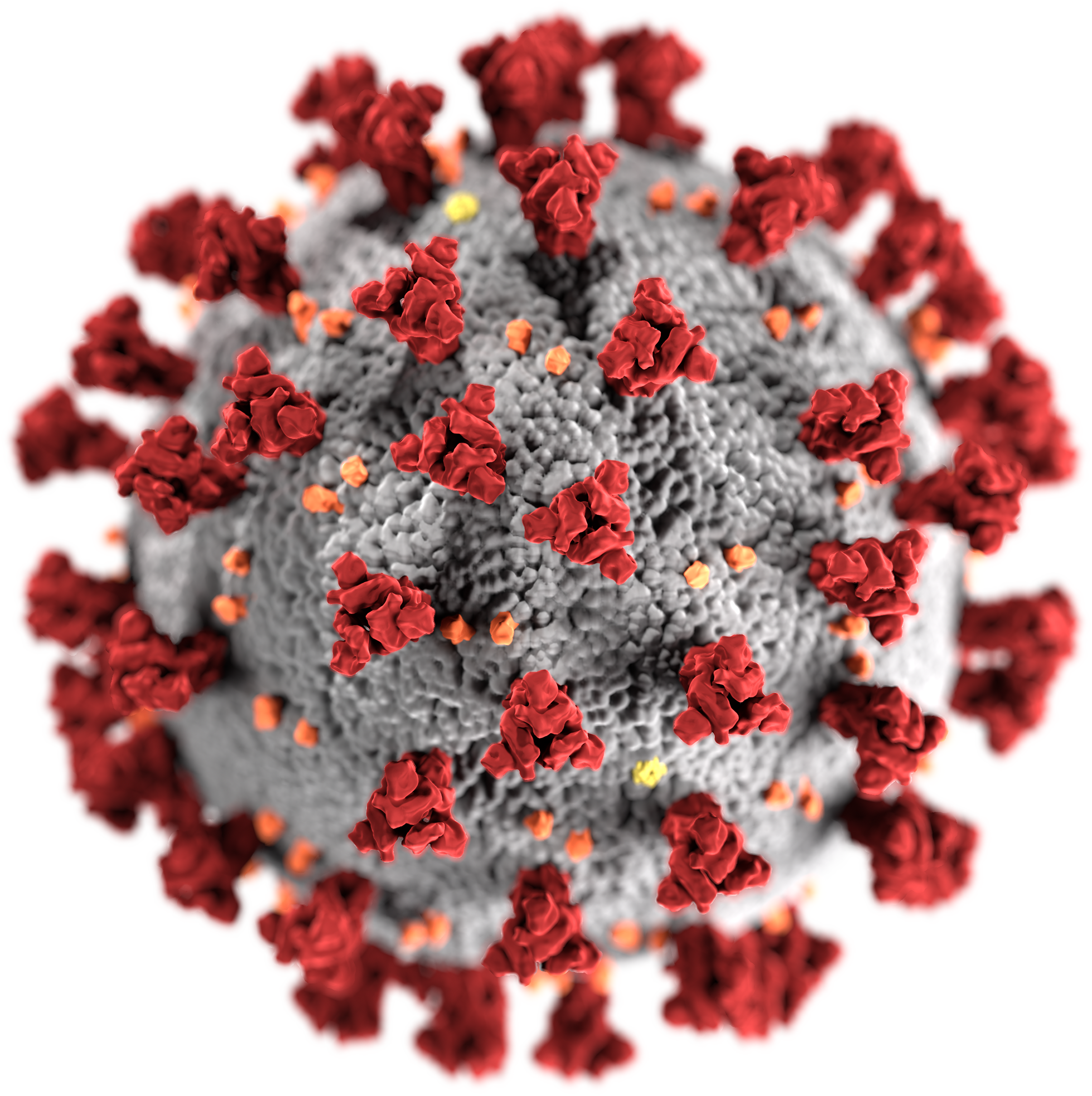
Read the full account
On 30 January 2020 in Geneva, after the second meeting of the International Health Regulations (2005) Emergency Committee on novel coronavirus (2019-nCoV) (13:30–18:35 Geneva time), the WHO Director-General determined that the outbreak constituted a Public Health Emergency of International Concern and issued the Committee’s advice as IHR Temporary Recommendations. The official Committee statement records: “The Director-General declared that the outbreak of 2019-nCoV constitutes a PHEIC and accepted the Committee’s advice and issued this advice as Temporary Recommendations under the IHR.” The same day the Director-General said, in the published WHO speech, “I am declaring a public health emergency of international concern over the global outbreak of novel coronavirus.” That determination is the Fact.
Context
The IHR (2005) Emergency Committee first met on 22–23 January 2020 and did not advise a PHEIC. The Director-General’s 23 January statement said he was not declaring a PHEIC that day and that the Committee was divided. WHO’s own later timeline (27 April 2020) records that the 30 January reconvening followed additional exportations and reports of limited human-to-human transmission outside China, and that this was the sixth PHEIC determination since the IHR (2005) entered into force.
The Committee chair on 30 January was Didier Houssin. The determination is an act of the Director-General on Committee advice. Tedros Adhanom Ghebreyesus held that office; he has no public-complete Factrail Person page and is stored here as plain text. António Guterres was United Nations Secretary-General. A Secretariat good-offices neighbour is not authorship of an IHR determination. He did not sit as the Emergency Committee and he did not issue Temporary Recommendations.
The Committee did not recommend travel or trade restrictions on the information then available. Temporary Recommendations asked China to continue containment, surveillance, exit screening, and data sharing, and asked all countries to prepare for containment, including surveillance, isolation, contact tracing, and information sharing under the IHR. Article 43 obligations on additional health measures that significantly interfere with traffic sat on States Parties, not on a UN Secretary-General communique.
The 11 March 2020 pandemic characterization is a later WHO Director-General statement on a different date.
Keep 30 January 2020 off 11 March 2020. Keep the IHR determination off a later excess-death estimate. Keep the Secretary-General off the Director-General’s signature. Neighbouring live rows, if present, include later COVID instruments; they do not copy this PHEIC.
The WHO Director-General may determine a PHEIC under the IHR (2005) and issue Temporary Recommendations. That office cannot enact a member-state lockdown, write a US statute, command an army, or print a unique Factrail death coefficient. The United Nations Secretary-General is a neighbouring Charter officer, not the IHR decision-maker on this date.
Why it matters
The 30 January 2020 PHEIC is the IHR (2005) highest-alarm determination that turned the emergency architecture on for this outbreak. Interpretation of lateness, adequacy, or later lockdown statutes lives on the impact path, not as an editorial in this event record. A PHEIC does not move a unique under-five mortality coefficient without a later, dated series. It does not command a member-state stay-at-home order.
Who was responsible
Contribution type and responsibility level for each recorded actor — not sole-author shorthand.
No public contributors are listed for this fact.
What changed
Fact → Driver → Indicator. Relationship strength orders the paths; it is not the observed indicator movement.
- FactWHO declares COVID-19 a PHEIC
- sets in motionDriverPandemic Preparedness
- strengthensIndicators (2)Life expectancy at birth
impact weight 1 · Effect from 30 January 2020 · verified
The 30 January 2020 PHEIC is the IHR (2005) determination that turned the emergency architecture on for 2019-nCoV.
Strengthens · Relationship strength 0.69 (weight 1 × strength 0.69)
Observed
80 Years · 2.3 below the normal line (2023)
Worse than normal6 readings, 2018–2023: rose from 79.5 Years to 80 Years.
Above normal = better
- Better
Strengthens · Relationship strength 0.62 (weight 1 × strength 0.62)
Observed
71 INDEX · 0.25 above the normal line (2023)
Better than normal6 readings, 2018–2023: rose from 69 INDEX to 71 INDEX.
Above normal = better
- FactWHO declares COVID-19 a PHEIC
- strengthensDriverCOVID-19 pandemic
- weakensIndicators (3)Life expectancy at birth
impact weight 0.4 · verified
Use as a dated escalation/recognition marker. [impact_weight null in pack → provisional 0.4 stored only because fact_driver_impacts.impact_weight is NOT NULL; not a sourced magnitude]
Weakens · Relationship strength 0.3 (weight 0.4 × strength 0.75)
Observed
80 Years · 2.3 below the normal line (2023)
Worse than normal6 readings, 2018–2023: rose from 79.5 Years to 80 Years.
Above normal = better
Strengthens · Relationship strength 0.28 (weight 0.4 × strength 0.7)
Observed
37.4 deaths per 1,000 live births · 12.4 above the normal line (2024)
Worse than normal7 readings, 2018–2024: fell from 40 deaths per 1,000 live births to 37.4 deaths per 1,000 live births.
Above normal = worse
Weakens · Relationship strength 0.26 (weight 0.4 × strength 0.65)
Observed
84% of one-year-olds · 11 below the normal line (2024)
Worse than normal7 readings, 2018–2024: fell from 86.4% of one-year-olds to 84% of one-year-olds.
Above normal = better
Evidence
The sources behind this fact and its verification state.
- 1.World Health Organization — www.who.intWorld Health Organization · verified
- 2.Reuters — WHO declares global emergency as China virus death toll reaches 170, 30 January 2020Reuters · High credibility · verified
- 3.Statement on the second meeting of the International Health Regulations (2005) Emergency Committee regarding the outbreak of novel coronavirus (2019-nCoV), 30 January 2020World Health Organization · High credibility · verified
What the sources establish
The Committee record on that day, as printed in the official statement, reported 7,711 confirmed and 12,167 suspected cases in China, 1,370 severe among the confirmed, 170 deaths in China, and 83 cases in 18 countries outside China, of which seven had no travel history in China, with human-to-human transmission in three countries outside China and no deaths outside China on that print.
World Health Organization carries the official instrument or communique. Reuters records the same dated act independently.
Established: On 30 January 2020 the WHO Director-General determined that the 2019-nCoV outbreak constituted a PHEIC and issued IHR Temporary Recommendations, after the second Emergency Committee meeting that day; Reuters independently reported the same-day global-emergency declaration; the first Committee meeting on 22–23 January had not advised a PHEIC.
Not established: A unique global death coefficient, an excess-mortality total, a finding that the Secretary-General authored the IHR act, a travel-ban command, or that the 23 January non-declaration uniquely caused later welfare without a separate dated series.
The Committee advised. States Parties implement. The United Nations Secretary-General did not issue the PHEIC. This page does not mint a Person row for the Director-General.. A later repeal, court stay, or successor order would be a different Fact with a different date.
Co-authors and later implementers named in Context remain on the file. The contribution described on this Person row is limited to The IHR determination is the Director-General’s. The Committee advised. States Parties implement. That limit is the alternative to treating office-holding as authorship of every later series.
Causal path
How this event connects to drivers and indicators in the graph.
- FactWHO declares COVID-19 a PHEIC
- sets in motionDrivers (2)Pandemic Preparedness
- strengthensIndicatorLife expectancy at birth
Cite this page
Factrail. (2026). WHO declares COVID-19 a PHEIC. Factrail. https://factrail.ai/facts/who-pheic-covid-2020-01
https://factrail.ai/facts/who-pheic-covid-2020-01
Accessed 15 October 2026.
By the Factrail desk · Method: how we source and score · Last reviewed
Dispute this factNamed here, or represent someone who is? Request a right of reply.