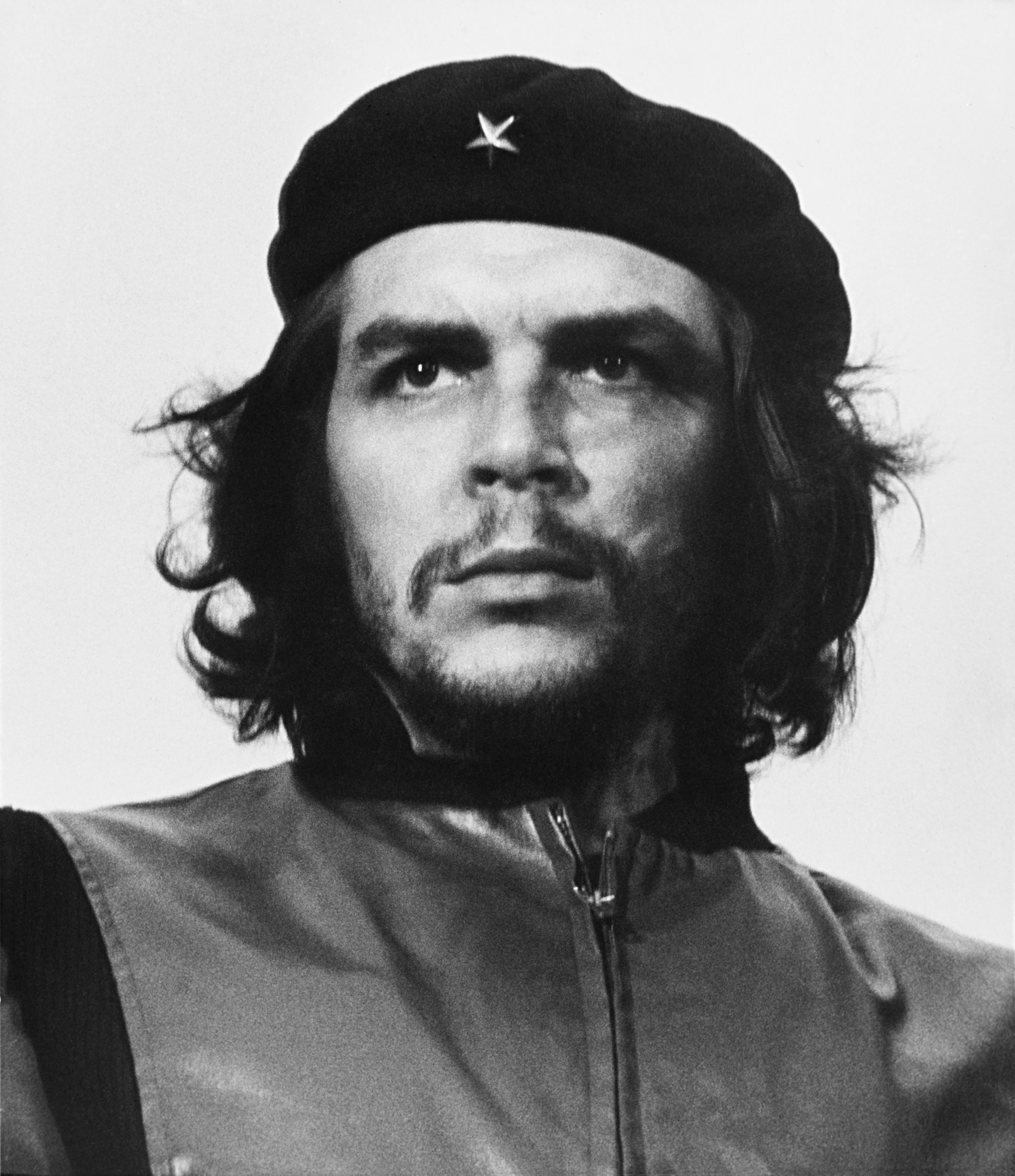
The offices he actually held
Guevara is a column commander, fortress commander, National Bank president, and minister of industry, and then a foreign guerrilla. Britannica at https://www.britannica.com/biography/Che-Guevara (opens in a new tab), the Congo-Bolivia continuation at https://www.britannica.com/biography/Che-Guevara/The-Congo-Bolivia-and-death (opens in a new tab), Marxists Internet Archive texts at https://www.marxists.org/archive/guevara/ (opens in a new tab), FRUS at https://history.state.gov/historicaldocuments/frus1958-60v06 (opens in a new tab), and the National Security Archive Bolivia briefing at https://nsarchive.gwu.edu/briefing-book/cuba/2017-10-09/che-guevara-and-death-secret-cia-history (opens in a new tab) are independent public files.
The first fact about his power is an armed landing in 1956. The second is La Cabaña in 1959. The third is a ministry whose public file includes shortages. The fourth is Congo and Bolivia.
What went wrong
Granma opened a war. Sierra discipline included executions of accused deserters; counts remain incomplete and are not upgraded here to a unique coefficient. Santa Clara was column war. La Cabaña combined fortress command with execution tribunals. Extra-legal procedure is stored separately from the killings. Industry shortages and self-criticism are the cost sign of the ministry. Guerrilla Warfare (1960) is a foco manual, one book, not chapter-Facts. Socialism and Man (12 March 1965) defends unpaid labour. Congo 1965 and Bolivia 1966–67 are foreign wars he led. The 8–9 October 1967 shooting ends a campaign he authored; Bolivian and CIA-adjacent offices fired.
What improved
A 1953 medical qualification. A 1952 San Pablo leprosy visit — the trip, not later diary HTML. Sierra physician work. The 1 January 1959 end of Batista, shared with Castro. INRA tenant access, twin of estate displacement. 1961 literacy backing, not sole authorship. Rural clinics and hospital access. Punta del Este 8 August 1961. The industry office as plan, twin of shortages. The 11 December 1964 UN speech naming colonialism and apartheid. Rebel-army integration as an internal rule. Scholarships. Planning statistics. Volunteer sugar as a cohesion ritual, twin of the unpaid-labour letter.
Related people: Fidel Castro, Raúl Castro, Camilo Cienfuegos, Alberto Granado, Celia Sánchez, Tamara Bunke, Mario Monje, Laurent-Désiré Kabila as Congo milieu, Jean-Paul Sartre as later visitor, Mao Zedong as 1960 counterpart.
The live Person, if absent, is created only through PeopleService at apply. Later Loeb, UNESCO, and encyclopedia pages are evidence, not additional acts. Related 2024–2025 news about COP, NATO, or a chancellorship is not a relation. Shared work remains named. What would change the reading is a contradictory original with a different date or signatory. Shared work remains named. Shared work remains named.