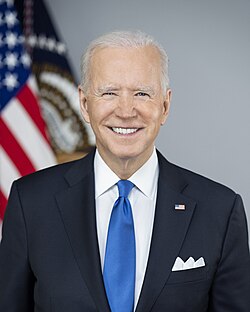
Jeff Zients
Jeffrey Dunston Zients (born November 12, 1966) is an American business executive and government official who served as White House Chief of Staff…
- Facts0
- Drivers0
- Indicators0
Jeffrey Dunston Zients (born November 12, 1966) is an American business executive and government official who served as White House Chief of Staff…
is an American business executive and government official who served as White House Chief of Staff from February 2023 to January 2025 during the administration of President Joe Biden.
Zients began his professional career in management consulting at Bain & Company, focusing on strategy and operational improvements for large corporations, before transitioning to executive roles in the private sector. He later served as CEO of The Advisory Board Company, a consulting firm for healthcare and education sectors, and as CEO of Comcast Cable, where he managed business operations and financial performance. His business tenure has drawn criticism for practices at Advisory Board involving aggressive revenue recognition and billing tactics that prompted lawsuits alleging fraudulent overbilling of government programs, resulting in significant settlements.
In government service, Zients held key positions during the Obama administration, including Deputy Director for Management at the Office of Management and Budget, Acting OMB Director, and Director of the National Economic Council, where he contributed to operational reforms such as the technology overhaul of HealthCare.gov. Under Biden, he co-chaired the presidential transition team, led the COVID-19 response coordination overseeing vaccination distribution and policy implementation, and assumed the Chief of Staff role amid internal challenges, including later admissions that President Biden's age-related limitations impacted decision-making in his final years. Zients's management style, characterized by data-driven efficiency, has been praised for streamlining White House operations but faulted by some for prioritizing corporate-like metrics over policy substance and for dismissing staff concerns on issues like workplace harassment allegations.
Jeffrey Dunston Zients was born on November 12, 1966, at Walter Reed Hospital in Washington, D.C., to Alan Zients, a psychoanalyst based in Manhattan, and Deborah (Debbie) Zients. His parents later divorced, and his family maintained ties to Jewish traditions, with Zients himself affiliated with the Washington Hebrew Congregation, a Reform synagogue. The Zients family descended from Jewish immigrants, including paternal ancestors from Poland and maternal ones from Russia.
Zients was raised in Kensington, Maryland, an affluent suburb approximately 10 miles from the White House, in a well-to-do household that emphasized education and professional achievement. His mother, active in nonprofit volunteering including with Women for Women International, described him as intellectually gifted yet compassionate from a young age. He attended St. Albans School, an elite all-boys preparatory institution in Washington, D.C., graduating in 1984, which provided a rigorous academic foundation aligned with his family's values of discipline and public service orientation. This upbringing in the proximity of federal government institutions likely fostered early exposure to policy and management environments that influenced his later career trajectory.
Zients attended St. Albans School in Washington, D.C., graduating in 1984 after participating on the wrestling team. He then enrolled at Duke University, majoring in political science. In 1988, Zients earned a Bachelor of Science degree summa cum laude from Duke. No records indicate subsequent involvement in teaching, research, or other traditional academic pursuits following his graduation; Zients transitioned directly into private sector consulting roles.
Zients began his career in management consulting at Bain & Company shortly after graduating from Duke University in 1988, where he focused on strategy development and operational enhancements for Fortune 1000 companies. His tenure at Bain lasted until the early 1990s, providing foundational experience in private-sector efficiency and problem-solving that later informed his executive roles.
In 1992, Zients joined The Advisory Board Company, a research and consulting firm targeted at healthcare and higher education organizations. He rose rapidly within the firm, serving as chief operating officer from 1996 to 1998, chief executive officer from July 1998 to June 2001, and chairman from 2001 to 2004. Under his leadership as CEO, the company expanded its membership-based advisory services, which involved providing data-driven insights and best practices to clients, contributing to significant growth in revenue and operations.
Concurrently, from 2000 to 2001, Zients held the position of chairman at the Corporate Executive Board (CEB), a separate organization offering research and advisory resources to corporate leaders on governance, operations, and strategy. These roles emphasized his expertise in advisory services for executive decision-making in complex industries.
Zients founded Portfolio Logic LLC in 2003, serving as its managing partner until 2009. The firm operated as a private investment vehicle, concentrating on healthcare and business services sectors with a strategy emphasizing small-cap public and private companies. Zients funded the initial operations personally and directed investments into portfolio companies, where he often took board seats to influence operations and strategy.
Among its holdings, Portfolio Logic invested in healthcare-related entities, such as becoming a stakeholder in PSA—a firm aligned with its focus areas—in 2004. The firm's approach leveraged Zients's prior experience in management consulting and executive leadership to identify undervalued opportunities requiring operational enhancements, mirroring tactics from his tenure at the Advisory Board Company.
In 2015, Portfolio Logic settled False Claims Act allegations for $6.88 million, stemming from a whistleblower suit claiming the firm failed to report and refund Medicare and Medicaid overpayments received by one of its portfolio companies, a home health-care provider. The resolution addressed obligations under the Affordable Care Act's overpayment provisions but did not include an admission of liability. This episode highlighted risks in healthcare investments involving government reimbursements, though it represented a discrete matter amid the firm's broader activities.
Zients founded Portfolio Logic LLC in 2004, serving as managing partner until 2009, with the firm concentrating on investments in healthcare and business services companies. In this capacity, he directed acquisitions and operational improvements in target firms, including oversight of billing practices that later drew federal scrutiny, culminating in a $6.9 million settlement in 2009 to resolve allegations of improper Medicare and Medicaid claims submission by a portfolio company. Zients also sat on the boards of directors for several Portfolio Logic portfolio companies, leveraging his experience to guide strategic decisions.
Financial disclosures from 2011, during his early Obama administration service, highlighted Zients's significant investments in health services and HMOs, totaling between $50 million and $100 million, with PSA Healthcare—a home-based pediatric care provider—as his largest single asset, valued in the $50 million to $100 million range. These holdings stemmed primarily from Portfolio Logic's sector-focused strategy, which emphasized undervalued service providers amenable to efficiency enhancements. Miscellaneous finance investments added another $15 million in disclosed value, underscoring a diversified yet industry-aligned portfolio built on his prior consulting background.
Beyond Portfolio Logic, Zients held executive board roles earlier in his career, including as Chairman of the Corporate Executive Board from 2000 to 2001, where he expanded membership-based research services for corporate leaders. He also co-founded the Urban Alliance in 2002, serving on its board to support youth workforce development programs in underserved communities, a position he maintained as Board Member Emeritus post-government service. These engagements reflected Zients's blend of for-profit investment acumen and philanthropic board involvement in economic opportunity initiatives.
Jeffrey Zients was nominated by President Barack Obama in April 2009 to serve as the Deputy Director for Management of the Office of Management and Budget (OMB) and as the first federal Chief Performance Officer, a newly created position aimed at enhancing government efficiency. The U.S. Senate confirmed him on June 19, 2009. In this role, Zients oversaw the administration's management agenda, focusing on performance measurement, resource allocation, and operational improvements across federal agencies. He emphasized integrating performance data into decision-making to drive better outcomes, such as reducing costs while maintaining or enhancing service delivery.
Zients served as acting OMB Director on two occasions: from June to October 2010, following Peter Orszag's departure, and from January 2012 to April 2013, after Jacob Lew's confirmation as Director. During these periods, he managed the federal budget process, including negotiations amid debt ceiling crises and potential shutdowns, as evidenced by his 2011 briefing on shutdown risks. He led the Accountable Government Initiative, which sought to identify savings, streamline operations, and improve accountability through targeted reviews of agency programs.
Key efforts under Zients included establishing high-priority performance goals with major agencies and launching performance.gov in 2011 to publicly track progress on these goals, promoting transparency in government operations. He advocated for a management framework that prioritized outcomes over mere metrics, arguing that effective leadership and innovation were essential for real improvements, though he noted challenges in areas like senior executive recruitment priorities. These initiatives contributed to the Government Performance and Results Act Modernization Act of 2010, which institutionalized performance planning, but measurable long-term efficiency gains across the bureaucracy remained limited amid entrenched structural issues. Zients' private-sector background informed his push for business-like reforms, though some observers questioned the applicability of corporate strategies to federal operations.
In October 2013, following the troubled launch of Healthcare.gov on October 1, which experienced widespread technical failures including frequent crashes, slow load times, and application errors affecting up to 6% of user interactions, Jeffrey Zients was tasked with overseeing the site's operational recovery. Zients, who had previously served as acting director of the Office of Management and Budget until April 2013, returned to the administration on October 21, 2013, to lead a "tech surge" effort, coordinating federal agencies, contractors, and private-sector experts to diagnose and resolve core issues such as data services bottlenecks, identity verification problems, and insufficient server capacity. He emphasized triage prioritization, focusing first on stabilizing the enrollment funnel for the 36 states using the federal platform, and committed to achieving functionality for the "vast majority" of users by the end of November.
Zients implemented a structured turnaround plan, assembling a war room at the Centers for Medicare & Medicaid Services and deploying over 500 personnel, including specialists from companies like Accenture and MITRE, to conduct round-the-clock testing and incremental deployments. By late November, key metrics showed substantial improvement: the site could handle 50,000 concurrent users (up from initial peaks causing overload at far lower volumes), response times averaged under 3 seconds for most pages, and error rates dropped below 1%. On December 1, 2013, Zients reported to reporters that the platform was operational for approximately 80% of users without major disruptions, meeting the administration's self-imposed deadline ahead of the December open enrollment rush, though lingering issues persisted for complex applications and certain demographic groups.
The recovery effort under Zients' direction facilitated a rebound in enrollments, with over 1 million applications submitted in November alone compared to under 100,000 in October, attributing success to rigorous performance monitoring and phased rollouts rather than a complete overhaul. Critics, including congressional Republicans, questioned the initial contracting and oversight leading to the failure—such as reliance on CGI Federal for core development without adequate stress testing—but acknowledged the post-launch fixes as evidence of adaptive management, though full stability required ongoing refinements into 2014. Zients' approach drew on his private-sector experience in operational efficiency, prioritizing empirical diagnostics over political timelines.
Jeffrey Zients was nominated by President Barack Obama on September 13, 2013, to serve as Director of the National Economic Council (NEC), replacing Gene Sperling upon his departure at the end of the year; Zients assumed the role in early 2014 and served until January 20, 2017. In this position, also designated as Assistant to the President for Economic Policy, Zients coordinated the administration's economic policymaking across domestic and international agencies, chaired interagency economic policy meetings, and advised the President on integrating fiscal, financial, and regulatory policies to promote growth and job creation.
Zients' tenure focused on sustaining the economic recovery initiated after the 2008-2009 recession, emphasizing middle-class wage growth, manufacturing resurgence, and investments in clean energy and education. Under the Obama administration's economic strategy, which Zients helped implement, the U.S. added 15.5 million jobs from early 2010 through 2016, with unemployment falling from a peak of 10% to below 5%; annual deficits were reduced by approximately two-thirds from their post-recession highs. Key policy efforts included leveraging the American Recovery and Reinvestment Act's lingering effects, such as investments that supported 2.5 million jobs at peak impact and aided the auto industry's recovery (adding 600,000 jobs), alongside financial reforms establishing the Consumer Financial Protection Bureau, which returned $12 billion to consumers by 2016.
Zients also prioritized expanding access to education through increased Pell Grants and proposals for universal pre-K and tuition-free community college, while advancing clean energy initiatives funded by the Recovery Act to foster long-term competitiveness. His role involved aligning these priorities with broader fiscal discipline, though critics from progressive outlets argued that earlier performance-oriented reforms under his prior OMB stints had underdelivered on promised waste reduction, potentially influencing perceptions of economic management continuity. No major controversies directly tied to his NEC directorship emerged, with his tenure concluding amid a backdrop of steady but debated growth rates averaging around 2% annually.
Zients served on the board of directors of Facebook, Inc. from May 2018 until early 2020. In his role as an independent director, he contributed operational and management expertise, particularly through membership on the company's audit committee. His appointment followed Facebook's governance challenges, including data privacy issues, with the company citing Zients' background in crisis management and efficiency improvements as assets for oversight. Zients resigned from the board in 2020 ahead of his involvement in the Biden presidential transition, divesting his shares to mitigate potential conflicts of interest. No other documented engagements in social media firms or broad technology investments characterized his private sector activities during this period, with his focus primarily on leadership at Cranemere, a holding company without prominent tech portfolio holdings.
The Cranemere Group was founded in 2014 by Vincent Mai, a private equity executive who previously led AEA Investors as chairman and CEO for over two decades. Mai established the firm as a privately owned holding company with perpetual capital, designed to enable indefinite ownership of portfolio companies and avoid the short-term exit pressures common in traditional private equity. This structure draws inspiration from Berkshire Hathaway, prioritizing long-term value creation through operational enhancements, innovation, and sustainable growth rather than leveraged buyouts followed by quick sales within 3-5 years.
Cranemere's operations focus on acquiring stakes in market-leading, founder-led or family-owned businesses, primarily in industrial sectors across the United States and Europe. The firm provides flexible, patient capital alongside strategic guidance, emphasizing collaborative governance, aligned incentives between shareholders and management, and integration of environmental sustainability with profitability. It positions business as a "force for good," incorporating principles like the Seventh Generation ethos for multi-decade stewardship that balances economic returns with societal impact. As of 2023, Cranemere managed about $2.6 billion in shareholder equity with a team of approximately 50 professionals.
Jeffrey Zients served as CEO from 2017 to December 2020, during which the firm expanded its long-hold strategy, nearing a $1.5 billion commitment close in 2019 for perpetual investments. Under Zients, Cranemere invested in healthcare services via NorthStar Anesthesia and manufacturing through Marmite International SA, a producer of cast marble sanitary products. Zients resigned to lead the Biden transition's COVID-19 efforts, with Mai retaining the chairman role and later appointing Kamil M. Salame as CEO in 2023.
Jeff Zients served as the White House COVID-19 Response Coordinator from January 2021 to April 2022, overseeing the federal government's efforts to vaccinate the population, expand testing and therapeutic access, and manage supply chains amid ongoing pandemic waves. Appointed shortly after President Biden's inauguration, Zients coordinated a team that ramped up daily vaccine administrations from under 1 million doses to over 3 million by April 2021, meeting the administration's goal of 200 million doses in the first 100 days. He also managed responses to vaccine-specific issues, such as the temporary pause of the Johnson & Johnson vaccine in April 2021 due to rare blood clot concerns, which affected less than 5% of total doses administered at the time.
Under Zients' leadership, the U.S. achieved significant vaccination coverage, with 77% of eligible Americans receiving at least one dose by October 2021, bolstered by federal mandates including OSHA requirements for large employers. The White House attributed the vaccination program to saving an estimated 2.2 million lives, preventing 17 million hospitalizations, and averting 66 million cases through April 2022, based on modeling of infection rates without vaccines. Efforts extended to booster campaigns, free rapid test distribution, and antiviral treatments like Paxlovid, though supply constraints persisted into late 2021.
Zients' tenure faced challenges from emerging variants, including Delta in mid-2021, which led to resurgent cases despite high vaccination rates among adults. The administration, under his coordination, promoted optimistic projections, such as widespread independence from COVID-19 by July 4, 2021, but these were undermined by Delta's spread, prompting renewed masking recommendations and school closures in some areas. Critics argued that insufficient emphasis on testing expansion and complacency in messaging contributed to preventable surges, while global vaccination efforts lagged, with low-income countries at only 14% coverage by early 2022 despite U.S. donations. Zients defended the focus on domestic logistics while supporting international aid, stating there was no trade-off between vaccinating Americans and the world.
Jeffrey Zients served as Counselor to the President from January 20, 2021, to April 4, 2022, a role established specifically through Executive Order 13987 to lead the executive branch's operational response to the COVID-19 pandemic. In this position, he functioned as the principal advisor to President Biden on coordinating and implementing federal pandemic policies, with authority to convene the White House COVID-19 Response Team comprising senior officials from relevant agencies.
Zients' responsibilities encompassed directing interagency efforts to accelerate vaccine production, distribution, and administration, aiming for equitable access across populations while addressing supply chain bottlenecks for testing, therapeutics, and personal protective equipment. He oversaw the mobilization of federal resources, including partnerships with state, local, tribal, and territorial governments, to execute deployment strategies that by mid-2021 had administered over 300 million vaccine doses nationwide. Reporting through the Assistant to the President for Domestic Policy, Zients emphasized data-driven performance metrics and rapid problem-solving, leveraging his background in operational turnarounds to enforce accountability across departments such as Health and Human Services and Defense.
The counselor's mandate extended to integrating public health guidance into federal operations, such as mandating masks and social distancing in government facilities and coordinating economic relief tied to containment measures, though execution remained centered on unifying disparate agency actions under a singular operational framework. This role concluded as vaccination rates stabilized and the acute crisis phase subsided, with Zients transitioning to prepare for broader White House leadership.
Zients served in this capacity until the conclusion of Biden's presidency on January 20, 2025. As Chief of Staff, Zients managed White House operations, coordinated policy implementation across agencies, and oversaw internal staffing and strategic planning.
Zients implemented a business-oriented management approach, shifting from his predecessor's style by emphasizing delegation, structured processes, and committee-based decision-making to enhance efficiency. He appointed Natalie Quillian as an additional deputy chief of staff in 2023 to focus on legislative packages, contributing to the execution of prior enactments such as the Infrastructure Investment and Jobs Act, the Inflation Reduction Act, and the CHIPS and Science Act. Zients directed the internal strategy for debt ceiling negotiations in spring 2023, which culminated in a bipartisan Fiscal Responsibility Act signed on June 3, 2023, suspending the debt limit until January 2025 and imposing spending caps to avert default. These efforts were credited with stabilizing fiscal operations amid partisan tensions.
Early challenges included adjustments to Zients' corporate-style meetings, which shortened durations and incorporated senior advisers like Steve Ricchetti and Anita Dunn, leading to reported growing pains among staff accustomed to prior dynamics. In March 2023, Biden's reversal of support for a D.C. crime bill drew criticism from House Democrats, including Rep. Gerry Connolly, who cited insufficient consultation, straining relations with some congressional allies. Progressives and lawmakers like Rep. Pramila Jayapal expressed reservations about Zients' political instincts and Hill engagement, grading his initial performance variably low while noting responsiveness on specific issues. Despite such friction, Zients' tenure saw morale improvements through staff events, including a January 2024 party, and unified responses to crises like the July 2024 post-debate all-staff call. Critics from left-leaning outlets attributed policy centrist tilts to his influence, though Zients maintained focus on operational execution over ideological shifts.
On September 18, 2025, Jeff Zients, former White House Chief of Staff under President Joe Biden, provided closed-door testimony to the House Oversight and Accountability Committee as part of a Republican-led investigation into Biden's cognitive decline, decision-making processes, and potential irregularities in executive actions during the administration's final months. The probe, initiated earlier in 2025, examined allegations that senior aides may have influenced or compensated for Biden's diminished capacities, including through the use of autopens for signing pardons and clemency decisions without direct presidential review.
In his testimony, Zients disclosed that Biden's memory and cognitive functions deteriorated progressively during his presidency, manifesting in difficulties recalling names, dates, and details of ongoing policy matters, which required increased staff support for basic operational continuity. He specifically noted that following Biden's June 27, 2024, debate performance, Zients advocated internally for the president to undergo a formal cognitive assessment to address public concerns about his fitness, though this recommendation was not implemented. Regarding executive actions, Zients revealed that Hunter Biden, the president's son, provided input on certain pardons and clemency grants issued via autopen in late 2024, raising questions about adherence to protocols requiring personal presidential authorization.
The testimony, the final in a series involving four senior Biden aides, contributed to an anticipated House Republican report released on October 21, 2025, which critiqued the administration's handling of Biden's capacities and autopen usage as potentially circumventing constitutional checks on executive power. Zients' disclosures aligned with prior witness accounts but contrasted with public White House statements denying significant impairments, highlighting tensions between internal assessments and external messaging. No public financial or ethics disclosures tied directly to Zients' post-administration activities were mandated or reported in connection with this testimony.
Prior to entering government service, Zients founded Portfolio Logic, an investment firm focused on healthcare and business services, which acquired Pediatric Services of America (PSA), a pediatric home healthcare provider, in 2007. PSA settled allegations of Medicare and Medicaid fraud in 2015 by paying $6.88 million to the U.S. Department of Justice; the claims involved overstating the duration of services provided, retaining known overpayments, and billing Georgia's pediatric program without proper documentation. Whistleblowers at PSA alleged retaliation, including pay cuts, demotions, and firings, after reporting fraudulent billing practices encouraged by management.
Portfolio Logic also invested in Amedisys, a home health and hospice provider, during a period when the company faced scrutiny for billing practices from 2008 to 2010. Amedisys agreed to pay $150 million in 2014 to resolve False Claims Act allegations of submitting claims for medically unnecessary nursing and therapy services or for patients who were not homebound, thereby qualifying for higher reimbursements. These settlements, totaling over $156 million across the two firms, have drawn criticism for highlighting patterns of aggressive billing in healthcare entities linked to Zients' oversight, though the companies did not admit liability.
As CEO of Cranemere Group, a private investment firm he co-founded in 2017, Zients oversaw investments in several healthcare-related entities emphasizing revenue cycle management and outsourcing. Cranemere acquired NorthStar Anesthesia, which has been accused of surprise billing practices, including a 2022 case where a kidney donor received a $13,064 bill for anesthesiologist services despite in-network hospital care. The firm also invested in Arietis Health, focused on optimizing medical billing to maximize reimbursements; Extant Healthcare, a medical credentialing and outsourcing provider criticized for prioritizing financial efficiency over patient care; and Outpatient Imaging Affiliates (OIA), which manages diagnostic imaging centers and has been tied to surprise billing disputes, such as those involving over 7,000 court actions by UVA Health affiliates. Critics, including progressive advocacy groups, have argued that these investments reflect a pattern of profiting from opaque billing and upcoding in taxpayer-funded programs, potentially influencing Zients' policy roles amid ongoing debates over healthcare costs.
During his time as Acting Director of the Office of Management and Budget (OMB) in early 2012, Jeff Zients testified before Congress that the Affordable Care Act's individual mandate penalty did not constitute a new tax on individuals earning less than $200,000 annually, despite the penalty's application across income levels. This statement contradicted the Obama administration's Supreme Court argument that the penalty was a tax, providing ammunition for Republican critics who argued it undermined the law's legal defense.
Zients also played a key role in the fiscal cliff negotiations of late 2012, issuing multiple veto threats against congressional spending bills that failed to align with the administration's deficit reduction goals, including adherence to the Budget Control Act's spending caps. These threats were part of a strategy emphasizing spending cuts and allowing certain tax cuts to expire, which some progressive outlets later described as contributing to unnecessary austerity pressures amid economic recovery efforts.
As a senior OMB official under President Obama, Zients defended adjustments to the budget baseline, including assumptions about the expiration of prior tax cuts, which facilitated claims of deficit reduction in legislation like the American Taxpayer Relief Act of 2012. In 2025, Republicans referenced Zients' earlier memos supporting such baseline methodologies to challenge the Biden administration's fiscal projections, highlighting perceived inconsistencies in how revenue assumptions were applied across administrations.
In the Biden administration, as White House Chief of Staff from February 2023 onward, Zients oversaw coordination on fiscal priorities, including implementation of major spending packages like the American Rescue Plan, though direct personal attributions to inflationary outcomes remain debated among economists, with administration officials attributing post-2021 inflation primarily to pandemic-related supply disruptions rather than fiscal stimulus. Progressive critics have expressed concerns over his influence potentially favoring fiscal restraint in areas like social spending, viewing his management background as predisposed to efficiency measures over expansive outlays.
During his tenure as White House Chief of Staff from February 8, 2023, to January 20, 2025, Jeff Zients implemented a data-driven, metrics-oriented management approach that emphasized efficiency and accountability, drawing from his private-sector experience. This style involved regular performance reviews, goal-setting sessions, and a focus on measurable outcomes, which some aides described as bringing structure and relief to operations previously seen as ad hoc. However, it also elicited complaints of abrupt changes and reduced access for external allies, with reports indicating that Zients' centralization of decision-making processes frustrated progressive stakeholders who felt sidelined from direct influence on policy. Defenders within the administration attributed early friction to adjustment periods rather than inherent flaws, noting that Zients delegated political strategy to others while prioritizing operational execution.
Zients faced specific criticism for his handling of internal workplace complaints, particularly in March 2024 when he dismissed allegations of bullying and verbal sexual harassment leveled against Anthony Bernal, a senior aide to First Lady Jill Biden. Former Biden campaign staffers accused Zients of minimizing the claims during a meeting, reportedly stating that Bernal's behavior did not constitute harassment and urging complainants to "get over it," which drew backlash for perceived insensitivity and failure to address toxic dynamics in the West Wing. The episode highlighted tensions in executive management, as Zients' response was seen by critics as prioritizing loyalty over rigorous investigation, though the White House maintained that appropriate reviews were conducted internally.
Transparency concerns arose regarding Zients' own financial disclosures and broader White House record-keeping practices. Upon his return to the administration in October 2022 as an uncompensated special government employee to assist with personnel recruitment for potential senior appointees following the midterm elections—prior to his Chief of Staff role—the White House published his initial financial disclosure but omitted an updated filing upon re-entry, reviving questions about compliance with ethics rules requiring timely public release of such documents for senior officials. In March 2023, the House Oversight Committee pressed Zients on the administration's handling of communications under the Presidential Records Act, noting that President Biden retained authority to release vice-presidential era emails and other records but had not done so, contributing to perceptions of opacity in executive operations. These lapses fueled Republican-led inquiries into whether the administration under Zients' oversight systematically withheld information, though Biden officials argued that legal processes were followed and no wrongdoing occurred.
Additionally, Zients' management was scrutinized in relation to the use of an autopen for signing official documents, including pardons and legislation, amid reports of elongated decision timelines that reportedly extended from three meetings to five or six per issue. House Republicans initiated a probe in October 2025 into potential misuse, questioning the extent of presidential involvement and Zients' role in streamlining processes that may have bypassed direct oversight. Critics contended this reflected broader executive management challenges, including adaptation to a leader whose pace had slowed, potentially compromising transparency in attributing authority. The administration defended such tools as standard and constitutionally permissible, with no evidence of invalid actions presented in initial reviews.
Ranked by shared high-impact facts, then explicit ties, then shared drivers.
How the record is sourced and how the score is derived.
The score is formula-derived (Factrail formula v1, version 1.0.0), not an editorial verdict. Read the methodology.
By the Factrail desk · Method: how we source and score · Last reviewed
Dispute a fact on this pageNamed here, or represent someone who is? Request a right of reply.
People and organizations as listed in the Related section of this page; facts, drivers and the pages that name it as listed in the blocks here. Counts, not a rating.