Skip to content
Sandro Botticelli

Sandro Botticelli

0

Near balanceFormula-derived score

Florentine painter (c.1445–1510) whose Lippi training, workshop, Medici-neighbourhood panels, 1481–82 Sistine frescoes, Primavera, Birth of Venus, Dante drawings, and 1500 Mystic Nativity are the public file. The 1478 Pazzi infamy frescoes are a documented cost. He did not file Uffizi HTML.

Florentine workshop painting under Medici and papal briefsmythological panels as court knowledge objectsSavonarola-period late style as contested religious influence not a proven bonfire

Impact

Not rated yet: the verified records linked to this person, without a numeric impact.

Editorial assessment (context, not the score)

The page is not a Venus poster and not a Savonarola pamphlet. The heaviest documented cost in the public file is the 1478 pittura infamante of hanged Pazzi conspirators, a paid government image later destroyed. A self-bonfire of paintings is not established. The offsets are Lippi training, an independent shop, Medici-neighbourhood panels, Sistine narrative frescoes, Primavera, Birth of Venus, Dante drawings, and the 1500 Mystic Nativity. He did not file Uffizi HTML. Confidence is high on objects and the 1478 payment, low on Vasari’s burning story.

Indicators affected

Indicators this person’s verified facts reach. No score contribution is assigned; the observed state is the indicator’s own reading.

Accountability & contradictions

Claims against the record, the type of responsibility, and what is disputed.

What could change this assessment

  • 19 linked facts have no assessed welfare direction yet.
  • Lifetime coverage has not been assessed: the record reflects stored facts only (1462–1510).

Causal path

Person → Fact → Driver → Indicator. Select a path to inspect its factors; the full network opens on demand.

Timeline

The most relevant dated facts, newest first.

Evidence & methodology

How the record is sourced and how the score is derived.

32 of 32 linked facts verified, drawing on 16 distinct sources (1462–1510).

Sources include Istituto della Enciclopedia Italiana, Encyclopaedia Britannica, The National Gallery, London, Metropolitan Museum of Art, Gallerie degli Uffizi, Museo Nacional del Prado, Vatican Museums, Comune di Firenze.

Sources (showing 8 of 16)

  1. 1.Britannica — Sandro BotticelliEncyclopaedia Britannica
  2. 2.Uffizi — Leonardo and Florentine workshop heritageGallerie degli Uffizi
  3. 3.Treccani — Alessandro Filipepi detto BotticelliIstituto della Enciclopedia Italiana
  4. 4.Met Heilbrunn — BotticelliMetropolitan Museum of Art
  5. 5.National Gallery, London — Sandro BotticelliThe National Gallery, London
  6. 6.National Gallery — Botticelli, Mystic NativityThe National Gallery, London
  7. 7.Met — Botticelli, Last Communion of Saint JeromeMetropolitan Museum of Art
  8. 8.Uffizi — Botticelli, Calumny of ApellesGallerie degli Uffizi

The score is formula-derived (Factrail formula v1, version 1.0.0), not an editorial verdict. Read the methodology.

By the Factrail desk · Method: how we source and score · Last reviewed · Sources: 16

Expert analysis

An excerpt; the full analysis opens on request.

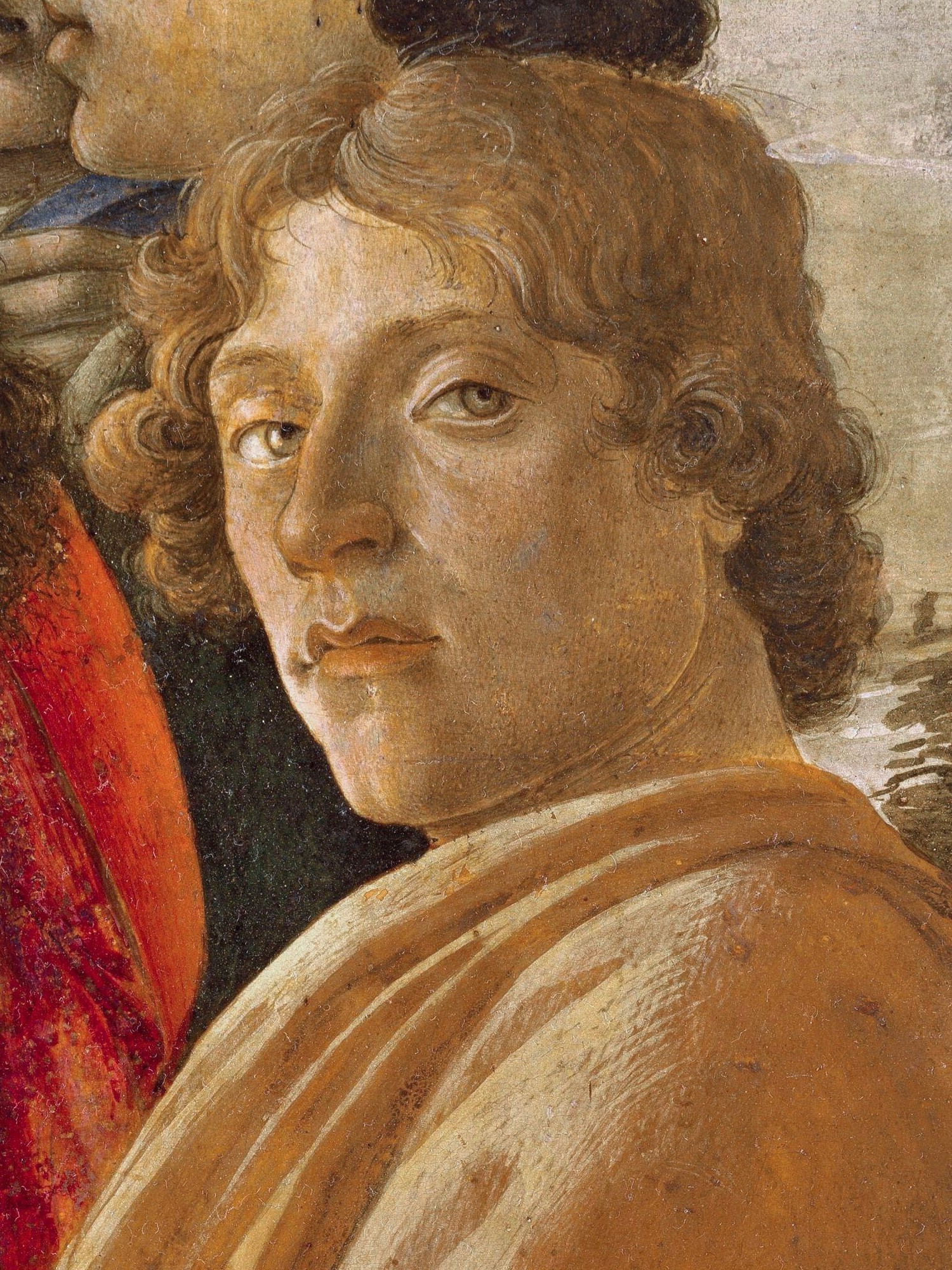
The first fact about Sandro Botticelli in a public catalog is a shop and a wall, not a postcard Venus. Uffizi object pages at https://www.uffizi.it/en/artworks/birth-of-venus (opens in a new tab) and https://www.uffizi.it/opere/botticelli-primavera (opens in a new tab) date the two large myths. The National Gallery artist page at https://www.nationalgallery.org.uk/artists/sandro-botticelli (opens in a new tab) and the Mystic Nativity at https://www.nationalgallery.org.uk/paintings/sandro-botticelli-the-mystic-nativity (opens in a new tab) carry the 1500 inscription. Met Heilbrunn at https://www.metmuseum.org/toah/hd/bott/hd_bott.htm (opens in a new tab) and Treccani at https://www.treccani.it/enciclopedia/alessandro-filipepi-detto-botticelli/ (opens in a new tab) are independent lives. Vatican Museums Sistine pages at https://www.museivaticani.va/content/museivaticani/en/collezioni/musei/cappella-sistina.html (opens in a new tab) hold the 1481–82 narrative frescoes. Smarthistory essays at https://smarthistory.org/sandro-botticelli-the-birth-of-venus/ (opens in a new tab) and https://smarthistory.org/botticelli-primavera/ (opens in a new tab) are free teaching doors. Britannica at https://www.britannica.com/biography/Sandro-Botticelli (opens in a new tab) is the encyclopedia check. The Otto’s 21 July 1478 payment for painting the Pazzi traitors is a real polarising instrument, with civic context at https://cultura.comune.fi.it/pagina/musei-civici-fiorentini/palazzo-vecchio (opens in a new tab). What the score must not say: that he is proved to have thrown his own mythologies on Savonarola’s pile; that Primavera is a fertility statute; that Sistine lime is Michelangelo’s 1508; that a 1919 Uffizi hang is 1485. Complex contribution is the honest type. Confidence is high on surviving panels, chapel walls, and the 1478 payment heading; medium on iconography and Dante-sheet completeness; low on Vasari’s auto-da-fé. Related people are Lippi father and son, Lorenzo and Giuliano de’ Medici, Dante as illustrated poet, Savonarola as contested influence, and Ghirlandaio as Sistine colleague. Leonardo is not forced as a relation. 1478 paint is not 1485 Venus. 1481 Rome is not 1500 London. 1470-01-01 (offset, driver labour-market-tightness): Botticelli is documented with an independent Florentine workshop including the Fortitude commission — official Uffizi Galleries (https://www.uffizi.it/en (opens in a new tab)); independent Met Heilbrunn — Botticelli (https://www.metmuseum.org/toah/hd/bott/hd_bott.htm (opens in a new tab)). 1478-07-21 (cost, driver political-polarization): The Florentine Eight pay Botticelli for painting the Pazzi conspirators as hanged traitors — official Comune di Firenze — Palazzo Vecchio (https://cultura.comune.fi.it/pagina/musei-civici-fiorentini/palazzo-vecchio (opens in a new tab)); independent Britannica — Sandro Botticelli (https://www.britannica.com/biography/Sandro-Botticelli (opens in a new tab)). 1500-01-01 (offset, driver social-cohesion): The Mystic Nativity is dated 1500 on the panel and carries an apocalyptic Greek inscription — official National Gallery — Botticelli, Mystic Nativity (https://www.nationalgallery.org.uk/paintings/sandro-botticelli-the-mystic-nativity (opens in a new tab)); independent Britannica — Sandro Botticelli (https://www.britannica.com/biography/Sandro-Botticelli (opens in a new tab)). Later Loeb, UNESCO, and encyclopedia pages are evidence, not additional acts. Portrait URL is a Wikimedia upload of a self-portrait type from the Adoration of the Magi; a painted face in a Magi crowd is not a studio photograph. Country is stored as Italy. Role is stored as Florentine painter.

Dispute a fact on this pageNamed here, or represent someone who is? Request a right of reply.