Ebrahim Raisi and the Woman, Life, Freedom Crackdown: Presidential Power and State Accountability
TL;DR
An accountability-focused examination of Ebrahim Raisi's presidency during Iran's 2022 Woman, Life, Freedom uprising, tracing compulsory-veiling enforcement, protest repression, executions, censorship, and international findings without collapsing Iran's institutions into a single office.
By the Factrail desk · Method: how we source and score · Last reviewed
Key graph impact
The article explains graph entities; the causal edges belong to the facts and drivers it links to.
- ArticleEbrahim Raisi and the Woman, Life, Freedom Crackdown: Presidential Power and State Accountability
- mentionsDriverWoman Life Freedom protests in Iran
- strengthensIndicatorHaving a say in government
Strengthens · 45% impact strength
Observed
29.8% of population aged 16-65 years · 8.13 below the normal line (2023)
Worse than normalTwo readings: 30.2% of population aged 16-65 years (2021) and 29.8% of population aged 16-65 years (2023).
20212023 Above normal = better
Article
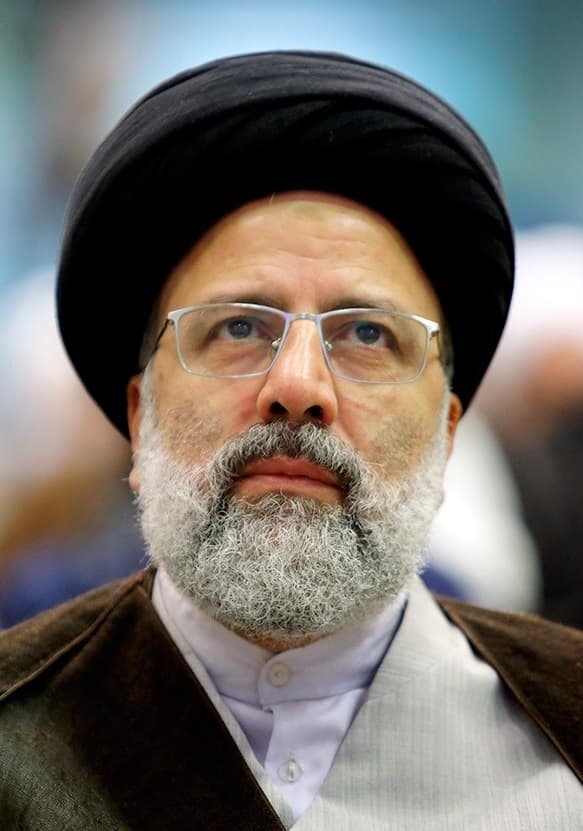
Ebrahim Raisi was president of the Islamic Republic of Iran when the death of Mahsa (Jina) Amini (opens in a new tab) in morality-police custody on 16 September 2022 triggered the nationwide protest movement commonly identified with the slogan “Woman, Life, Freedom.” Any accountability analysis has to distinguish institutions and offices rather than treat the Iranian state as a single actor. Iran's Supreme Leader, Ali Khamenei (opens in a new tab), occupied the apex of the political system; the judiciary, Islamic Revolutionary Guard Corps, Law Enforcement Command, Basij, intelligence bodies and Revolutionary Courts each exercised their own formal or operational powers. Raisi nevertheless held the presidency throughout the uprising and, as Amnesty International notes, chaired the Supreme Council of National Security. His office therefore belongs inside the causal and political chain of the state's response, even where a specific arrest, shooting, prosecution or execution was carried out by another institution.
The immediate trigger was Amini's detention over alleged non-compliance with compulsory hijab rules. The U.S. Treasury's 22 September 2022 designation of Iran's Morality Police stated that Amini had been arrested on 14 September, transferred to a hospital in a coma that day and died two days later; Treasury sanctioned the Morality Police for abuse and violence against Iranian women and violations of the rights of peaceful protesters. Human Rights Watch separately documented that her death sparked demonstrations and reported apparent use of lethal force against protesters in Kurdistan province. These events sit at the origin of Factrail's live Woman, Life, Freedom protests in Iran (opens in a new tab) driver.
Raisi's accountability is not limited to the fact that the uprising happened during his term. Amnesty International's 2024 assessment states that, as president and chair of the Supreme Council of National Security, Raisi praised and oversaw the violent crackdown during the 2022 uprising. Amnesty described unlawful killings of hundreds of protesters and bystanders, injuries to thousands, and torture and other ill-treatment of detainees, including sexual violence. Human Rights Watch's reporting on 2022 likewise concluded that Iranian authorities used excessive and lethal force against protesters and arrested thousands. Its 2024 country report described a continuing pattern of unlawful killings, torture, sexual assault and enforced disappearances, with investigations by rights groups into the reported deaths of approximately 500 protesters, including children.
International findings sharpen the distinction between political criticism and evidence-based legal characterization. The United Nations Independent International Fact-Finding Mission on Iran was created to investigate alleged violations connected to the protests beginning on 16 September 2022, particularly those affecting women and children. In its March 2024 reporting, the Mission concluded that serious violations committed in the context of the protests included acts amounting to crimes against humanity. A September 2024 Mission update said meaningful institutional change and accountability remained elusive and described expanded state repression of women and girls, including surveillance and violence linked to mandatory-hijab enforcement. Those findings concern the conduct of the Iranian state and its agents; they should not be rewritten as a judicial finding that Raisi personally committed every documented act. The accountability case is instead that he led the executive during the repression, occupied a central national-security role, publicly backed the state's response, and presided over executive institutions participating in the enforcement system.
The crackdown also had an information-control dimension. On 6 October 2022, the U.S. Treasury sanctioned senior Iranian government and security officials over both violence against protesters and internet shutdowns. Treasury said the measures followed restrictions on internet access intended to inhibit communication during the protests. A separate Treasury action in September 2023 targeted security officials, prison leadership, censorship actors and state-linked media in connection with continuing repression after Amini's death. This matters because repression was not only physical: restricting communications reduced protesters' ability to organize, document abuses and transmit evidence.
The judicial response became another major accountability channel. Amnesty International reported in November 2022 that Iranian authorities were seeking death sentences in Revolutionary Court proceedings connected to the uprising and characterized the trials it examined as grossly unfair. Mohsen Shekari was executed on 8 December 2022; Amnesty said he had been convicted and sentenced in proceedings that failed basic fair-trial standards. By February 2023, Amnesty reported that at least four young men had been arbitrarily executed in connection with the protests after similarly unfair proceedings. These prosecutions and executions were judicial acts, not presidential decrees, but they formed part of the wider state response during Raisi's presidency and reinforced deterrence through the threat of capital punishment.
Raisi's record on compulsory veiling also predates Amini's death. Amnesty's posthumous accountability assessment states that in 2022 he drove stricter enforcement of compulsory-veiling rules and that, after the uprising, executive bodies including the Interior Ministry participated in intensified persecution of women and girls for defying those rules. This makes the relationship between policy and protest especially important: the uprising was not an isolated public-order crisis but emerged from an enforcement regime that targeted women's autonomy and then expanded into a broader challenge to state repression.
Responsibility must therefore be allocated carefully. Khamenei's position as Supreme Leader, the coercive powers of the IRGC, Basij and police, and the judiciary's control over prosecutions cannot be erased in order to make the presidency appear omnipotent. Conversely, institutional complexity cannot be used to erase presidential responsibility. Raisi was not a passive observer. The documentary record places him at the head of the executive and the Supreme Council of National Security while security bodies violently suppressed demonstrations, communications were restricted, compulsory-veiling enforcement remained a state priority, and protest-related defendants faced capital prosecutions.
Raisi died in a helicopter crash on 19 May 2024. His death ended the possibility of future proceedings against him personally, but it did not resolve the underlying accountability questions for victims, institutions or surviving officials. Amnesty explicitly argued that his death should not deprive victims of truth, justice and reparation. The UN Fact-Finding Mission has likewise emphasized preservation of evidence and accountability for violations linked to the movement.
The political system continued after Raisi. Masoud Pezeshkian (opens in a new tab) later became president, but a change in officeholder does not by itself settle responsibility for the 2022–2024 period. For Factrail, the analytically defensible chain is narrower and stronger: discriminatory compulsory-veiling enforcement and Amini's death helped trigger a nationwide protest movement; state security and judicial institutions answered that movement with documented repression; Raisi held the presidency and a central national-security office during the crackdown; and international investigators and rights organizations documented grave violations while calling for accountability. That chain preserves institutional distinctions without allowing them to become a shield against responsibility.
Sources
- UN Independent International Fact-Finding Mission on Iran, March 2024 report: https://www.ohchr.org/sites/default/files/documents/hrbodies/hrcouncil/sessions-regular/session55/a-hrc-55-67-en.docx (opens in a new tab)
- UN Independent International Fact-Finding Mission on Iran, 13 September 2024 update: https://www.ohchr.org/sites/default/files/documents/hrbodies/hrcouncil/ffmi-iran/FFM-Iran-Update-13-September-2024.pdf (opens in a new tab)
- Amnesty International, 22 May 2024: https://www.amnesty.org/en/latest/news/2024/05/iran-president-raisis-death-must-not-deny-victims-of-his-grim-human-rights-legacy-their-right-to-accountability/ (opens in a new tab)
- Human Rights Watch, World Report 2023: Iran: https://www.hrw.org/world-report/2023/country-chapters/iran (opens in a new tab)
- Human Rights Watch, World Report 2024: Iran: https://www.hrw.org/world-report/2024/country-chapters/iran (opens in a new tab)
- U.S. Treasury, 22 September 2022: https://home.treasury.gov/news/press-releases/jy0969 (opens in a new tab)
- U.S. Treasury, 6 October 2022: https://home.treasury.gov/news/press-releases/jy0994 (opens in a new tab)
- Amnesty International, 16 November 2022: https://www.amnesty.org/en/latest/news/2022/11/iran-chilling-use-of-the-death-penalty-to-further-brutally-quell-popular-uprising/ (opens in a new tab)
- Amnesty International, 8 December 2022: https://www.amnesty.org/en/latest/news/2022/12/iran-horrifying-execution-of-young-protester-exposes-authorities-cruelty-and-risk-of-further-bloodshed/ (opens in a new tab)
Related Factrail pages
- Ebrahim Raisi — person dossier
- Ali Khamenei — person dossier
- Mahsa Amini — person dossier
- Masoud Pezeshkian — person dossier
- Woman, Life, Freedom protests in Iran — driver
Evidence
The sources this article cites, claim-bearing material first.
- UN OHCHR — Fact-Finding Mission on Iran · Report of the Independent International Fact-Finding Mission on the Islamic Republic of Iran
- UN OHCHR — Fact-Finding Mission on Iran · Update on women and girls in the context of the September 2022 protests and Woman, Life, Freedom movement
- Amnesty International · Iran: President Raisi's death must not deny victims of his grim human rights legacy their right to accountability
- Human Rights Watch · World Report 2023: Iran
- Human Rights Watch · World Report 2024: Iran
- U.S. Department of the Treasury · Treasury Sanctions Iran's Morality Police and Senior Security Officials for Violence Against Protesters and the Death of Mahsa Amini
- U.S. Department of the Treasury · Treasury Sanctions Iranian Leaders Responsible for Internet Shutdown and Violent Crackdown on Peaceful Protests
- Amnesty International · Iran: Chilling use of the death penalty to further brutally quell popular uprising
More analysis
Ranked by shared facts, drivers and people — never by publication date alone.
Articles12
- Ali Khamenei's Judiciary Hanged Two More January Protesters - Seven Executions Now Trace Back to One Isfahan CaseShares the driver: Woman Life Freedom protests in Iran · 5 October 2026
- Mohsen Paknejad leaves Iran's oil ministry while ordinary Iranians queue for fuel.Shares the driver: Woman Life Freedom protests in Iran · 5 October 2026
- Masoud Pezeshkian Replaced His Oil Minister. Iranians Still Carry the Cost of the Fuel Crisis.Also covers Ali Khamenei · 5 October 2026
- Hormuz is now leverage: Tehran makes civilian shipping wait on seven political conditionsAlso covers Ali Khamenei · 4 October 2026