Ukraine's refinery strategy turns Russia's winter campaign into an energy accountability ledger
TL;DR
Ukraine's decision to expand strikes against Russian oil infrastructure is not simply a military tactic; it is an escalation in the accounting battle over how two states impose costs through energy systems. Kyiv says the move follows intelligence assessments that Russia prepared a broader winter campaign targeting civilian and energy infrastructure.
By the Factrail desk · Method: how we source and score · Last reviewed
Key graph impact
The article explains graph entities; the causal edges belong to the facts and drivers it links to.
- ArticleUkraine's refinery strategy turns Russia's winter campaign into an energy accountability ledger
- mentionsDriverUkraine war (Crimea–Donbas–2022+)
- strengthensIndicators (5)Global deaths from organized violence (UCDP)
Strengthens · 85% impact strength
Observed
245k deaths per year · 195k above the normal line (2025)
Worse than normalAbove normal = worse
- Worse
Strengthens · 80% impact strength
Observed
69M people (stock, end-of-year) · 28M above the normal line (2025)
Worse than normal3 readings, 2023–2025: rose from 68M people (stock, end-of-year) to 69M people (stock, end-of-year).
Above normal = worse · Lag ~30 d
Strengthens · 40% impact strength
Observed
11% of primary-school-age children · 11 above the normal line (2023)
Worse than normalAbove normal = worse
Weakens · 40% impact strength
Observed
73.7% · 1.92 above the normal line (2024)
Better than normal7 readings, 2018–2024: rose from 69.4% to 73.7%.
Above normal = better
Article
Ukraine's decision to expand strikes against Russian oil infrastructure is not simply a military tactic; it is an escalation in the accounting battle over how two states impose costs through energy systems.
Kyiv says the move follows intelligence assessments that Russia prepared a broader winter campaign targeting civilian and energy infrastructure. The strategic logic is reciprocal pressure: if Moscow attempts to use infrastructure damage to weaken Ukrainian society during winter, Ukraine seeks to reduce the financial machinery that sustains Russia's military operations.
The accountability question is not whether energy infrastructure matters — it clearly does — but who carries the civilian burden when infrastructure becomes a battlefield instrument. Russia's use of strikes against Ukrainian systems has repeatedly placed civilians in the position of absorbing strategic pressure. Ukraine's response creates a parallel risk: economic disruption can also spread beyond military targets.
The central Factrail chain is therefore not a simple military scorecard. It is a driver analysis: wartime infrastructure targeting increases instability, increases civilian vulnerability, and creates incentives for further escalation.
Political responsibility also extends beyond Moscow and Kyiv. Western governments have pressured Ukraine at various points over energy strikes because of global market concerns. That creates a second accountability layer: how external actors balance energy stability, sanctions pressure, and the military reality facing Ukraine.
The relevant welfare ledger is not only battlefield territory. It includes winter security, energy resilience, civilian protection, and the long-term incentives created when infrastructure becomes a strategic weapon.
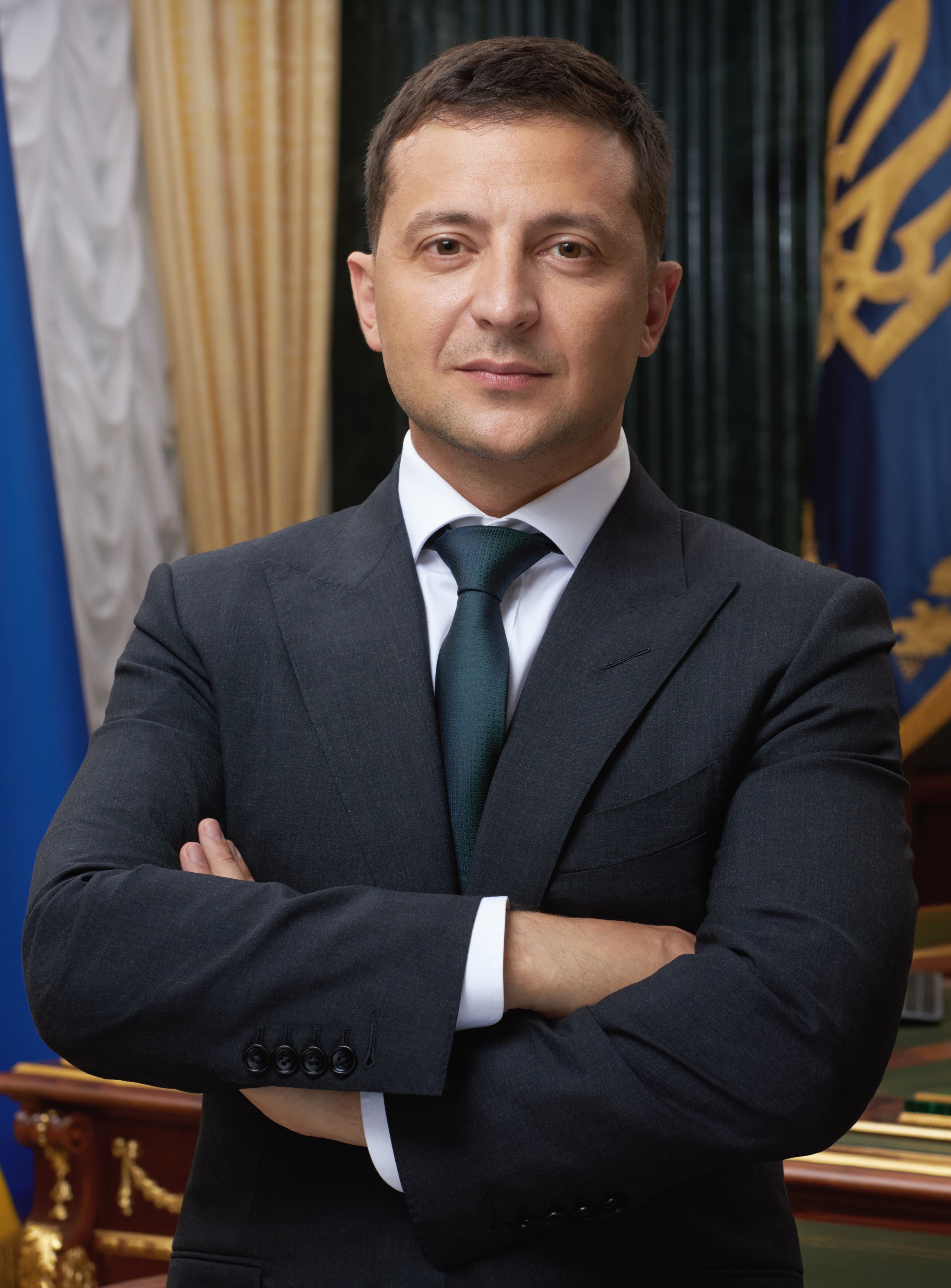
The accountability ledger is not abstract. When Volodymyr Zelenskyy (opens in a new tab) expands refinery strikes and Vladimir Putin (opens in a new tab) continues winter pressure on civilian grids, each side is choosing which population absorbs scarcity. The Ukraine war (opens in a new tab) already embeds that trade-off; energy targeting merely makes the civilian cost curve explicit.
Factrail's reading therefore stays criticism-first: score political actors by the welfare outcomes their doctrine produces — heat, fuel, hospital power, and market disruption — not by the elegance of reciprocal deterrence language. Links to 2022 full-scale invasion of Ukraine (opens in a new tab) keep the causal origin visible while today's escalation choices remain attributable to living decision-makers.
The operational test remains unchanged: publish the decision chain, measure civilian harm, and refuse narratives that treat population costs as incidental footnotes to elite strategy. Donald Trump (opens in a new tab) and other Western principals remain part of the secondary accountability layer whenever market-stability pressure constrains Ukrainian energy strikes while Russian winter doctrine continues. That is not moral equivalence; it is a map of who can change incentives. The civilian scoreboard — hospital power, heating seasons, fuel queues — remains the only honest measure of whether "reciprocal deterrence" is strategy or euphemism.
Evidence
The sources this article cites, claim-bearing material first.
- BelTA / Presidency of Belarus · BelTA — Lukashenko confirms missile launch from Belarus at Ukraine, 27 February 2022
More analysis
Ranked by shared facts, drivers and people — never by publication date alone.
Articles12
- Ukraine's Lyman counteroffensive tests whether battlefield innovation can break Putin's political calendarShares the driver: Ukraine war (Crimea–Donbas–2022+) · 4 October 2026
- Merz arrives in Kyiv as bridge strikes expose Europe's air-defense responsibility gapShares the driver: Ukraine war (Crimea–Donbas–2022+) · 4 October 2026
- When a Peace Deal Has an Oil Deal Inside ItShares the driver: Ukraine war (Crimea–Donbas–2022+) · 4 October 2026
- Kyiv’s Bridges Are Becoming a Winter Pressure PointShares the driver: Ukraine war (Crimea–Donbas–2022+) · 4 October 2026